
- 29/03/2024
- Category: House Cleaning
- Author: Kris Foster
- 448
Did you know that the cleaning industry produces over 6.5 million tons of waste annually? That’s equivalent to the weight of 1.3 million elephants! Traditional cleaning methods not only contribute to environmental pollution but also pose health risks due to the use of harmful chemicals.
In today’s society, there is a growing interest in sustainable living and eco-friendly practices. As tenants, it’s essential to adopt zero-waste cleaning strategies to minimize our impact on the planet and create healthier living environments.
In order to effectively implement a zero-waste cleaning strategy, it’s important to start with a well-thought-out plan. By taking the time to assess and inventory your cleaning materials, you can identify areas where waste can be reduced and make smarter choices for a more sustainable cleaning routine.
Begin by gathering all of your cleaning supplies and conducting a thorough assessment. Examine each item to determine its eco-friendliness and potential for waste reduction. Consider the following questions:
By conducting this assessment, you can identify opportunities to minimize waste and make informed decisions about the products you choose to keep or replace.
One of the most effective ways to reduce waste in your cleaning routine is to make your own cleaning solutions using simple, natural ingredients. Homemade cleaning solutions not only eliminate the need for single-use packaging but also provide a safe and non-toxic alternative to chemical-laden products.
To create your own DIY cleaning solutions, consider using ingredients such as vinegar, baking soda, and lemon. These common household items have powerful cleaning properties and can be combined in various ways to tackle different cleaning tasks.
Here’s a recipe for an all-purpose cleaner:
- 1 part white vinegar
- 1 part water
- A few drops of essential oil (optional)
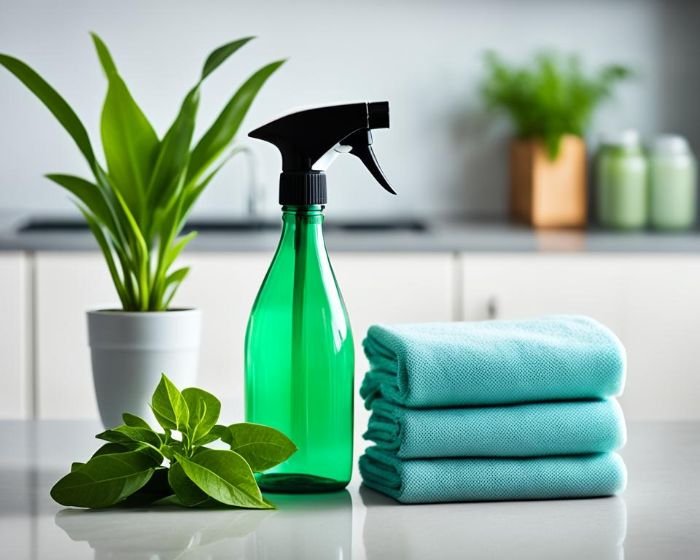
Mix the ingredients in a spray bottle and use it to clean surfaces throughout your home. Not only is this solution effective, but it’s also safe for the environment and your health.
By assessing your materials and incorporating homemade cleaning solutions into your routine, you can take significant steps towards achieving a zero-waste cleaning strategy. In the next section, we will explore sustainable cleaning techniques that further reduce waste and promote eco-friendly practices.
In order to reduce waste and promote eco-friendly cleaning practices, it is essential to adopt sustainable cleaning techniques. These techniques not only help protect the environment but also contribute to a healthier living space. By minimizing the use of cleaning products and opting for reusable tools, you can make a significant difference in waste reduction.
Efficiency is key when it comes to sustainable cleaning. By focusing on efficient cleaning methods, you can minimize the amount of cleaning products used, resulting in less waste. Here are some tips to help you clean efficiently:
Using reusable cleaning tools not only reduces waste but also saves money in the long run. Here are some examples of reusable cleaning tools:
Furthermore, choosing biodegradable cleaning products is crucial for sustainable cleaning. Look for products that are made from plant-based ingredients and have minimal impact on the environment. These products break down naturally and do not contribute to pollution or harm ecosystems.

Now, we will discuss the specific focus areas for end of tenancy cleaning. These are the key areas that require extra attention to ensure a thorough clean and leave the property in pristine condition for the next tenants. By focusing on these areas, you can achieve a high standard of cleanliness while also adopting eco-friendly cleaning practices.
The kitchen is one of the most important areas to clean thoroughly during an end of tenancy cleaning. It is crucial to remove any grease, grime, and stains to ensure a hygienic and inviting space for the new occupants. Here are some eco-friendly kitchen cleaning tips:
The bathroom is another important area that requires special attention when it comes to end of tenancy cleaning. Here are some natural and effective bathroom cleaning methods:
By following these eco-friendly cleaning methods, you can achieve a sparkling clean kitchen and bathroom without resorting to harsh chemicals. These natural cleaning solutions are not only better for the environment but also safer for you and the next tenants. Remember to choose eco-friendly cleaning products that are specifically designed for these areas to ensure optimal results.
In addition to adopting zero-waste cleaning practices, there are other ways to minimize environmental impact and contribute to a sustainable lifestyle. This section focuses on waste reduction beyond cleaning by exploring options for donating and repurposing unwanted items, as well as eco-friendly disposal methods for hazardous waste.
One effective way to reduce waste is by donating unwanted items that are still in good condition. Instead of throwing them away, consider giving them to local charities, thrift stores, or community organizations. These items can find new homes and serve their purpose elsewhere, reducing the need for new production and minimizing landfill waste.
Another way to repurpose household items is by giving them a new life. Get creative and find alternative uses for items that would otherwise be discarded. For example, an old ladder can be transformed into a decorative bookshelf, or glass jars can be used as storage containers for small items. By repurposing items, you not only reduce waste but also add a unique touch to your living space.

When it comes to hazardous waste disposal, it is crucial to handle these materials responsibly to protect the environment and human health. Hazardous waste includes items such as batteries, electronics, and chemicals, which can be harmful if not disposed of correctly.
To dispose of batteries and electronics, many retailers offer recycling programs. Check with your local council or waste management facility to find out the locations where you can drop off these items securely. Additionally, many communities organize hazardous waste collection events to ensure proper disposal.
Chemicals, such as cleaning agents, pesticides, and automotive fluids, should never be poured down the drain or thrown in the trash. Contact your local council or waste management facility for guidance on safe disposal options. They may provide drop-off sites or specific collection days for hazardous materials.
By following these waste reduction tips, including donating unwanted items, repurposing household items, and utilizing eco-friendly disposal methods for hazardous waste, you can make a positive impact on the environment while promoting sustainability in your daily life.
By embracing sustainable cleaning practices, tenants can play a vital role in creating an eco-friendly tenancy and making a greener move. Adopting zero-waste cleaning strategies not only benefits the environment but also enhances tenants’ well-being.
One of the key advantages of embracing sustainable cleaning is the positive impact it has on the environment. By reducing waste and using eco-friendly cleaning products, tenants can significantly decrease their carbon footprint. This proactive approach contributes to a cleaner and healthier future for all, where resources are conserved and pollution is minimized.
Furthermore, eco-friendly cleaning practices promote a healthier living environment for tenants. By using natural cleaning solutions and reducing the use of harsh chemicals, tenants can create a home that is free from harmful toxins. This not only enhances indoor air quality but also helps safeguard the health of occupants, especially those with allergies or respiratory conditions.
To make a greener move, it is essential for tenants to continue making sustainable choices in their daily lives. This can include using reusable cleaning tools, sourcing second-hand items, and practicing responsible waste management. By adopting these habits, tenants can contribute to a more sustainable future and inspire others to follow suit.
Embracing a greener move goes beyond just cleaning; it is a commitment to adopting a sustainable lifestyle. By prioritizing eco-friendly practices and making conscious choices, tenants can leave a positive environmental legacy. Let us all join hands and create a greener, cleaner, and healthier world for ourselves and future generations.
Zero-waste cleaning is an approach that aims to minimize waste, particularly in cleaning routines, by adopting sustainable practices and using eco-friendly cleaning products.
Zero-waste cleaning is important in tenancies because it helps reduce environmental impact and promotes sustainable living. By minimizing waste and using eco-friendly products, tenants can contribute to a cleaner and healthier living environment for themselves and future generations.
Traditional cleaning methods often involve the use of harsh chemicals that can be harmful to the environment. These chemicals can pollute water sources and contribute to air pollution. Additionally, the production and disposal of cleaning products can also have a negative impact on the environment due to the use of non-sustainable materials.
Adopting zero-waste cleaning practices can have several benefits. In addition to reducing environmental impact, it can also promote a healthier living environment by minimizing exposure to harmful chemicals. Furthermore, zero-waste cleaning can also save money in the long run by reducing the need for purchasing disposable cleaning products.
You can start developing a zero-waste cleaning strategy by assessing your current cleaning materials and inventory. Determine which products can be repurposed or replaced with more sustainable alternatives. You can also explore homemade cleaning solutions using natural ingredients like vinegar, baking soda, and lemon.
Using efficient cleaning methods like spot cleaning and focused cleaning can help minimize the use of cleaning products and reduce waste. It’s also helpful to prioritize cleaning tasks to avoid unnecessary repetition. Additionally, incorporating reusable tools such as microfiber cloths, mop pads, and brushes can also contribute to waste reduction.
Yes, there are biodegradable and environmentally friendly cleaning products available in the market. These products are made from sustainable materials and are designed to minimize environmental impact. Look for labels or certifications that indicate the product’s eco-friendly properties.
To dispose of hazardous waste like batteries, electronics, and chemicals, it’s important to follow proper guidelines. Many communities have designated drop-off points for hazardous waste disposal. Check with your local authorities or waste management facilities for information on how to dispose of these items responsibly.


