
- 14/10/2025
- Category: Expert Tips
- Author: Kristian Yordanov
- 63

Ever thought about how a cleaning schedule could boost your health and your landlord’s trust? For tenants, creating a cleaning plan is crucial. It keeps your place clean, avoids pests, and saves your deposit. A regular cleaning routine makes you accountable, lowers stress, and clarifies who does what, whether you’re alone or with flatmates.
Effective planning is vital for a fresh start or a smooth end to your tenancy. It ensures you leave on good terms with your landlord.
Understanding the dynamics of cleaning is crucial for its success. Recognising the potential for cleaning interruptions is key for tenants to create an optimal environment for professional cleaners. Their efficiency heavily depends on uninterrupted work, which can be disrupted by tenant presence.
Remaining on-site during cleaning can unintentionally cause delays. Movement around the space distracts professional cleaners, making it hard for them to focus. Such interruptions not only extend the cleaning time but also impact the cleaning quality. A clean, uninterrupted space is vital for achieving top-notch results.
Professional cleaners are skilled at managing their time and resources effectively. When tenants leave, these experts can fully utilise their skills and equipment, enhancing efficiency and ensuring a detailed cleaning. Uninterrupted work allows them to meticulously attend to every detail, avoiding the need for additional visits. This approach not only streamlines the cleaning schedule but also potentially lowers costs due to reduced delays.
Timing is crucial when planning a cleaning schedule. Ensuring utility access is key to having water and electricity during cleaning. This is vital for a successful outcome. Scheduling cleaning when utilities are available boosts its effectiveness.
It’s wise to check utility access timing beforehand. Cleaning service providers face issues without operational utilities. Aligning the schedule with utility availability streamlines the process, avoiding delays.
Aligning the cleaning schedule with the move-out date is essential for a smooth transition. A thorough clean before inspections maintains the property’s condition, aiding in deposit return. An inventory check confirms the cleanliness standards. Planning ahead allows for adjustments, simplifying the process for all.
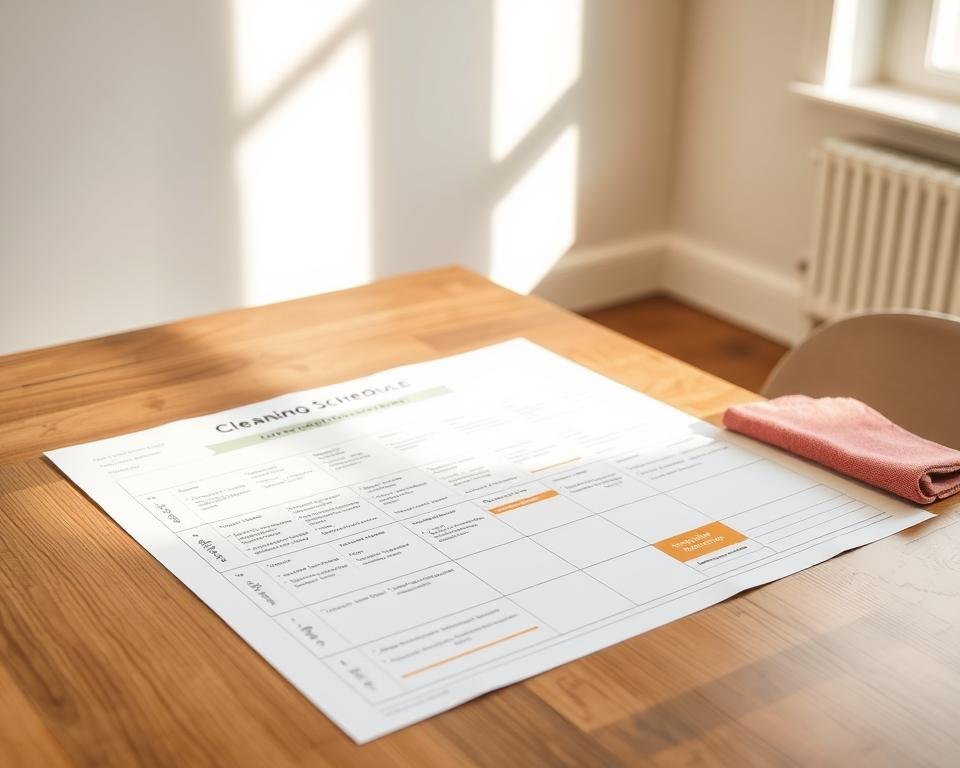
Effective cleaning day management hinges on a well-planned schedule. Tenants must align their errands, packing, or moving with the cleaning schedule. This strategy prevents complications and enables cleaners to operate at peak efficiency. It’s essential to coordinate your activities with the cleaners’ availability to maintain a seamless cleaning zone.
By scheduling errands and packing for the early or late hours, you ensure the cleaning process remains uninterrupted. This thoughtful planning reduces distractions for the cleaning team and allows you to focus on final preparations. Prioritise tasks that need to be completed before the cleaners arrive. Effective day management boosts your productivity and the quality of the cleaning service.
It’s wise to keep pets and children out of the cleaning zone on the designated day. Their presence can disrupt the cleaners’ work, potentially causing delays. Arrange for their care during this time to ensure their safety and the cleaners’ focus. A distraction-free environment guarantees efficient cleaning, leading to superior results.
Effective communication among flatmates is key to a smooth cleaning process. Setting clear expectations for the cleaning schedule promotes cooperation and avoids misunderstandings. When everyone knows their role, managing shared spaces becomes easier and more harmonious.
It’s crucial to clarify cleaning expectations among flatmates. Discussing the cleaning schedule helps everyone plan ahead. This approach minimises disruptions, allowing cleaners to work efficiently.
Dividing cleaning tasks among flatmates before the cleaning day is wise. Assigning specific duties to each person prevents last-minute overwhelm. A well-planned approach reduces anxiety, making the cleaning process more effective and stress-free.

When planning for cleaning, it’s crucial to factor in unexpected delays. A detailed property assessment might uncover the need for a deep clean, extending the task’s duration. Properties with heavy dirt or unique cleaning needs often require extra time, affecting your initial schedule.
Properties needing deep cleaning may take longer than expected. It’s key to give cleaners enough time to clean all areas properly. Rushing can result in poor cleaning, so tenants must be flexible and manage their expectations.
Booking final inspections right after cleaning can lead to hasty assessments. This leaves little time for any missed spots. Tenants should schedule removals and inspections with a gap to ensure cleanliness standards are met. This allows for any final adjustments, easing the pressure of coordinating tasks on moving day.

Preparing the environment is crucial for an effective cleaning session. Tenants can significantly impact the outcome by ensuring the space for cleaners is organised and accessible. This approach not only facilitates a smoother cleaning process but also shows appreciation for the professionals handling the task.
To ensure a seamless cleaning experience, clearing walkways and surfaces of any items is advisable. This preparation creates an environment conducive to the cleaners’ work. It allows them to move freely and work efficiently. Clear surfaces are essential for their ability to clean each area thoroughly without interruptions.
Packing personal belongings before the cleaners arrive is a proactive step that boosts efficiency. By doing so, tenants can clear space and reduce potential hazards during cleaning. This practice protects personal items from damage and enables cleaners to focus on a detailed cleaning effort without distractions.
After the cleaning team finishes, being ready for a quick walkthrough is crucial. It ensures the job is up to standard. This final check lets tenants identify any missed spots and fix them right away. It protects the property’s state and the tenant’s deposit.
Being proactive in these checks prevents unexpected issues during official inspections. It also keeps the property clean and inviting for future tenants.
If some areas seem not cleaned well, tenants should give constructive feedback to cleaners. This feedback promotes accountability and high standards. If needed, ask for a second clean to meet your expectations. This ensures the property is ready for the next tenant.
These final checks build a good relationship between tenants and cleaners. This teamwork ensures the job is done right and fosters a caring environment. By doing this walkthrough, you safeguard your deposit and help keep the living space clean for others.


