
- 24/02/2024
- Category: House Cleaning, How To
- Author: Kris Foster
- 476
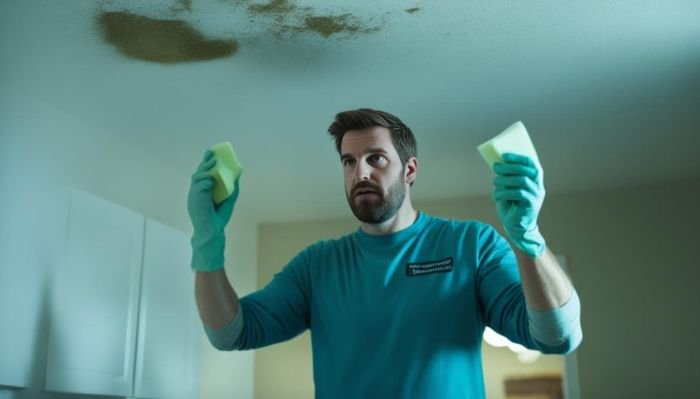
Did you know that 56% of deposit disputes are due to inadequate end of tenancy cleaning, with unclean walls and ceilings being a frequent pain point? This surprising fact highlights the need for a comprehensive DIY guide on end of tenancy wall and ceiling cleaning, ensuring you hold onto that all-important deposit. As you gear up for your move, understanding the intricacies of wall and ceiling cleaning hacks becomes crucial. From grappling with stubborn stains to handling dust accumulation, our DIY end of tenancy cleaning tips will guide you towards leaving your soon-to-be-former dwelling squeaky clean!
End of tenancy cleaning typically involves a thorough clean-up of the property, ensuring that it’s returned in the same state as it was received. Notably, the walls and ceilings often end up being the most neglected surfaces. Whether it’s stubborn stains, grime, cobwebs, or dust build-ups, these features demand close attention, just like the other areas of the house. As the adage goes, proper planning prevents poor performance. Thus, before delving into the cleaning process, one must be well-prepared and have a clear plan in place. This includes assessing the existing conditions of the walls and ceilings and assembling the right cleaning tools and solutions.
To achieve a comprehensive clean, begin by examining the walls and ceilings for any problem areas. This could be anything from scuff marks and water stains to areas with accumulated dust. Such an assessment will guide your cleaning process, helping you tailor your approach to each unique challenge. Moreover, comparing the current state of the walls and ceilings with the condition at the start of your tenancy, as documented during the initial inspections, is crucial. This can serve as a benchmark for the level of cleaning required, ensuring the returned state aligns with your landlord’s expectations.
Your DIY tenancy cleaning checklist should feature a comprehensive array of cleaning products and tools to effectively combat the identified problems. This could range from dry cleaning sponges and paint-friendly cleaning solutions for dealing with marks and grime, to bleach or hydrogen peroxide for combating mould and mildew. Gentler cleaning agents like dish soap can come in handy for general surface wash-downs.
Besides this, make use of other necessary equipment like ladders or step stools for reaching high areas, protective gloves for handling cleaning chemicals, and dust masks for avoiding inhalation of dust or cleaning fumes. Remember, safety is paramount when handling home cleaning tasks, so ensuring good ventilation during the cleaning process is equally vital.
Equipped with these crucial tenancy wall cleaning tips and proactive measures, you are now ready to embark on your DIY cleaning journey, ensuring a seamless end-of-tenancy handover of a pristine property.
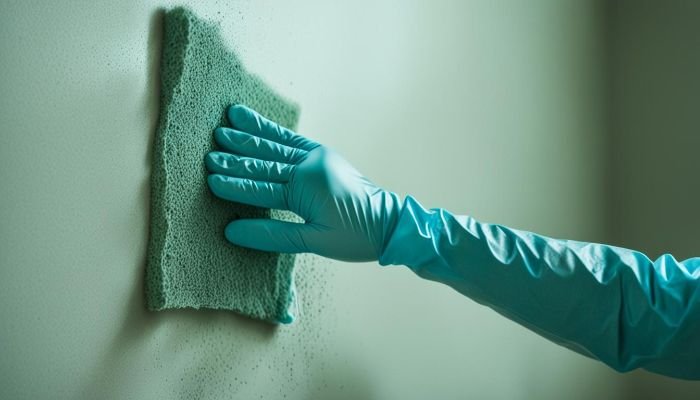
Before handing in your keys and receiving your deposit, crafting an impeccable wall and ceiling are key. Guiding you on your tenancy cleaning journey, we have compiled a step-by-step guide on wall and ceiling cleaning hacks that will leave no wall untouched, and ceilings as spotless as the day you moved in.
Total Time: 2 hours
Instructions: Before beginning, ensure the room is ready for cleaning by moving furniture away from the walls and laying down towels or sheets to catch any drips.
Tools and Supplies: Furniture sliders, towels or sheets.
Instructions: Using a dry, clean cloth or a feather duster, gently remove loose dust particles and cobwebs from walls and ceilings, paying special attention to corners, nooks, skirting boards, and light fixtures.
Tools and Supplies: Dry, clean cloth, feather duster.
Instructions: Mix a homemade cleaning solution of half vinegar or baking soda to treat most marks. For tougher stains, such as crayon, nicotine, or coffee, consider using bleach or toothpaste. Always spot test your solution on a small, inconspicuous area first.
Tools and Supplies: Homemade cleaning solution, bleach, toothpaste, cloth.
Instructions: Create a mixture of gentle dish soap and warm water. Using a soft sponge or cloth, wash the walls thoroughly, rinsing the cloth frequently. After washing, dry the walls immediately with a dry towel or use a fan to prevent water stains or damage.
Tools and Supplies: Dish soap, warm water, soft sponge, dry towel, fan.
Ensure thorough drying to prevent moisture damage and inspect your work for any missed spots or areas that may need a touch-up.
By following this detailed guide, your walls and ceilings will be spotless, ensuring a positive impression for your end-of-tenancy inspection.
Supply:
Tools:
When it comes to end of tenancy cleaning, ceilings can often present a unique challenge due to their height and the scope for potential safety hazards. However, don’t let that intimidate you. Here, we provide some insightful DIY tips to transform this tiresome task into a simple, manageable one.

Maintaining a secure environment while cleaning is paramount. Utilise an appropriate ladder ensuring it is sturdy and positioned correctly. Additionally, donning protective eyewear when dealing with harsh cleaning chemicals, such as bleach, is crucial to prevent any possible harm to your eyes.
Over time, dust and cobwebs collect on your ceilings. Tackle this dust mite with a vacuum cleaner equipped with a soft-bristled brush. For cobwebs, a microfibre cloth attached to a long-armed, telescopic pole is the perfect tool, reaching even the most inaccessible corners.
Water stains on the ceiling can be an eyesore and are often more noticeable due to their typical overhead location. A mixture of dishwashing liquid and bleach applied cautiously with a sponge usually does the trick. Gloves are a necessity in this operation to protect your hands from the strong cleaning mixture. Always ensure that the room is well-ventilated throughout this process. If the ceiling presents profound water damage or mould issues, it may be prudent to seek professional advice or assistance.
To summarize, effective ceiling cleaning strategies are an essential part of end of tenancy wall and ceiling cleaning DIY efforts. Not only does it ensure you’re leaving the property in the best possible condition, but DIY wall and ceiling cleaning can also save you significant sums in professional cleaning fees.
Between the hustle and bustle of everyday life, ensuring that your rented space remains in optimal condition significantly eases the process of your end-of-tenancy clean-up. Encompassing the best tenancy wall cleaning tips and wall and ceiling cleaning hacks, this section of our diy tenancy cleaning checklist focuses on simple, effective measures you can integrate into your regular routine to maintain your living environment and increase the lifespan of your wall and ceilings’ cleanliness.
Proactive maintenance is key — small routine actions can result in significant impacts.
How often do you clean your walls and ceilings? When thinking about house cleaning, we often overlook these areas. However, incorporating regular dusting and spot cleaning into your personal household schedule can significantly improve the cleanliness of walls and ceilings. Using microfibre cloths, you can easily remove surface dust and thus prevent grime build-up. Remember to limit the water usage to prevent potential wall damage.
Preventive strategies go a long way in keeping the walls and ceilings immaculate. Here are a few measures to consider:
By following these practical tips, you can significantly reduce the frequency of deep cleaning sessions. A proactive approach to maintaining the cleanliness of walls and ceilings ensures a considerably more straightforward end-of-tenancy cleaning process.
An all-encompassing DIY end of tenancy cleaning goes beyond merely adhering to standards; it embraces the noble endeavour of returning the living space to its original grandeur for the forthcoming tenants. This entails eradicating all signs of prior occupancy, be that stubborn stains, pervasive dust, or personal touches such as wall decals or additional coats of paint.
Recording this process in detail serves as a potent weapon to validate your hard work, should any disputes about the property’s condition ensue. A comprehensive DIY tenancy cleaning checklist could prove incredibly useful in this regard, as you methodically clean and document your endeavours.
However, the magnitude of the task might overwhelm some, and in such cases, professional assistance may be sought. Many expert cleaning services specialise in end-of-tenancy cleaning, ensuring the property is in pristine condition and increasing the probability of getting your deposit back. The paramount aim remains a smooth transition that leaves both parties satisfied and establishes a lasting positive impression.
Utilise a variety of DIY techniques including vinegar mixes for stains, steam cleaning for tougher areas, and routine dusting. Using proper tools such as vacuum cleaners with soft brushes and sponges can also make the job easier. Remember to prioritise safety and ensure the area you’re working in is well ventilated.
Initial inspections involve checking for any spots with accumulated dust, water stains, or scuff marks. This can guide your cleaning process and help tailor your approach to tackle these issues. Your property’s original condition can also provide a benchmark for the level of cleaning required.
A well-stocked arsenal of cleaning materials can make the process more efficient. These include dry cleaning sponges, ammonia, hydrogen peroxide for mould and mildew control, and dish soap for gentler clean-ups. Don’t forget protective gear and ensure good ventilation during the cleaning process.
Start with dusting and dry cleaning to remove loose particles. Use vinegar or baking soda for visible stains, or turn to a commercial all-purpose cleaner. For tougher stains like crayon or nicotine marks, methods like the use of vinegar, toothpaste, or bleach might be necessary. Remember to dry the walls properly after cleaning to prevent moisture damage.
It’s important to maintain safety when cleaning ceilings. Use appropriate ladders and protective eyewear, especially when dealing with harsh chemicals. A vacuum cleaner with a soft brush or a microfibre cloth attached to a telescopic pole can help remove dust and cobwebs. A mix of dishwashing liquid and bleach can deal with water stains, but ensure the room is well ventilated throughout the process.
Incorporate routine cleaning into your household schedule, for example, regular dusting and spot cleaning. Preventive measures like a no-smoking policy, using washable paint, or teaching children to avoid doodling on walls can also decrease the necessity for deep cleans. Applying a fresh coat of paint or sealant that’s easy to clean can be a great help too.
Thorough end of tenancy cleaning is about restoring the property for the next occupants. Remove every trace of occupancy including stains, dust, and personal modifications, documenting the process to prove your efforts in case of disputes. Engaging professional cleaners specializing in end-of-tenancy cleaning can also ensure you fulfill your end of lease obligations efficiently, securing the return of your deposit.


