
- 01/04/2024
- Category: House Cleaning
- Author: Kris Foster
- 480

When it comes to cleaning your home, you might be surprised to learn that one of the most powerful and effective cleaning agents is hiding in your kitchen pantry. Yes, that’s right – vinegar! This humble ingredient, commonly used for cooking and preserving food, is also a natural cleaning powerhouse that can tackle a wide range of dirt, grime, and stains. But how exactly does vinegar work its magic, and why is it considered an eco-friendly alternative to conventional cleaners?
In this article, we will delve into the science behind vinegar’s cleaning abilities and explore its many uses in household cleaning. From sparkling windows to banishing bathroom grime, vinegar has a place in every corner of your home. We will also uncover how vinegar can contribute to kitchen hygiene and even enhance your laundry routine. Finally, we’ll share some professional tips and advice on using vinegar effectively for routine cleaning. Prepare to be amazed by the power of this natural cleaning solution!
When it comes to eco-friendly cleaning, vinegar is a true powerhouse. Its natural cleaning properties have made it a popular choice for those seeking an effective and environmentally friendly solution. But what makes vinegar such a great cleaning agent? Let’s dive into the science behind vinegar’s cleaning abilities and explore how it pairs perfectly with London’s water for effective cleaning.
Vinegar’s cleaning prowess lies in its acidic nature, specifically the acetic acid it contains. Acetic acid is known for its ability to break down dirt, grease, and grime, making it a superb natural cleaner. When applied to surfaces, vinegar’s acidity not only helps to remove stubborn stains but also acts as a disinfectant, effectively killing common germs like salmonella and E. coli.
By harnessing the power of acetic acid, vinegar offers a safe and non-toxic alternative to conventional cleaning products. It is a renewable, biodegradable, and hypoallergenic option that helps protect both our health and the environment.
London’s water is notorious for its hardness, which can result in mineral deposits and limescale buildup on various surfaces. Fortunately, vinegar’s acidity makes it an ideal cleaning solution to combat these issues. When combined with London water, vinegar creates a powerful duo that effortlessly tackles mineral deposits and leaves surfaces sparkling clean.
Whether you’re cleaning your kitchen countertops, bathroom fixtures, or even windows, the combination of vinegar and London water is the perfect match for a thorough and effective clean. Say goodbye to limescale and hello to a sparkling home.

Vinegar is not just a versatile cleaning solution for general surface cleaning; it has many other incredible uses around the house. Let’s explore two specific areas where vinegar can work wonders: windows and bathrooms.
When it comes to achieving streak-free and sparkling windows, vinegar is a game-changer. Its acidity helps dissolve dirt, grime, and smudges, leaving your windows crystal clear. Creating a simple vinegar and water solution is all you need to bring back the shine.
“Vinegar is my go-to solution for cleaning windows. It’s inexpensive and effective. Plus, it’s a natural alternative to chemical-based cleaners.” – Jane S., cleaning enthusiast.
To create the vinegar solution, mix equal parts of distilled vinegar and water in a spray bottle. Then, spray the solution onto the windows and wipe them clean using a microfiber cloth or a squeegee. The result? Spotless, streak-free windows that let the sunshine in.
Bathrooms can be challenging to clean, but vinegar can effectively banish grime and soap scum, leaving your bathroom sparkling clean. Vinegar’s acidity helps break down tough stains and build-ups, making it an excellent choice for various surfaces in the bathroom.
With vinegar as your secret weapon, maintaining a clean and hygienic bathroom becomes a breeze.
Vinegar plays an essential role in keeping the kitchen clean and ensuring food safety. Its natural cleaning properties make it a reliable option for maintaining a hygienic kitchen environment.
When it comes to food preparation, cutting boards and countertops can harbor harmful bacteria. Vinegar can be used to disinfect these surfaces effectively, killing bacteria and preventing cross-contamination.
The acidity of vinegar helps break down stubborn food residues and sanitize the surfaces. To disinfect cutting boards, simply wipe them down with a cloth soaked in vinegar. For countertops, create a vinegar solution by mixing equal parts water and vinegar in a spray bottle. Spray the solution onto the countertops and wipe them clean with a cloth or sponge.
By incorporating vinegar into your kitchen cleaning routine, you can maintain a safe and germ-free food preparation area.
Vinegar can also be used to clean various kitchen appliances, leaving them shiny and free from grease and grime. From stovetops to ovens and refrigerators, vinegar solutions can be a game-changer in achieving a pristine kitchen.
To clean appliances, dilute vinegar with water and apply the solution to the surfaces. Use a cloth or sponge to wipe away dirt and grime. For stubborn stains or buildup, let the vinegar solution sit for a few minutes before scrubbing gently.
Not only does vinegar effectively clean appliances, but it also helps to eliminate odors, leaving your kitchen smelling fresh and clean.
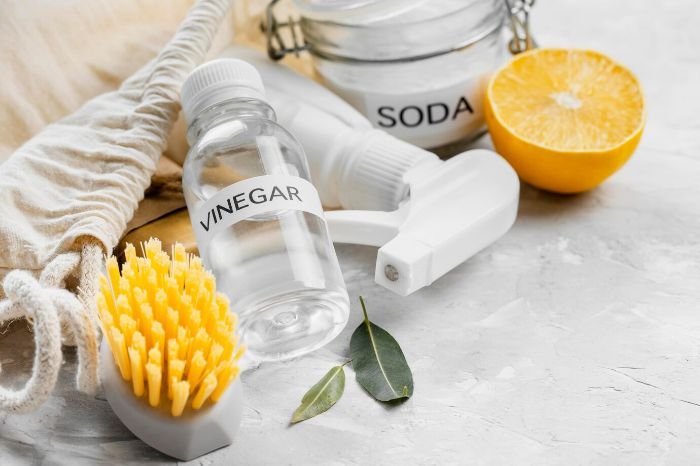
Including vinegar in your kitchen cleaning routine is a natural and eco-friendly way to ensure food safety and maintain a hygienic environment. From disinfecting cutting boards and countertops to making appliances shine, vinegar is a versatile cleaning solution for the heart of your home.
Vinegar is not just a versatile cleaning agent for surfaces, it can also be a game-changer in the laundry room. Incorporating vinegar into your laundry routine can provide multiple benefits, from fabric softening to stain removal.
Adding vinegar to the wash cycle can help to naturally soften fabrics, making clothes feel luxuriously soft and reducing static cling. The acetic acid in vinegar helps to break down the minerals and residues that can accumulate on fabrics over time, resulting in a softer feel against the skin.
For best results, add half a cup of vinegar to the rinse cycle to ensure that it is evenly distributed. This simple addition can make a significant difference in the texture and comfort of your clothes.
Vinegar is also an effective natural stain remover. Before washing your stained garments, you can apply vinegar directly to the affected area and let it sit for a few minutes. The acidity of vinegar helps to break down the stain, making it easier to remove during the wash cycle.
Vinegar is particularly effective in removing odours, mildew, and yellowing stains. It can be used on a variety of fabrics, from cotton to delicate materials like silk. However, it’s always important to test a small, inconspicuous area of the fabric before applying vinegar to ensure it doesn’t cause any color fading or damage.
By harnessing the power of vinegar in the laundry room, you can achieve softer, fresher-smelling clothes while effectively eliminating stubborn stains.
When it comes to routine cleaning, vinegar can be a powerful ally. To make the most of this natural cleaning agent, it’s essential to follow some professional tips. One key tip is to use the right vinegar concentration for different surfaces. This ensures that you achieve effective cleaning without causing any damage.
According to cleaning experts, the appropriate dilution of vinegar depends on the surface you are cleaning. For general cleaning, a solution of one part vinegar to four parts water is recommended. This concentration is suitable for cleaning windows, countertops, and floors. However, for more stubborn stains or mineral deposits, a stronger concentration of one part vinegar to two parts water can be used. It’s important to note that vinegar is acidic, so using it undiluted or using a higher concentration than recommended can cause damage to certain surfaces, such as marble or granite.
If you want to take your vinegar cleaning to the next level, consider combining it with other natural ingredients. Baking soda, for example, can be mixed with vinegar to create a powerful cleaning paste. This combination works wonders on tough stains and grime. Additionally, adding a few drops of lemon juice or essential oils to your vinegar solution can provide extra fragrance and antibacterial properties. These natural ingredients not only enhance the cleaning power of vinegar but also provide a refreshing and aromatic cleaning experience.
So, the next time you reach for a bottle of vinegar to tackle your routine cleaning, remember these professional tips. By using the right vinegar concentration for different surfaces and exploring combinations with other natural ingredients, you can achieve outstanding results while keeping your cleaning routine eco-friendly and effective. Try these tips and discover the full potential of vinegar in your cleaning arsenal.
Yes, vinegar is a powerful natural cleaning agent that is widely used for its cleaning properties.
Vinegar is considered eco-friendly as it is renewable, biodegradable, vegan, hypoallergenic, and non-toxic. It is not made from petrochemicals and is safe for the environment.
Vinegar is made through a process of fermentation from carbohydrate to alcohol and then further fermentation to produce acetic acid. The acetic acid in vinegar breaks down dirt, grease, and grime, making it an effective cleaning agent.
A simple vinegar and water solution can be used to clean windows effectively. The acidity of vinegar helps to dissolve dirt and grime on windows, leaving them streak-free and sparkling clean.
Yes, vinegar can be used to banish grime and soap scum in the bathroom. It can clean shower walls, tubs, faucets, and toilets effectively.
Vinegar can be a valuable addition to the laundry room. Adding vinegar to the wash cycle can help to soften fabrics, reduce static cling, and make clothes feel softer. It can also be used to remove stubborn stains and odours from fabrics before washing.


