
- 05/04/2025
- Category: How To
- Author: Kris Foster
- 130
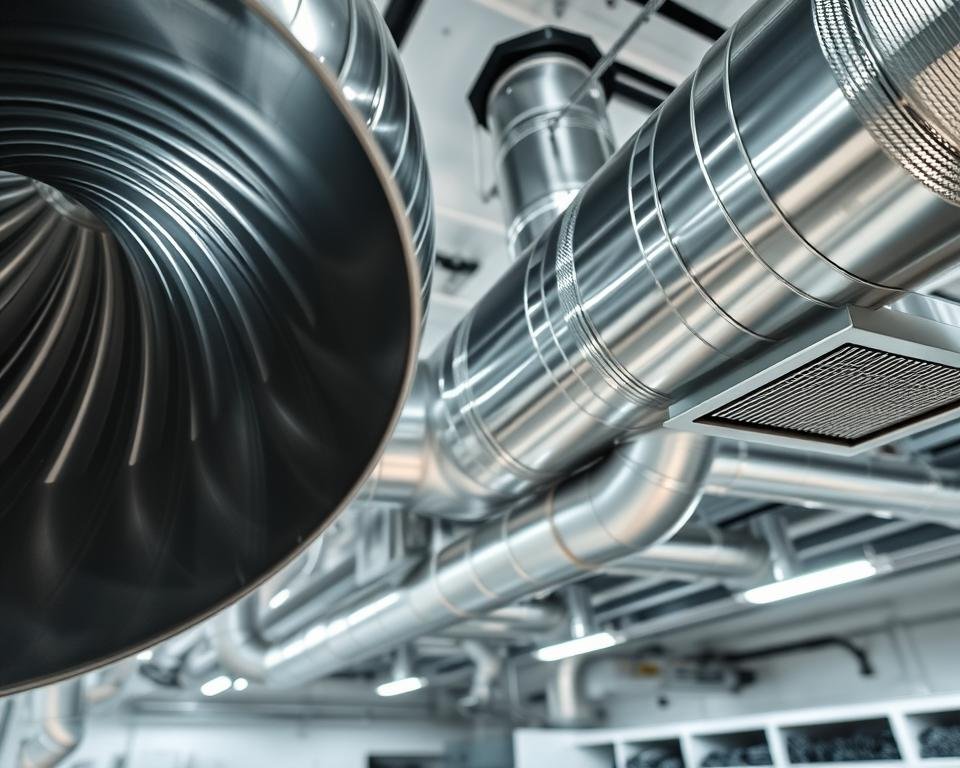
Ever thought about how clean ventilation systems affect your health and air quality? Many think dust means vents are clean, but this is wrong. It can harm your health and energy use. Cleaning vents during tenancy is key for a healthy home and meeting landlord needs.
Keeping vents clean is vital for air quality, which affects your health. When tenants move, cleaning air ducts is often missed. It stops health problems from allergens and mould. Cleaning vents well improves your living space and meets rental rules.
Cleaning ventilation systems is key in end-of-tenancy cleaning. It keeps the air inside clean, which is good for tenant health. If vents are not cleaned, allergens and particles can spread, causing health problems.
This not only affects tenants but also meets landlord expectations. They want properties to be in good condition when the lease ends.
Dirty air vents make HVAC systems work harder. This means they use more energy and cost more to run. About 30% of indoor air pollution comes from dust and allergens in vents.
Cleaning vents regularly can cut down these pollutants by half. This improves the air quality and health of tenants. It also makes living spaces more comfortable and free from bad smells.
Landlords and agencies expect properties to be clean. This includes well-maintained ventilation systems. A clean property reduces the chance of disputes over security deposits.
The UK Government says landlords must return deposits if the property is in good shape. Keeping the air clean helps avoid costly repairs and meets landlord standards.
Good ventilation is important for meeting rental standards. It ensures enough airflow to prevent mould growth. Mould can grow up to 50% in dirty vents, posing health risks.
Regular vent cleaning meets building regulations and reduces hazards. Properties that clean regularly attract better tenants and have higher occupancy rates. This shows how important air quality is for rental success.
Cleaning ventilation systems comes with its own set of challenges. These can affect air quality and how well the system works. Issues include dust and debris, mould and mildew, cooking residue, and pet hair allergens. Each problem needs a specific solution for a thorough clean.
It’s crucial to remove dust and debris from air vents for clean air. These particles can block airflow and cause breathing problems. Regular cleaning keeps the system working well and prevents health issues.
Mould remediation is key, mainly in damp places where mould grows in ducts. It’s important to use the right cleaning methods to get rid of mould. This is because mould can be harmful and smells bad. If ignored, it can lead to bigger problems and higher repair costs.
Cleaning kitchen extractor fans is vital for safety and cleanliness. Cooking residue can block airflow, making the system less effective and risky. Regular upkeep helps avoid these dangers, making cooking safer and more enjoyable.
Pet hair can clog air filters, lowering air quality and causing breathing problems. It’s important to check and clean filters often. This improves air quality, helping everyone breathe better and live healthier.
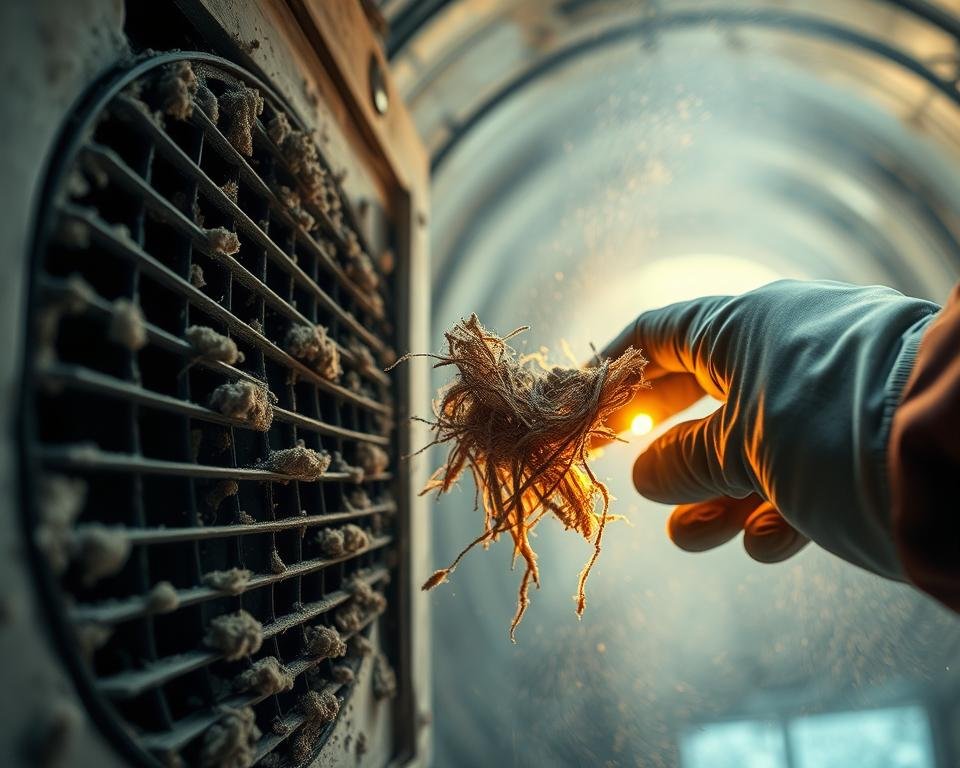
Cleaning ventilation systems can seem daunting, but it’s manageable with the right tools and approach. This guide outlines essential steps for landlords and tenants to maintain clean airways. Proper cleaning improves indoor air quality and HVAC system efficiency.
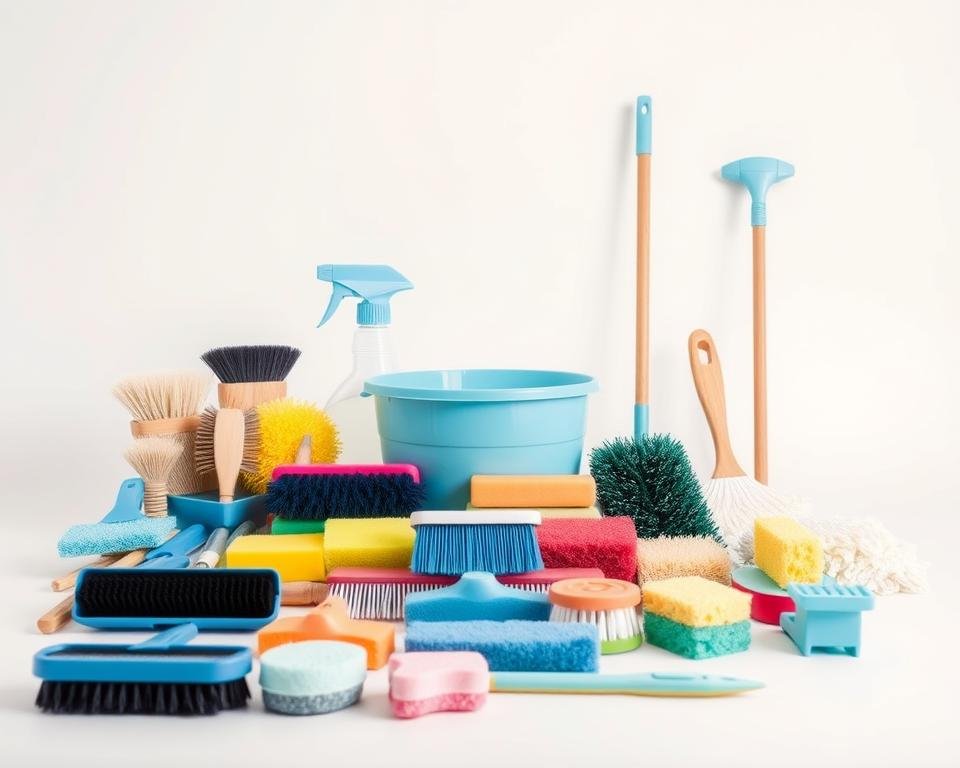
Invest in high-quality cleaning tools to maximise your efforts. Essential items include:
Choosing the right cleaning solutions ensures effective cleaning without damaging surfaces. Regular use of these tools optimises cleaning outcomes.
Disassembly of air vents is crucial for a thorough clean. Follow these steps:
Proper disassembly allows for accessible deep cleaning of hard-to-reach areas. This maintains overall system efficiency.
These fans collect grease and moisture, needing more rigorous cleaning methods. To deep clean:
Regular deep cleaning of these fans can significantly reduce potential odours. It improves the overall air quality in your home.
Regular air filter replacement is essential for maintaining airflow and system efficiency. It is advisable to check filters every month and replace them at least every three months. To change an air filter, do the following:
Proper air filter replacement prevents dust accumulation in ductwork. It enhances system performance and contributes to better air quality within the property.
Choosing between professional services and DIY cleaning for your ventilation system is a big decision. Each option has its own pros and cons, like how well it works, the cost, and the risk of damage. Knowing when to call in the experts versus doing it yourself can greatly improve your indoor air quality and efficiency.
Go for professional cleaning if you have a lot of contamination. This includes:
Professional duct cleaning can remove up to 98% of contaminants. They use special tools and methods that DIY cleaning can’t match. The cost can range from £400 to over £800, depending on your home’s size and ductwork complexity.
DIY cleaning can save money, costing between £40 and £120 for supplies. It’s best for regular upkeep. Here are some effective methods:
These methods can keep your system clean but only clean about 25-30% of it. Regular DIY cleaning is good but shouldn’t replace professional services for a deep clean.
DIY cleaning mistakes can cause serious damage. Homeowners often make errors like:
To avoid more problems, it’s crucial to know the limits of DIY cleaning. Some methods can even make air quality worse. The right choice depends on your comfort with the task and the risks involved.
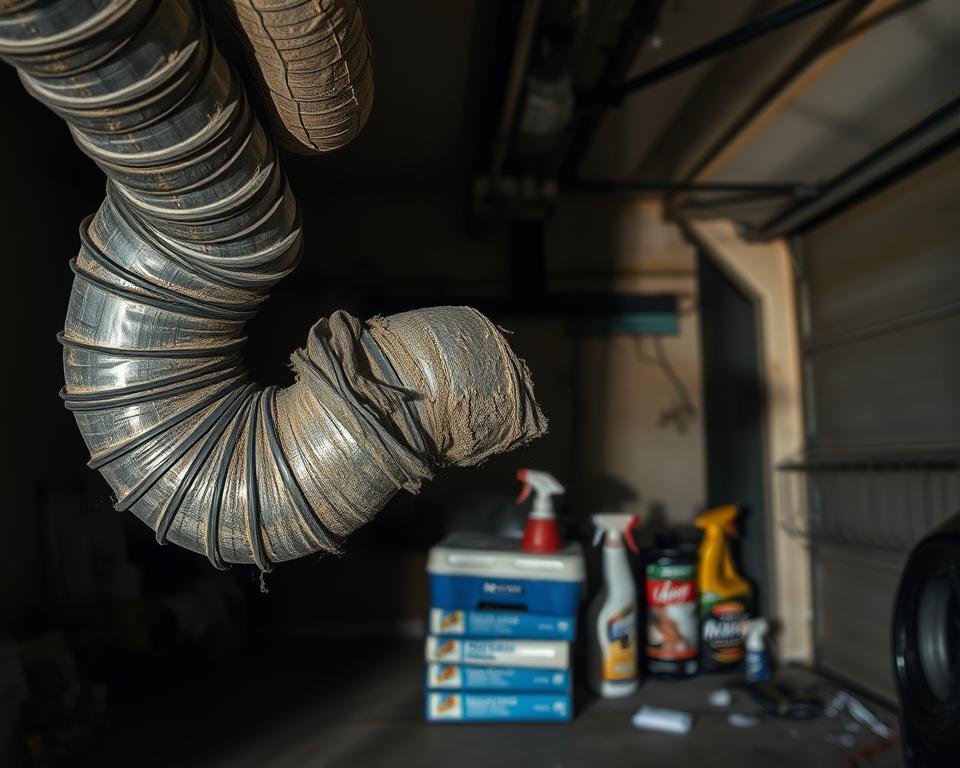
Keeping ventilation systems clean is vital for a healthy home. Regular upkeep cuts down on dust and extends system life. It also stops mould and bad smells.
Regular checks and cleanings make end-of-tenancy cleaning easier. Spotting problems early, like musty smells or mould, helps fix them before they get worse. Adding just 10 minutes of extra ventilation per hour can make a big difference in air quality.
Good airflow stops dust and pollutants from building up. Blocked vents or faulty systems can make air worse. Keeping systems clean and maintained is key to healthy air.
For air vents and fans to work well, clean them regularly, every 3 to 5 years. Using air purifiers helps too. Teaching people to report problems quickly helps keep homes clean and healthy.


