
- 10/02/2024
- Category: Expert Tips, House Cleaning
- Author: Kris Foster
- 514

Did you know that 30% of tenants in the UK lose their deposit due to inadequate end of tenancy cleaning? With the move-out process already being stressful, the last thing you want is to lose your hard-earned money. But fear not! In this article, we will explore a range of time-efficient strategies that can help you breeze through your end of tenancy cleaning, ensuring a secure deposit with minimum fuss.
In order to efficiently clean your property at the end of your tenancy, it is essential to prioritize your cleaning tasks and focus on high-traffic areas. By doing so, you can save valuable time and effort while ensuring that the surfaces mentioned in your tenancy agreement receive the attention they need.
Identifying the cleaning tasks that are required and categorizing them based on their importance is the first step in prioritizing your cleaning efforts. Start by making a list of all the areas that need attention, including kitchen, bathroom, living room, and bedrooms. Note down any specific items or surfaces that are mentioned in the tenancy agreement, as these will require special attention.
Once you have a comprehensive list of tasks, give priority to high-traffic areas. These are the spaces that receive the most use and are likely to have accumulated dirt, grime, and stains. Common high-traffic areas include entrances, hallways, stairs, and living areas.
It is important to understand the specific surfaces mentioned in your tenancy agreement, as these will likely be subject to close inspection by your landlord or letting agent. By addressing these surfaces first, you can ensure they are thoroughly cleaned and increase the chances of securing your deposit.
Remember, when it comes to end of tenancy cleaning, attention to detail is key. By focusing on the surfaces mentioned in your tenancy agreement, you demonstrate your commitment to leaving the property in the best possible condition.
To further expedite the cleaning process, consider using appropriate cleaning products and tools for each surface. For example, use non-abrasive cleaners for delicate surfaces like countertops and wood furniture, and invest in a good vacuum cleaner or carpet cleaner for deep cleaning carpets and rugs.
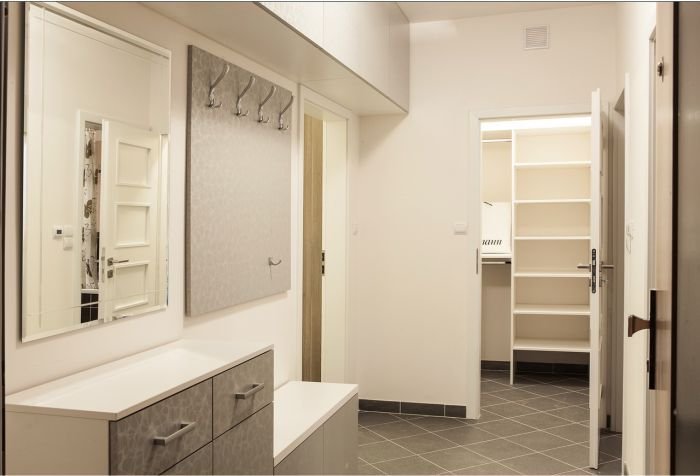
By placing an emphasis on prioritizing cleaning tasks and focusing on high-traffic areas, you can efficiently complete your end of tenancy cleaning. This approach not only saves time and effort but also helps ensure that the surfaces mentioned in your tenancy agreement are thoroughly cleaned, increasing the likelihood of getting your full deposit back.
Creating a cleaning schedule and checklist can be a game-changer when it comes to efficiently completing your end of tenancy cleaning. By allocating specific tasks to different days and factoring in drying times, you can stay organized and make the most of your time and effort. Setting realistic goals will also help you stay motivated and on track throughout the process.
Start by assessing the areas of your property that require cleaning and make a comprehensive checklist. This will ensure that you don’t overlook any important tasks and help you prioritize effectively. Remember to include specific items mentioned in your tenancy agreement to ensure you leave the property in the expected condition.
Once you have your checklist ready, it’s time to create a cleaning schedule. Allocate different tasks to specific days, taking into account the time required for each task and the drying times of any cleaning products used. This will help you avoid overlapping tasks, allowing you to work more efficiently.
An effective cleaning schedule and checklist also help in setting realistic goals. Break down your cleaning tasks into manageable chunks that can be accomplished within a specific timeframe. This way, you can track your progress and ensure that you’re staying on schedule.
Remember, it’s important to be realistic when setting goals. While it’s tempting to try and tackle everything in one day, it’s more practical and achievable to spread out the tasks over a few days. This will prevent burnout and allow you to give each task the attention it deserves.
By following a cleaning schedule and checklist, you can streamline your end of tenancy cleaning process and ensure that you’re not leaving anything to chance. It’s a simple yet effective strategy that will save you time, effort, and ensure that you meet all the necessary cleaning requirements.

By implementing time-efficient end of tenancy cleaning strategies, you can simplify the move-out process and secure your deposit with minimum fuss. Prioritizing cleaning tasks and focusing on high-traffic areas are key steps to ensure a thorough clean. It is essential to address surfaces mentioned in the tenancy agreement first, as this will help you meet the specific requirements set out by your landlord or letting agency.
Creating a cleaning schedule and checklist is another effective technique to streamline the cleaning process. By allocating specific tasks to different days and factoring in drying times, you can stay organized and accomplish your cleaning goals more efficiently. Setting realistic goals is equally important, as it allows you to manage your time effectively and avoid unnecessary stress.
Remember, the ultimate aim of your end of tenancy cleaning is to leave the property in a pristine condition, ensuring that you get your deposit back. By following these time-saving strategies, you can achieve this while minimizing the hassle and maximizing your chances of a smooth transition to your new home.
Some time-efficient strategies for end of tenancy cleaning include prioritizing cleaning tasks, focusing on high-traffic areas, creating a cleaning schedule and checklist, and setting realistic goals. By implementing these strategies, you can streamline the cleaning process and save valuable time and effort.
Cleaning high-traffic areas is important during end of tenancy cleaning as it helps to address the surfaces mentioned in your tenancy agreement first. By focusing on these areas, you can minimize repetitive cleaning and ensure that you meet the requirements outlined in your agreement, ultimately saving time and effort.
Creating a cleaning schedule and checklist can help you stay organized and complete your end of tenancy cleaning efficiently. By allocating specific tasks to different days, factoring in drying times, and setting realistic goals, you can ensure that you cover all the necessary cleaning tasks and maximize your efficiency.
Setting realistic goals is crucial for effective end of tenancy cleaning. By understanding the time and effort required for each task and setting achievable goals, you can manage your expectations and stay motivated throughout the cleaning process. This approach helps you work efficiently and ensures that you complete the cleaning to a high standard.


