
- 14/03/2024
- Category: House Cleaning
- Author: Kris Foster
- 480
Did you know that limescale affects over 60% of households in the United Kingdom?
Limescale can be a stubborn and unsightly problem, especially in kitchens and bathrooms where water is constantly in use. From stained sinks and taps to clogged showerheads and toilets, limescale buildup can wreak havoc on your surfaces and appliances if left untreated. But fear not, because in this article, we will explore effective methods for tackling limescale and keeping your kitchen and bathroom surfaces clean and limescale-free.
Many homeowners face the limescale challenge in their kitchens and bathrooms. Limescale, a common problem in areas with hard water, can affect various surfaces and fixtures, making them dull and difficult to clean. To effectively tackle limescale, it is important to understand its causes and effects.
One of the main contributors to limescale is hard water, which contains high levels of minerals such as calcium and magnesium. When hard water is heated or evaporates, it leaves behind deposits of calcium carbonate, the primary component of limescale. Over time, these deposits build up on surfaces, resulting in the unsightly white or off-white stains commonly associated with limescale.
Understanding the nature of limescale and its formation is crucial for effectively combating it. By familiarizing yourself with the challenges posed by limescale in your kitchen and bathroom, you can take proactive measures to prevent its buildup and ensure the longevity and cleanliness of your surfaces.
In order to effectively tackle limescale in your kitchen and bathroom, it’s important to have a comprehensive understanding of its causes and effects. Limescale is primarily caused by the presence of hard water, which contains high levels of minerals such as calcium and magnesium. When hard water is heated or evaporates, these minerals form a hard, chalky residue known as limescale.
The effects of limescale can be far-reaching, affecting both the functionality and aesthetics of your household fixtures and appliances. Limescale buildup can clog pipes, reduce water flow, and impair the efficiency of water heaters and other appliances. It also leaves unsightly stains on surfaces such as sinks, faucets, and showerheads, making them appear dull and dirty.
Identifying limescale buildup in your kitchen and bathroom is crucial for prompt action and effective removal. There are several visual signs that indicate the presence of limescale. Look for white or off-white crusty deposits on surfaces, faucets, shower screens, and appliances. These deposits may feel rough or gritty to the touch.
Common problem areas where limescale tends to accumulate include taps, showerheads, kettles, and coffee makers. Inside your pipes, limescale buildup may result in reduced water pressure or unusual noises when water is flowing.
Regular inspection and cleaning of these areas can help you identify limescale buildup early on and prevent further damage. By addressing limescale promptly, you can maintain the efficiency and appearance of your kitchen and bathroom.
In this section, we will explore DIY solutions for effectively removing limescale from various surfaces in kitchens and bathrooms. Limescale buildup can be a persistent problem, but with the right techniques and household items, you can successfully tackle it.
To begin, let’s discuss some basic DIY solutions for limescale removal that can be used on different surfaces. One popular option is vinegar. Its acidic properties make it effective in breaking down limescale deposits. Simply mix equal parts vinegar and water, apply the solution to the affected area, and let it sit for a few minutes before scrubbing and rinsing.
Lemon juice is another natural solution that can be used to combat limescale. Its citric acid content helps dissolve the stubborn deposits. Squeeze fresh lemon juice onto the surface, allow it to sit for a while, and then scrub and rinse thoroughly.
Baking soda is a versatile ingredient that can be used for various household cleaning tasks, including limescale removal. To use it, create a paste by mixing baking soda with water until it forms a smooth consistency. Apply the paste to the affected area, leave it on for some time, scrub gently, and rinse off.
Now, let’s move on to specialized techniques for different surfaces. For kitchen surfaces such as tiles and countertops, a mixture of baking soda and vinegar can be highly effective. Create a paste by combining the two ingredients, apply it to the surface, scrub gently using a sponge or brush, and rinse thoroughly.
When it comes to bathroom surfaces like taps, showerheads, and toilets, one effective technique is to soak these items in a solution of vinegar and water overnight. This will help break down limescale deposits and make them easier to remove. After soaking, scrub the surfaces with a sponge or brush and rinse well.
Remember to always test these DIY solutions on a small, inconspicuous area first to ensure they do not damage or stain your surfaces. Additionally, it’s important to wear protective gloves and ventilate the area when using these solutions to avoid any potential irritation.
By utilizing these DIY solutions and specialized techniques, you can effectively remove limescale from kitchen and bathroom surfaces, restoring their cleanliness and shine.
Limescale can be a persistent problem in kitchens and bathrooms, but there are effective strategies you can implement to prevent future buildup. By following these tips and tricks, you can maintain clean and limescale-free surfaces in your home.
One of the simplest and most important ways to prevent limescale buildup is to establish a regular cleaning routine. Regularly wipe down kitchen and bathroom surfaces with a mild detergent or cleaning solution to remove any mineral deposits before they have a chance to harden. Pay special attention to areas prone to limescale, such as faucets, showerheads, and tiles.
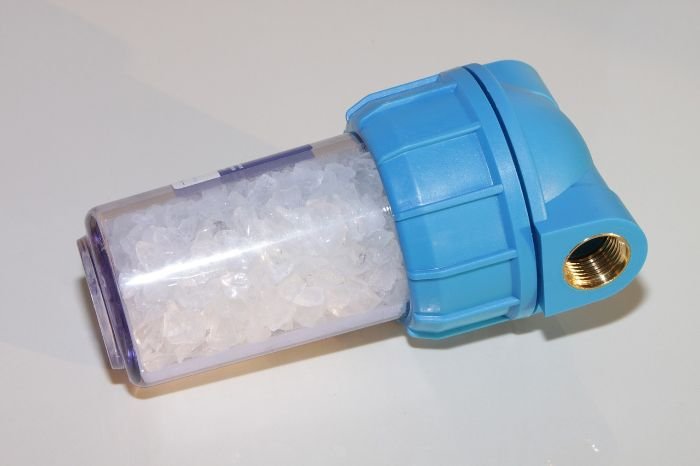
If you live in an area with hard water, installing a water softener can significantly reduce limescale buildup. Water softeners work by removing the minerals responsible for limescale, such as calcium and magnesium, from the water supply. This helps prevent the formation of limescale deposits on surfaces and appliances.
There are a variety of cleaning products available that are specifically formulated to prevent limescale buildup. Look for products that contain descaling agents or inhibitors. These products can be used regularly to help dissolve existing limescale deposits and prevent the formation of new ones.
By incorporating these tips and tricks into your cleaning routine, you can effectively prevent limescale buildup in your kitchen and bathroom. Remember to clean and maintain surfaces regularly, consider installing a water softener if you have hard water, and use cleaning products designed to prevent limescale. With these preventative measures in place, you can enjoy clean and limescale-free surfaces for years to come.
In conclusion, maintaining limescale-free surfaces in your kitchens and bathrooms is essential for a clean and hygienic home. By implementing the effective methods and techniques discussed in this article, you can tackle limescale buildup and prevent its recurrence.
To keep your home limescale-free, start by regularly cleaning and descaling your kitchen and bathroom surfaces. Use DIY solutions such as vinegar, lemon juice, and baking soda to remove limescale deposits. Remember to follow specialized techniques for different surfaces, ensuring a thorough and gentle approach to limescale removal.
Prevention is key to long-term limescale prevention. Consider installing a water softener to reduce the impact of hard water. Additionally, use cleaning products specifically designed to prevent limescale formation. By taking these proactive measures, you can significantly reduce the chances of limescale buildup in your home.
By keeping your home limescale-free, you not only maintain the aesthetic appeal of your kitchens and bathrooms but also ensure the longevity of your fixtures and appliances. Take control of limescale and enjoy a clean, fresh, and limescale-free living environment in your home.
There are several DIY solutions you can try to remove limescale. One effective method is to use vinegar or lemon juice. Simply apply either of these substances to the limescale-affected area, leave it to soak for a few minutes, and then scrub with a brush or sponge. Another option is to create a paste using baking soda and water, apply it to the limescale, and scrub it off. For specialized surfaces like taps, showerheads, and toilets, you can use vinegar-soaked cloths or brushes to remove the limescale.
Limescale buildup can manifest in several ways. Look out for a white, chalky residue on surfaces such as tiles, sinks, and shower screens. Faucets and showerheads may also have reduced water flow due to limescale blockages. If you notice a film or spots on your glassware or dishes, it could be a sign of limescale in your dishwasher or washing machine.
Regular cleaning and maintenance are key to preventing limescale buildup. Wiping down surfaces regularly with a vinegar or lemon juice solution can help dissolve any mineral deposits before they accumulate. Installing a water softener can also be beneficial, as it reduces the minerals in the water that contribute to limescale formation. Using cleaning products specifically designed to prevent limescale can also help keep your surfaces limescale-free.


