
- 05/10/2025
- Category: House Cleaning
- Author: Kristian Yordanov
- 55
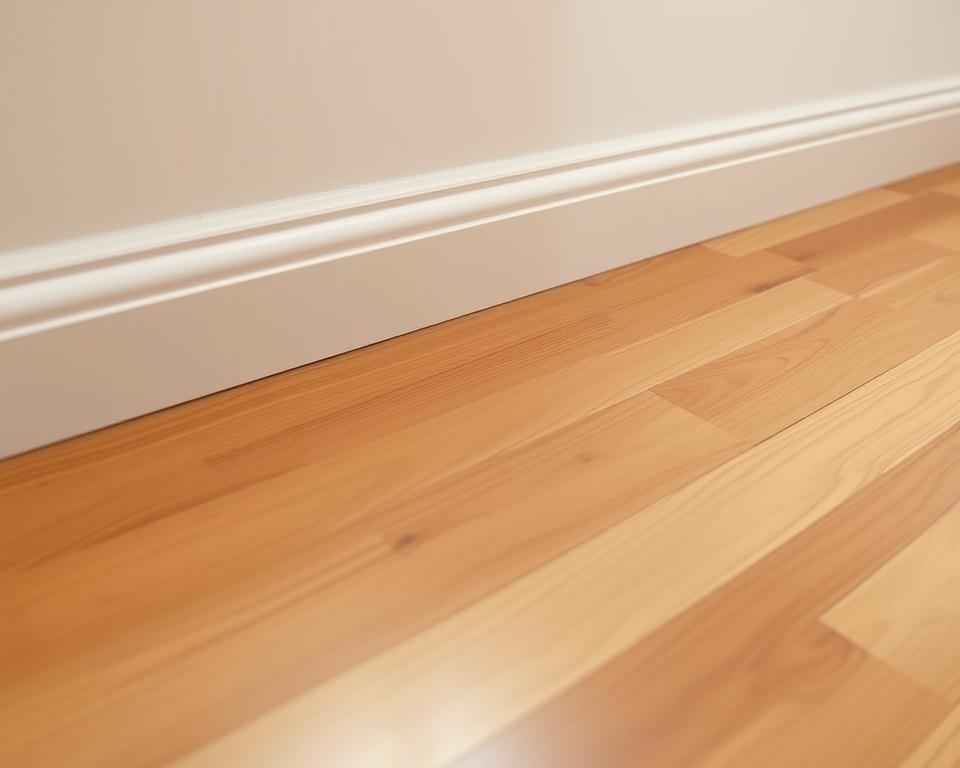
Have you thought about how clean skirting boards can affect getting your deposit back? When tenants try to return properties to their original state, skirting boards are key. Not cleaning them well can lead to arguments with landlords and might mean losing some of your deposit, as the Tenant Fees Act of 2019 shows.
In today’s competitive rental market, keeping properties clean is crucial. Skirting boards are more than just for looks; they show a property is well-kept. With 70% of landlords wanting properties back in the same state as when you moved in, ignoring skirting boards could cost you your deposit.
End of Tenancy Cleaning service has an 85-point checklist. It includes cleaning skirting boards to ensure the property is spotless. From dusting and removing scuff marks to making sure glass is streak-free, every little detail counts for getting your deposit back.
Cleaning skirting boards is often forgotten during tenancy inspections. This mistake can cause big problems, as dust builds up in these areas. So, it’s key to clean skirting boards well when a tenancy ends.
Skirting boards naturally collect dust and dirt, making it hard to clean them. They are often missed during regular cleaning, leading to a lot of dust by the time a tenant leaves. This can really harm the property’s cleanliness and might affect deposit returns.
Clean skirting boards are important for how a property looks. A clean property impresses both tenants and landlords, which is crucial during inspections. Clean skirting boards show that the property has been well looked after, making a great first impression.
Reports often mention dirt and scuff marks on skirting boards as common problems. These issues can lead to disagreements over cleaning standards. Keeping detailed records at the start helps avoid these problems. It also makes it more likely to get the full deposit back.
Cleaning skirting boards can be tricky. You might face dust, pet hair, scuff marks, and moisture damage. It’s key to tackle these issues to keep your home looking good and to avoid losing your deposit.
Dust builds up quickly on skirting boards, making them look dull. You should clean them every 1-2 weeks in busy areas. Less used spots need dusting every 2-4 weeks. This keeps them looking nice and helps with allergies.
Scuff marks on painted skirting boards are a big challenge. For glossy finishes, use a mild soap and water. For matte, try diluted vinegar or sugar soap. For stubborn stains, vinegar works well if left on for five minutes. This makes your skirting boards look great.
Bathrooms and kitchens are prone to moisture damage. Mould and limescale are common problems. Cleaning regularly with vinegar can remove stains up to 80% of the time. Always ventilate when using strong cleaners to avoid bad smells and ensure safety.
Ignoring skirting boards can cause deposit disputes. In fact, 45% of final inspections point to these areas as issues. Keeping them clean can increase the chance of getting your deposit back by up to 30%. Regular cleaning meets landlord standards and avoids fines for cleanliness.
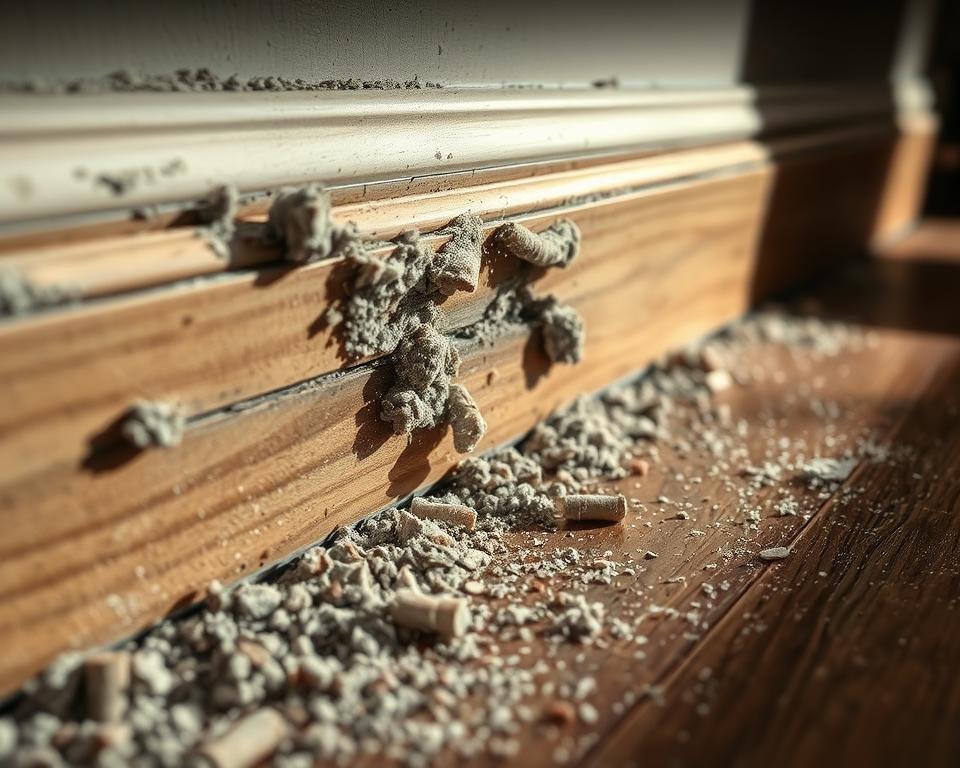
Getting skirting boards ready for tenancy inspections needs a careful plan. A good cleaning guide helps pick the right products, tackle stains, and clean hard spots. This makes sure all surfaces look great and can help get your deposit back.
Choosing the right cleaning products is key, depending on the skirting board material. For wood, use mild soap or wood cleaners to keep the finish. Painted boards can be cleaned with water and vinegar. Always check the products won’t harm the surface.
To remove stains, start with a soft cloth and warm soapy water. For hard stains, use a stain remover made for painted surfaces. Test it first on a hidden spot to avoid colour changes.
A microfiber cloth is great for a streak-free finish. Just dampen it a bit and wipe along the boards, following the wood grain if it has one. Regular cleaning also means less deep cleaning later.
For tricky spots, like behind furniture or in corners, a vacuum with a narrow nozzle is perfect. Or, use a flexible duster to get into tight spots and keep dust away.
When it comes to cleaning skirting boards, tenants often debate between professional cleaning and DIY methods. Each option has its own benefits, depending on your situation and cleaning needs. If you’re short on time or unsure about cleaning, hiring a pro might be the best choice. Yet, many DIY cleaning methods can also achieve great results for most rentals.
Professional cleaning is ideal for deep cleans. If your skirting boards are heavily soiled, you’ll need special tools and solutions. Properties with tough materials or mould issues also benefit from professional cleaners. They use safe and effective methods.
If you prefer DIY cleaning, there are effective methods to keep skirting boards in good shape. Clean high-traffic areas every 1-2 weeks and low-traffic areas every 2-4 weeks. A sugar soap solution diluted at 1:10 can work wonders. Vacuuming with a brush attachment is also a great way to remove dust without harming the surface.
DIY cleaning can sometimes go wrong, making skirting boards look worse. Using harsh tools can scratch painted surfaces. Not letting cleaning solutions work long enough can also fail to clean properly. For example, using bleach without proper dilution can damage the boards. Knowing these common mistakes can help you avoid them and keep your skirting boards looking great.
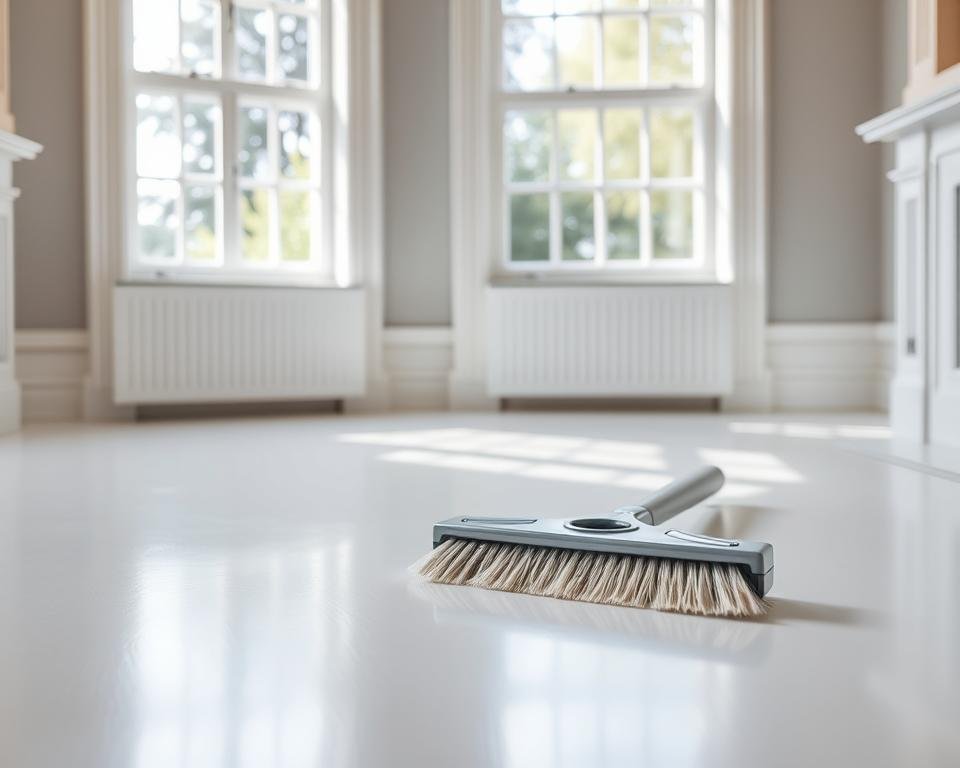
Keeping skirting boards clean during your tenancy is easy. Start simple habits early to stop dirt from building up. This makes your rental property look better and avoids cleaning disputes at the end.
Regular maintenance is key to clean skirting boards. Wipe them down weekly to stop dust and dirt. Use a soft cloth or microfiber duster to avoid damage.
Spending a few minutes each week can save you from big cleaning jobs later. Remember, 30% of cleaning tasks, like skirting boards, are often missed by tenants.
Dusting regularly is vital for keeping skirting boards clean. Make dusting a part of your cleaning routine. This stops dirt from building up.
According to stats, a clean property can help you get your full deposit back. Landlords often check skirting boards when judging cleanliness. By keeping up with cleaning, you protect your home and your money.
Skirting boards are key because they catch dust, dirt, and allergens. The Tenant Fees Act of 2019 says tenants must return properties as they were. This includes clean skirting boards to avoid arguments with landlords and losing deposit money.
Issues often seen are dirt, dust, scuff marks, and scratches. Not cleaning skirting boards can cause problems about the property’s state. It’s vital for tenants to clean these areas well during inspections.
Cleaning skirting boards can be tough due to dust, pet hair, and marks on paint. Bathrooms and kitchens are harder because of mould and grime. It’s important to clean these areas carefully.
Choosing the right cleaning products for the skirting board material is crucial. It’s important to know how to remove stains and scuffs without damaging them. Also, making sure the cleaning is streak-free is key to pleasing landlords.
Hiring pros can be a good idea if you’re busy or not sure about cleaning. But, you can also clean them yourself if you do it right. Just be careful to avoid mistakes.
Keeping skirting boards clean is easier with simple habits like regular dusting. A cleaning routine helps stop grime from building up. This makes the end-of-tenancy cleaning easier and boosts your chances of getting your deposit back.


