
- 26/04/2024
- Category: Expert Tips
- Author: Kris Foster
- 476
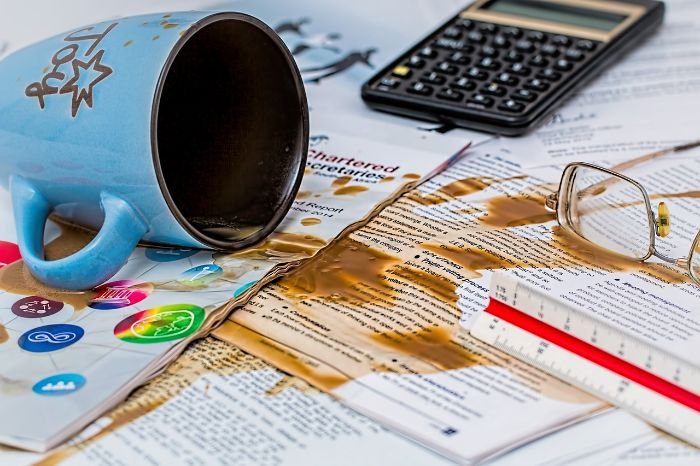
Did you know that the average person spends over 320 hours a year dealing with stain removal?
Stain removal is a common challenge faced by many individuals when it comes to maintaining clean and spotless clothing. Whether it’s a stubborn coffee spill, a pesky ink mark, or a sauce stain from lunch, we all encounter these unwanted blemishes on our clothes.
But fear not! Understanding the science behind stain removal can help us discover the most effective methods and products to achieve optimal results. In this article, we will delve into the different aspects of stain removal, including the chemistry behind it and the factors that influence its success.
Stain removal is based on the principles of chemistry, specifically the chemical reactions that occur between the staining substance and the fabric. Understanding the chemistry behind stain formation and removal provides valuable insights into how different cleaning agents work to eliminate stains effectively.
When a stain occurs, it is the result of a chemical reaction between a staining substance and the fabric. These reactions can vary depending on the composition of the stain and the fabric’s chemical properties. By comprehending the underlying chemistry, we can employ targeted approaches to remove even the most stubborn stains.
To illustrate the importance of chemistry in stain removal, consider the formation of a coffee stain on a white shirt. When coffee is spilled, the chemicals in the coffee interact with the fabric, creating a visible stain. To remove this stain, we need to understand the chemical reactions at play and how different cleaning agents can disrupt these reactions.
The key to effective stain removal lies in understanding the chemical interactions between stains and fabrics.
In stain removal chemistry, various factors come into play, including the nature of the staining substance, the fabric’s composition, and the environment in which the stain occurs. Different types of stains require specific approaches for successful removal.
In the upcoming sections, we will delve deeper into stain removal chemistry, exploring the types of stains and their chemical makeup, the role of water and chemical additives in stain removal, as well as the impact of pH levels and the use of solvents. By gaining a comprehensive understanding of stain removal chemistry, we can equip ourselves with the knowledge and techniques necessary to effectively and efficiently remove stains from our garments.
Before delving into the intricacies of stain removal, it is crucial to understand the various types of stains. Different stains have different chemical makeups, which influence their properties and the techniques required to remove them effectively. This section will explore the common types of stains and their chemical compositions, providing valuable insights into how to tackle each type.
Stains come in all forms and origins, each with its own unique chemical makeup. Understanding the composition of different stains is essential in determining the most effective approach for removal.

1. Protein-based stains – These stains are commonly caused by substances such as blood, sweat, or food containing proteins. The chemical structure of proteins makes them insoluble in water, requiring specific treatments to break down the stain.
2. Oil-based stains – Stains caused by oils, grease, or other fatty substances belong to this category. The chemical nature of oils makes them hydrophobic, repelling water and making traditional water-based cleaning methods ineffective.
3. Tannin stains – Stains caused by substances like coffee, tea, or red wine fall under this category. Tannins are naturally occurring compounds that can bind with fabrics, making these stains notoriously difficult to remove.
4. Dye stains – These stains occur when colored substances bind to fabrics, such as ink or dye transfer from one garment to another. The chemical makeup of dyes can vary widely, impacting the best approach for removal.
5. Acid-based stains – Stains caused by acidic substances like fruit juices, vinegar, or rust fall into this category. Acidic stains can chemically react with fabrics, causing discoloration and requiring specialized treatment.
6. Alkaline stains – These stains result from alkaline substances like bleach, ammonia, or certain cleaning agents. Alkaline compounds can chemically alter the fibers of fabrics, leading to irreversible damage if not treated correctly.
By understanding the different chemical compositions of stains, we can choose the most suitable stain removal methods and products for each specific type. However, it is important to note that some stains may have a combination of chemical properties, requiring a tailored approach for effective removal.
Water is a fundamental component in the process of stain removal. Its unique properties make it an excellent solvent for various substances, allowing it to effectively break down and remove stains from fabrics and surfaces. By understanding the role of water in stain removal, we can optimize our cleaning techniques and achieve better results.
One of the key reasons water is so effective in stain removal is its ability to act as a universal solvent. Being a polar molecule, water has a positive end (hydrogen) and a negative end (oxygen). This polarity allows water molecules to attract and dissolve other polar and ionic substances, making them easier to remove.
When a stain comes into contact with water, the water molecules surround and interact with the staining substance, breaking it down and dispersing it. This process helps to loosen and lift the stain, making it easier to remove during the cleaning process.
Water-based stain removal techniques are particularly effective for water-soluble stains, such as coffee, tea, and fruit juice. These stains contain molecules that can dissolve in water, allowing them to be easily rinsed away.
However, it’s important to note that not all stains are water-soluble. Some stains, such as oil and grease, are non-polar and do not dissolve in water. Therefore, water alone may not be sufficient in removing these types of stains. In such cases, the use of other solvents or cleaning agents may be necessary.
The effectiveness of water as a solvent in stain removal can also be influenced by various factors. The temperature of the water, for example, can impact the solubility of certain substances. Hot water tends to dissolve substances more effectively than cold water, making it more suitable for removing certain types of stains, such as protein-based stains.
Additionally, the pH level of the water can play a role in stain removal. Some stains, such as those caused by acidic substances like red wine or tomato sauce, may be best treated with alkaline water, while others may require slightly acidic water for optimal results.
In conclusion, water plays a crucial role in stain removal due to its ability to act as a universal solvent. By understanding its properties and how it interacts with different stains, we can tailor our cleaning techniques to achieve more effective stain removal.
In addition to water, various chemical additives are used in stain removal products to enhance their cleaning power. Enzymes and surfactants are two key additives that play vital roles in lifting and removing stains. Let’s explore how these chemical additives work and their impact on stain removal efficiency.
Enzymes are bioactive substances that act as catalysts in chemical reactions. In stain removal, enzymes target specific stain molecules and break them down, making it easier to lift and remove the stain from the fabric. Each enzyme has a specific target, such as proteins, carbohydrates, or fats, allowing for effective removal of various types of stains.
For example, protease enzymes are effective in breaking down protein-based stains like blood, grass, or egg stains. Amylase enzymes are useful in removing starch-based stains such as pasta sauce or juice stains. Lipase enzymes are effective against oily stains like grease or oil-based food stains.
By incorporating enzymes into stain removal products, manufacturers can provide targeted and efficient stain removal solutions for different types of stains.
Surfactants are surface-active agents that reduce the surface tension of water, allowing it to spread and penetrate fabrics more easily. They work by having a hydrophilic (water-attracting) head and a hydrophobic (water-repelling) tail. When surfactants come into contact with water, they reduce the water’s surface tension, allowing it to wet and penetrate the fabric more effectively.
Surfactants also help to lift and suspend dirt and stains in the water, preventing them from re-depositing on the fabric surface during the washing process. This ensures that stains are thoroughly removed rather than being redistributed.
Additionally, surfactants enhance the overall cleaning power of stain removal products by emulsifying oily stains and facilitating their removal.

Chemical additives, such as enzymes and surfactants, are essential components of stain removal products. Enzymes target specific stain molecules, breaking them down for easier removal, while surfactants reduce surface tension and enhance the overall cleaning power of the product. By understanding the role of these chemical additives in stain removal, you can make informed choices when selecting the most effective stain removal products for your laundry needs.
The effectiveness of a cleaning agent in stain removal is greatly influenced by its pH level. Different stains require specific pH levels to be effectively eliminated. Understanding the concept of pH and its role in stain removal can help us choose the right cleaners for different types of stains.
Acidic and alkaline cleaners are two types of cleaning agents that differ in their pH levels. Acidic cleaners have a pH value below 7, while alkaline cleaners have a pH value above 7.
Acidic cleaners, with their lower pH levels, are particularly effective in removing stains caused by alkaline substances such as rust, mineral deposits, and hard water stains. The acidity helps break down these deposits and dissolve them, making it easier to remove the stains from surfaces.
On the other hand, alkaline cleaners, with their higher pH levels, are effective in removing stains caused by acidic substances such as grease, oil, and food stains. The alkalinity of these cleaners helps neutralize the acids present in these stains, making them easier to lift from surfaces.
Did you know? pH is a measure of the acidity or alkalinity of a substance. It ranges from 0 to 14, with 7 being neutral. Substances with a pH below 7 are acidic, while those with a pH above 7 are alkaline.
When choosing a cleaner for a specific stain, it’s important to consider the pH level that is most suitable for its removal. Using a cleaner with the right pH can enhance the effectiveness of the stain removal process, ensuring optimal results.
Solvents are essential agents in the process of stain removal, particularly when it comes to tackling stubborn grease and oil stains. In this section, we will explore the role of solvents and their effectiveness in removing these types of stains. Additionally, we will focus on organic solvents that are specifically designed to target and dissolve grease and oil-based stains, providing you with valuable insights to assist in your stain removal endeavors.
When it comes to grease and oil stains, traditional cleaning methods often fall short. This is where organic solvents come into play. Organic solvents are derived from natural sources and are known for their ability to effectively break down and dissolve grease and oil molecules. By using organic solvents in combination with other stain removal techniques, you can achieve superior results in treating these stubborn stains.
The properties of organic solvents make them ideally suited for grease and oil stain removal. They have a low surface tension, allowing them to penetrate deep into the fabric and effectively dissolve the stains. Additionally, organic solvents are gentle on fabrics, minimizing the risk of damage or discolouration during the stain removal process.
Popular organic solvents for grease and oil stain removal include citrus-based solvents, alcohol-based solvents, and acetone. These solvents are readily available and can be found in many commercially available stain removal products. However, it is important to carefully follow the instructions provided by the manufacturer and conduct a patch test before using any solvent on a larger area to ensure compatibility with the fabric.
Stain removal chemistry is based on the chemical reactions between the staining substance and the fabric. Different cleaning agents target specific stain molecules, breaking them down and lifting them from the fabric.
There are various types of stains, including oil-based stains, protein-based stains, dye-based stains, and combination stains. Each type has a different chemical composition, which affects the techniques required to effectively remove them.
Water acts as a universal solvent, meaning it can dissolve many substances. It plays a vital role in stain removal by helping to break down and dilute stains. The properties of water and how it interacts with different stains can enhance stain removal techniques.
Enzymes are biological molecules that target specific stain molecules, breaking them down and making them easier to remove. Surfactants, on the other hand, reduce surface tension, allowing water and cleaning agents to spread across the stain more effectively.
The pH level of a cleaning agent can greatly impact its effectiveness in stain removal. Different stains require different pH levels for effective elimination. Acidic cleaners are suitable for certain stains, while alkaline cleaners are better for others.
Solvents are effective in removing grease and oil-based stains. Organic solvents specifically target and dissolve these types of stains. The properties and suitability of different solvents vary depending on the type of stain.


