
- 21/02/2024
- Category: Expert Tips, How To
- Author: Kris Foster
- 627
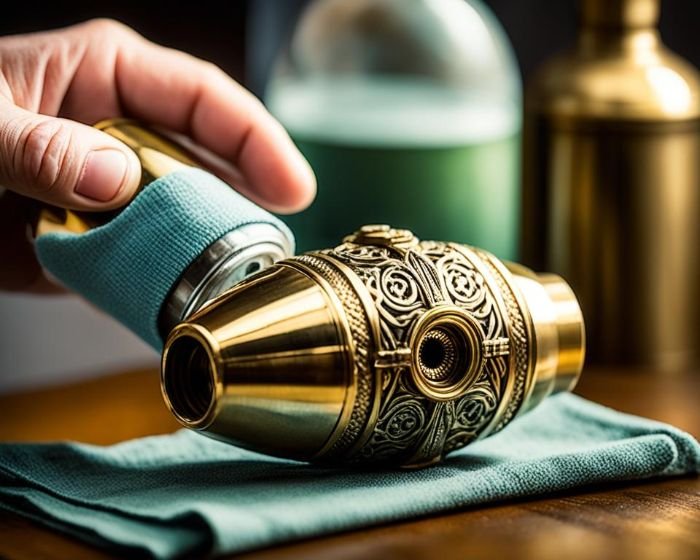
Brass objects often serve as gleaming testaments to both our artistic aspirations and daily lives, but when they fall victim to the harsh effects of bleach, restoring their former lustre becomes a task of delicate care. This guide encapsulates the quintessential steps necessary for remedying the corrosion and discolouration afflicted by bleach. It is crafted to help you navigate the intricate process of restoring brass surfaces, ensuring that each piece is not only cleaned but also protected for the future.
From the kitchen to the mantelpiece, bleach damage repair on brass can indeed be addressed with home remedies, encompassing the benign strengths of natural ingredients. We delve into how to concoct effective mixtures, how to utilize widely acclaimed products like Brasso, and the crucial application of protective coatings for brass to prevent tarnishing. The holistic approach detailed here empowers you to not only clean but also safeguard your brass treasures, reviving brass lustre that might otherwise be deemed irrecoverable.
In the following sections, we will unveil exactly how to clean bleached brass with the care it demands, restoring it to its rightful radiance. Thus, let us embark on this journey to reinstate the elegance that your brass items rightly deserve, using methodologies steeped in both traditional wisdom and modern expertise.
When it comes to the maintenance and preservation of brass, the detrimental effect of bleach is a concern that cannot be ignored. Its corrosive nature poses a significant threat to brass’s aesthetic and structural integrity, making the process of brass restoration a crucial endeavour for both collectors and everyday enthusiasts alike. In this introduction, we explore the essential steps and considerations for DIY metal restoration, ensuring that every brass object can shine once again, unmarred by the hazardous touch of bleach.
Bleach, while a powerful disinfectant, has an unforgiving nature when it comes to metal surfaces, particularly brass. Its harsh chemical composition can lead to unwanted outcomes such as discoloration, tarnishing, and even corrosion, signifying the importance of promptly neutralizing bleach on metal. Knowledge of how bleach interacts with brass surfaces is indispensable, guiding the restoration process and preventing further degradation of precious items.
Brass items often carry with them a weight of history and sentiment, rendering their restoration a task of both aesthetic and sentimental significance. Effective restoration goes beyond simple cosmetic enhancements; it is about elongating the lifespan of the metal and preserving its heritage. As such, appropriate restoration techniques are vital during the restoration journey to retain the innate charm and historical essence inherent in each brass piece. Adopting secure and recommended DIY metal restoration methods protects these treasured items from potential damage and ensures that their legacy is honoured and upheld.
The restoration of brass surfaces that have been tarnished by bleach requires a meticulous, step-by-step approach to effectively neutralize the damaging effects of bleach and restore the metal’s inherent luster. This how-to guide details a systematic restoration process, using trusted methods and products to rejuvenate your brass items and bring back their gleaming shine.
Total Time: 1 hour and 30 minutes
Rinse Thoroughly – Begin the restoration by comprehensively rinsing the brass to remove any remnants of bleach. It’s crucial to thoroughly eliminate this caustic substance to prevent further corrosive damage to the delicate metal surface.
Create a Cleaning Paste – Mix the juice of half a lemon with one teaspoon of baking soda to form a gentle yet effective paste. This natural concoction leverages the citric acid of lemon and the mild abrasive property of baking soda to lift grime without harsh chemicals.
Apply the Paste – Using a soft cloth, gently apply the paste onto the brass surface, polishing in a circular motion until you see the original brass shine starting to peek through.
Rinse and Dry – Remove any remaining paste with a damp cloth, then immediately dry the surface with a clean, dry cloth to prevent water spots and reveal a clean, polished surface.
Choose a Brass Polish – Select a high-quality brass polish like Brasso, Bar Keepers Friend, or Mr. Metal, considering the specific needs of your brass item. These products not only polish but also protect the surface.
Polish According to Instructions – Follow the manufacturer’s instructions closely, applying the polish with a soft cloth to enhance the brass’s shine and add a protective layer against future tarnishing.
Select a Protective Finish – Choose a suitable lacquer or wax that is compatible with brass to add a protective layer, safeguarding against tarnish and environmental wear.
Even Application – Apply the chosen protective coating evenly according to the product’s guidance, ensuring the entire surface is covered without over-application.
Consistent Cleaning Regimen – Maintain the brass’s shine with regular cleaning using appropriate, non-abrasive methods. Gentle, routine care prevents tarnish and maintains the metal’s beauty.
Handle with Care – Minimize direct handling to avoid oils from skin causing tarnish. Use a soft cloth for handling when necessary.
Ongoing Care – Uphold the brass’s luster through diligent and regular maintenance, ensuring its splendor endures over time.
Supply:
Tools:
Disclaimer: The information provided in this blog post is for general informational purposes only. We are not responsible for any damages or adverse outcomes resulting from the application of the techniques and recommendations discussed herein. While we strive to present accurate and helpful information, we cannot guarantee the suitability of these methods for specific situations or materials. We recommend conducting a small, inconspicuous test or consulting a professional restorer, especially for items of significant value or historical importance, to ensure the best care and avoid potential damage. Use the advice and tips shared at your own risk.
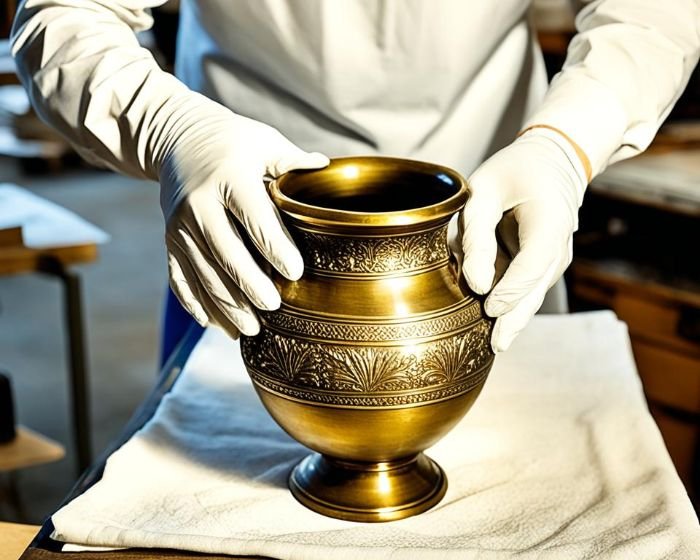
In the realm of collectibles and heirlooms, certain metal artifacts stand as testament to both history and craftsmanship. Particularly, antique brass items are often the centrepiece of a collection, necessitating an advanced level of care and periodic restoration to preserve their beauty and structural integrity. Recognising the right time for professional intervention can make the difference between a cherished relic and an irreparable artefact, as the nuances of restoring antique brass often stretch beyond the capabilities of even the most diligent DIY attempts.
Identifying which brass items require a professional’s touch is an essential aspect of antique preservation. It becomes necessary when the item in question harbours intricate details and historical significance that could be compromised by well-intentioned but unskilled hands. Any sign of severe corrosion, structural damage, or elaborate surface design warrants a consultation with an expert in professional brass restoration who can appraise the item and propose an appropriate treatment plan.
While the allure of DIY metal restoration lies in its accessibility and the personal satisfaction of hands-on care, there is an array of limitations that accompany this approach. The risk is particularly high when dealing with rare or valuable items, where an incorrect cleaning method could lead to permanent damage. Conversely, a professional restorer brings a wealth of experience and specialist resources to the task, providing peace of mind that the restoration will harmonise with the piece’s age and style. This meticulous attention to detail not only restores the items but also contributes significantly to maintaining, and sometimes enhancing, their historical and monetary worth.
In the preservation of brass items, each step is a delicate dance between maintaining its historical value and reviving its intrinsic splendour. The stages of restoration, from the initial removal of corrosive substances to the final application of a protective coating, are critical in reclaiming the brass’s lustre. This comprehensive guide has charted a path of restoration that, if followed rigorously, assures not only a restored brilliance but also the continued preservation of the metal’s character.
To summarise, successful restoration begins with a thorough rinsing to neutralise any bleach residue. Natural cleaners such as lemon juice and baking soda are then employed, avoiding harsh chemicals, to gently remove tarnish and prepare the metal for polishing. Select polishes like Brasso or Bar Keepers Friend come highly recommended for reviving brass lustre. The finale involves the application of protective coatings for brass to repel future tarnish and ensure lasting beauty.
A staunch regimen of brass care and maintenance is paramount to preserve the metal’s aesthetic appeal. Employing safe brass cleaning methods ensures that items remain untarnished for longer periods. While DIY methods are adequate for routine upkeep, for items of exceptional value, considering professional restoration services is advisable to safeguard against inadvertent damage. Ultimately, it is care, consideration, and regular maintenance that will enable the brass to maintain its radiance, ensuring these cherished items continue to bring warmth and elegance into our living spaces for years to come.
To restore brass surfaces damaged by bleach, begin with a thorough rinse to neutralize any remaining bleach. Then, create a mixture of lemon juice and baking soda to clean the brass gently. Once the surface is clean, use a suitable brass polish to restore the shine and finish with a protective coating like lacquer to prevent future tarnishing.
Neutralizing bleach on metal, particularly on brass, is critical because it stops the active chemical reaction that can further tarnish, discolour, or even corrode the brass. Thorough rinsing with water is usually an effective way to neutralize residual bleach.
Natural cleaners for brass include a mixture of lemon juice and baking soda, vinegar and salt solution, and flour-based pastes. These gentle cleaners can be effective at removing tarnish without the harmful effects that may come with some chemical cleaners.
Good brass polishes available in the market include Brasso, Bar Keepers Friend, and Mr. Metal. These products are formulated to restore the lustre of brass objects while providing some protection against future tarnish.
To apply a protective coating to brass objects, ensure the surface is clean and dry. Use a soft brush or cloth to apply a thin layer of brass lacquer. Allow it to dry according to the product instructions and apply additional coats if necessary for increased protection.
Regular maintenance to preserve brass lustre includes gentle cleaning with a soft cloth and natural cleaners, prompt polishing when signs of tarnish appear, and minimizing direct handling to avoid oils from hands. To further protect the brass, keep it in a low-humidity environment and apply periodic protective coatings.
Professional brass restoration services should be sought for valuable, antique, and intricately detailed brass items that require delicate handling or for any item where a DIY approach could lead to further damage or devalue the object.
Professional brass restoration services offer expertise in dealing with complex restoration tasks and are more likely to preserve the integrity and historical value of antique items. Whereas, DIY methods are good for less valuable items and may be more cost-effective but carry the risk of using incorrect cleaning methods or causing further damage.
The benefits of applying protective coatings to brass include the prevention of tarnish and corrosion, a maintained polished appearance for longer periods, and reduced frequency of cleaning and polishing requirements. Protective coatings essentially act as a barrier against environmental factors that cause deterioration.


