
- 22/09/2025
- Category: Expert Tips
- Author: Kristian Yordanov
- 66
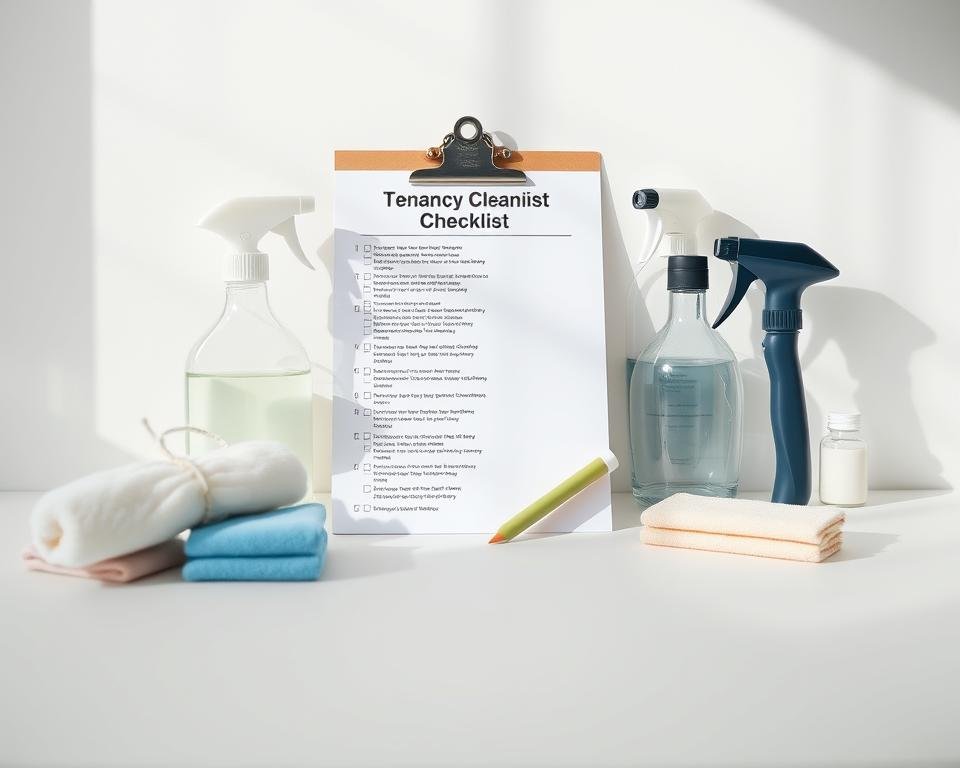
Did you know that nearly 56% of deposit disputes stem from cleaning issues? In the realm of tenancy cleaning, not meeting the required standards can result in significant financial losses for tenants. The Tenant Fees Act 2019 clarifies that landlords cannot demand professional cleaning services. Yet, tenants must still return the property in a clean and tidy state. This article will explore the most frequent mistakes that cause tenancy cleaning failures. We aim to equip you with the knowledge to steer clear of these pitfalls and ensure a successful end-of-tenancy clean.
Kitchens and bathrooms require detailed cleaning, as they are often subject to rigorous inspections. Many tenants miss crucial details, leading to subpar cleaning. This neglect, including grease and limescale removal, can greatly affect the cleanliness perception.
Removing grease from ovens and extractor fans is essential. Unremoved grease not only looks bad but can also result in deposit deductions. A thorough clean involves wiping surfaces and using the right products to remove all grease. Ignoring this can undermine your cleaning efforts.
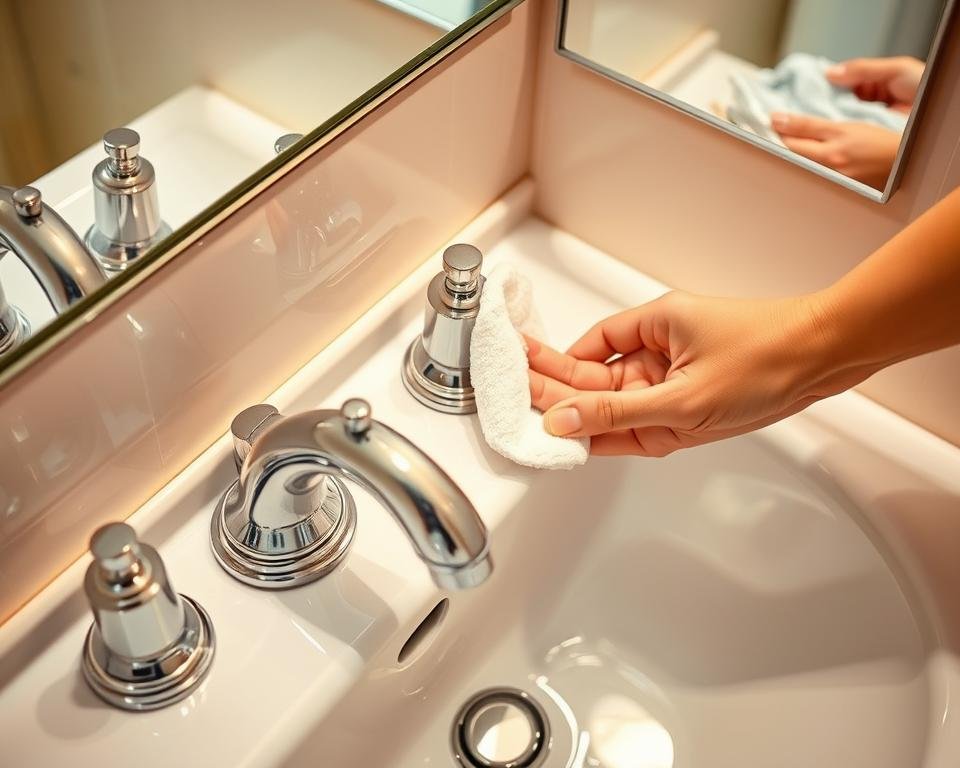
Bathroom taps, tiles, and showerheads need regular limescale cleaning. Neglecting these areas shows a lack of attention to detail, disappointing potential landlords. Preventing limescale build-up through regular maintenance keeps the bathroom looking fresh and inviting.
Thorough cleaning often overlooks vital fixtures and fittings, which gather dust and grime. Areas like skirting boards and curtain rails play a significant role in the cleanliness of a property. It’s crucial to focus on these often-neglected spots to achieve a high cleanliness standard.
Regular dusting of skirting boards and curtain rails is essential in fixtures cleaning. These surfaces are quick to collect dust, often being forgotten in a hectic cleaning schedule. By consistently paying attention to these details, properties can maintain a pristine appearance, meeting landlord expectations during inspections.
Fittings cleaning must also include high-touch areas like light switches and door handles. These surfaces frequently gather fingerprints and smudges, leading to an untidy look. Proper cleaning of these areas can significantly improve the overall impression during inspections, showcasing a dedication to cleanliness.
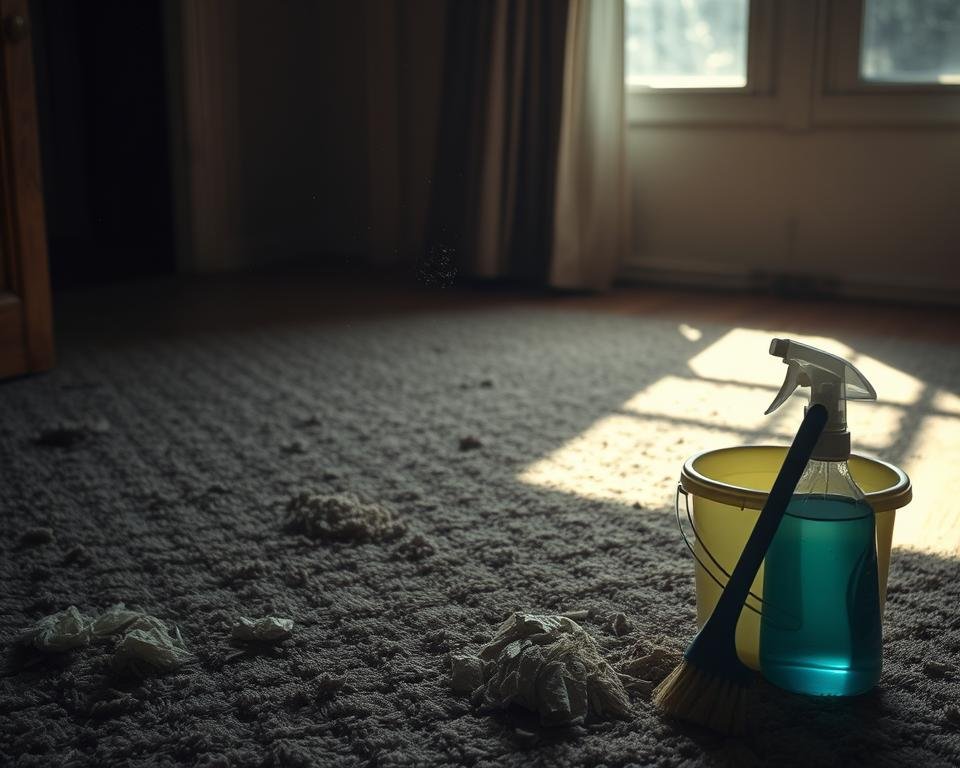
Carpet and flooring cleaning is vital, more so in areas with heavy foot traffic. Neglecting stains can lead to stubborn marks that are hard to remove. Landlords pay close attention to these areas, as they significantly impact the cleanliness assessment.
Stains can build up unnoticed in busy spots, creating a poor impression during inspections. Spotting these early can prevent the need for deep stains treatment. This saves tenants from cleaning deductions. Keeping carpets and floors clean is crucial.
Insufficient vacuuming allows dirt and dust to accumulate, mainly in corners and under furniture. This makes achieving cleanliness standards challenging. Using effective mopping techniques can improve hard flooring cleanliness, ensuring a thorough cleaning routine.
A common issue in tenancy cleaning is the discrepancy in cleanliness across different rooms. Tenants often focus their efforts on areas like the living room while allowing bedrooms and other spaces to fall behind. This inconsistent cleaning can raise concerns during inspections. Landlords expect a uniform level of cleanliness throughout the entire property.
While a living room may appear immaculate, the bedrooms often show signs of inadequate attention. Dust and dirt accumulation in these overlooked areas can lead to a negative impression during property inspections. Ensuring comprehensive cleaning in all rooms is vital to meet expectations from landlords.
Cleaning efforts frequently bypass hidden spaces, such as behind furniture and under beds. These overlooked areas can harbour dust, allergens, and unwanted debris. A thorough approach that includes these locations is essential for achieving optimal room cleaning, aiding in a better overall presentation of the property.
Lingering odours can significantly impact the outcome of a tenancy inspection. Unpleasant smells from cooking, pets, or dampness are major concerns for landlords. They expect properties to be fresh. Effective odour removal enhances living experience and boosts the home’s appeal.
Cooking odours can embed in fabrics and walls, while pet smells linger in carpets and upholstery. Ignoring these can lead to poor evaluations during cleanliness checks. To address these, air purification, thorough cleaning, and deodorisers are essential.
Cleanliness is crucial in appliances and waste disposal areas. An unchecked fridge, overflowing bins, or unclean drains cause persistent smells. These can pose health hazards. Regular cleaning must include detailed inspections of these areas to maintain freshness.

An effective cleaning strategy heavily relies on thorough planning to meet property standards. Rushed cleaning often leads to oversights, failing to impress landlords or letting agents.
Without a detailed checklist or clear cleaning order, tenants may miss key areas. Quick surface cleaning leaves stains and residue behind. This superficial cleanliness overlooks the need for deeper, more efficient cleaning.
The lack of a structured approach results in disorganised cleaning. A comprehensive checklist ensures every room and surface is covered. Without it, crucial tasks are often overlooked, leading to unsatisfactory results.
Surface cleaning that skips drying and polishing leaves smudges on countertops and appliances. Attention to detail is crucial. Simply wiping surfaces without drying leaves an untidy finish. An efficient cleaning method ensures surfaces are not only clean but also present well.
Adherence to letting agent standards in tenancy cleaning is crucial. Each agent has specific requirements, reflecting the property’s condition as per the check-out inventory. Failure to meet these standards often leads to deposit deductions, causing financial hardship for tenants. It’s vital for tenants to grasp the cleaning standards expected to prevent disputes with landlords.
Ensuring cleaning efforts match the property’s state at the tenancy’s start is essential. This includes thorough cleaning of all rooms, appliances, and fixtures. Adhering to these standards is critical to avoid disputes over deposit returns and maintain the property’s integrity.
While landlords can’t insist on professional cleaning, proof of cleaning is beneficial. Providing evidence, like cleaning service invoices, is wise. This documentation supports tenants in disputes over deposit returns, protecting them from unjust claims.
No, the Tenant Fees Act 2019 prohibits landlords from mandating professional cleaning services. Yet, tenants must ensure the property is clean to avoid deposit deductions.
Prioritise the oven, extractor fan, and all appliances. Leaving these spotless is crucial. Grease and grime can lead to significant deposit deductions.
Remove limescale from taps and tiles. Ensure the bathroom’s cleanliness meets the landlord’s expectations. Regular maintenance can prevent grime build-up.
Skirting boards, curtain rails, door handles, and light switches often hide dust and grime. Neglecting these can result in deductions from your deposit.
Focus on high-traffic areas to remove stains and vacuum thoroughly. Use deep cleaning for stubborn stains. This ensures carpets and floors are spotless.
Inconsistent cleaning, like a spotless living room but a neglected bedroom, can raise concerns. Ensure all rooms meet the same cleanliness standards to avoid deductions.
Remove all food from the fridge, empty bins, and clean damp areas. Consider deodorising to eliminate unpleasant smells.


