
- 16/03/2024
- Category: Expert Tips
- Author: Kris Foster
- 446
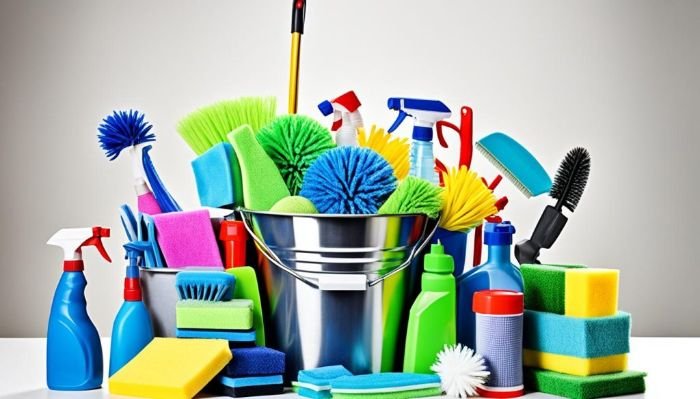
Did you know that exposure to cleaning products can lead to skin irritation, allergies, and respiratory issues?
Many people underestimate the potential dangers that cleaning products can pose to both our health and the surfaces we clean. From corrosive chemicals to improper usage, the risks are significant. However, by following safe cleaning practices, we can safeguard our surfaces and protect our well-being.
Acknowledging and implementing safe cleaning practices is crucial for protecting both our health and the surfaces we clean. It is important to be aware of the potential risks associated with using cleaning products, as they can have adverse effects on our well-being. Exposure to certain chemicals found in cleaning products can lead to skin irritation, allergies, and respiratory issues. Additionally, some cleaning products are corrosive and can cause skin burns and eye damage.
By utilizing safe cleaning practices, we can minimize these risks and safeguard our health. This involves using good work techniques and storing cleaning products safely to prevent exposure to harmful substances. Personal protective equipment, such as gloves and eye protection, should always be used when handling cleaning products. Proper hand care, including washing hands properly and using skin creams regularly, is also important in maintaining healthy skin. Furthermore, keeping the workplace well ventilated can reduce the concentration of chemicals in the air.
To emphasize the importance of safe cleaning practices, it is essential to have a clear understanding of the potential hazards associated with different cleaning products. Reading labels and following instructions is vital to ensure safe usage. In the following sections, we will provide more detailed information on understanding cleaning products, exploring natural alternatives, and discussing best practices to protect surfaces and maintain a healthy environment.
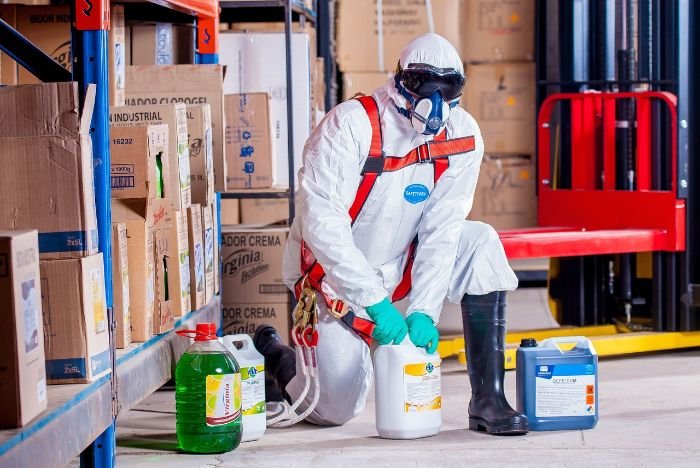
When it comes to maintaining a clean and hygienic environment, understanding your cleaning products is essential. The market is filled with various types of cleaning products that cater to specific cleaning needs. By knowing the different options available, you can choose the right products for safe and effective cleaning.
Chemical cleaners are commonly used for tackling tough stains and disinfecting surfaces. It’s important to follow the dos and don’ts when using these products to ensure safe usage and avoid any potential hazards.
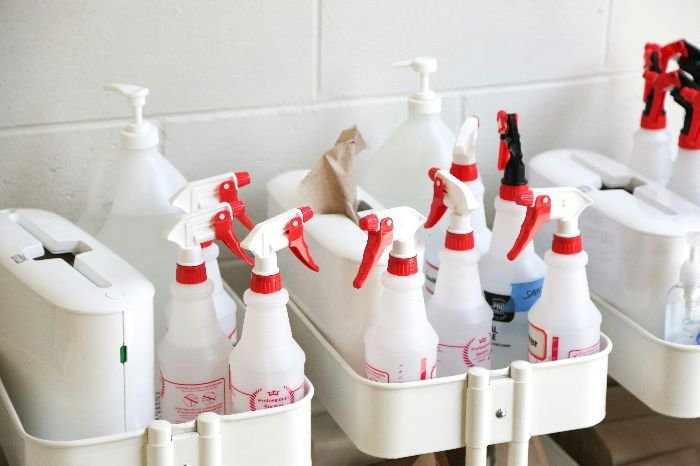
Understanding your cleaning products and following the recommended guidelines will help you maintain a clean and safe environment without compromising your health or the integrity of your surfaces. Remember to always read the labels, use chemical cleaners responsibly, and prioritize your safety.
When it comes to cleaning sensitive surfaces, it’s important to choose safe options that won’t cause any damage. Natural alternatives can be a great choice for those looking to avoid harsh chemicals. Vinegar, baking soda, and lemon juice are excellent natural cleaners that can effectively remove dirt and grime without harming sensitive surfaces. These alternatives are not only safe for use but also environmentally friendly.
However, before using any cleaning product, it’s crucial to test it on a small, inconspicuous area to ensure compatibility and prevent any potential damage. Testing cleaning products on a small area allows you to observe how the product interacts with the surface and determine if any adverse effects occur. This will help you avoid causing any harm to the larger area.
Another important consideration is to ensure compatibility between the cleaning products and the surfaces you’re cleaning. Different surfaces may react differently to cleaning solutions, and using the wrong product can lead to irreversible damage. Always read the labels of cleaning products carefully to determine if they are suitable for the particular surface you’re cleaning.
By opting for natural alternatives and following these testing tips, you can ensure that your cleaning routine is safe for sensitive surfaces while still maintaining cleanliness and hygiene.
In order to safeguard your surfaces and prevent damage, it is essential to follow best practices when cleaning and maintaining them. By using appropriate cleaning tools, avoiding abrasive materials, and applying gentle cleaning techniques, you can ensure the longevity and beauty of your surfaces.
Here are some specific recommendations for different surfaces:
By following these guidelines, you can effectively protect your surfaces from damage and maintain their appearance for years to come.
In conclusion, prioritizing safe cleaning practices is crucial for safeguarding your home and preventing damage to surfaces. By being knowledgeable about the potential risks associated with cleaning products, you can take proactive steps to protect your health and maintain the longevity of your surfaces.
We encourage you to stay informed about the latest guidelines and recommendations for safe cleaning practices. Continuously learning and implementing these practices will help you reduce exposure to harmful substances and minimize the risk of skin irritation, allergies, respiratory issues, and other health concerns.
Remember, the benefits of knowledgeable cleaning extend beyond just home safety. By using appropriate cleaning techniques and environmentally-friendly alternatives, you contribute to a healthier living environment for you and your family. Additionally, by taking care of your surfaces, you can ensure their longevity and save on costly repairs or replacements in the long run.
So, equip yourself with the necessary knowledge, practice safe cleaning habits, and make informed choices when it comes to selecting cleaning products. By doing so, you can create a clean and healthy home while minimizing the potential risks and damage associated with cleaning.
Exposure to cleaning products can lead to skin irritation, allergies, and respiratory issues. Some cleaning products are corrosive and can cause skin burns and eye damage.
Using good work techniques and storing cleaning products safely can help prevent exposure. It is important to use personal protective equipment, such as gloves and eye protection, when handling cleaning products. Proper hand care, including washing hands properly and using skin creams regularly, is also important. Additionally, keeping the workplace well ventilated can reduce the concentration of chemicals in the air.
No, mixing different cleaning products can be dangerous and should be avoided. It is best to follow the instructions on the labels and use each product as intended.
Yes, there are natural alternatives that can be used for cleaning sensitive surfaces. Vinegar, baking soda, and lemon juice are effective natural cleaning agents that can be used in place of harsh chemical cleaners.
It is important to test cleaning products on small, inconspicuous areas before using them on larger surfaces. This will help determine if the product is compatible with the surface and prevent potential damage.
When cleaning, it is important to use appropriate cleaning tools and avoid abrasive materials that can cause damage. Using gentle cleaning techniques and following the instructions on the cleaning product labels are also key in protecting surfaces.


