
- 07/03/2024
- Category: Move In Out Service
- Author: Kris Foster
- 484

Moving out of a rental property can be challenging, especially when you have pets. As a responsible pet owner, you want to ensure that your furry friend’s presence doesn’t leave a mark on the property. But how can you effectively clean up after your pet at the end of your tenancy and secure your security deposit back?
In this guide, we will provide you with a step-by-step pet cleanup guide specifically tailored for the end of tenancy. We’ll cover everything from dealing with pet hair and stains to cleaning outdoor areas and pet accessories. By following these tips, you’ll leave the property in a clean and satisfactory condition, increasing your chances of receiving your full security deposit back.
Moving out of a rental property can be challenging, especially when you have pets. Thorough cleaning is essential to meet the expectations of landlords and letting agents, ensuring that you receive your full security deposit back. For pet owners, navigating the end-of-tenancy cleaning process may require some additional considerations. This section will provide you with valuable end of tenancy cleaning tips and a pet cleanup checklist to guide you through the process.
Cleaning up after pets requires attention to detail and a systematic approach. By following a pet cleanup checklist, you can ensure that all necessary tasks are covered, leaving your rental property in pristine condition. From eliminating pet odors to removing fur from furniture and floors, this guide will take you through the essential steps to complete end-of-tenancy pet clean-up successfully.
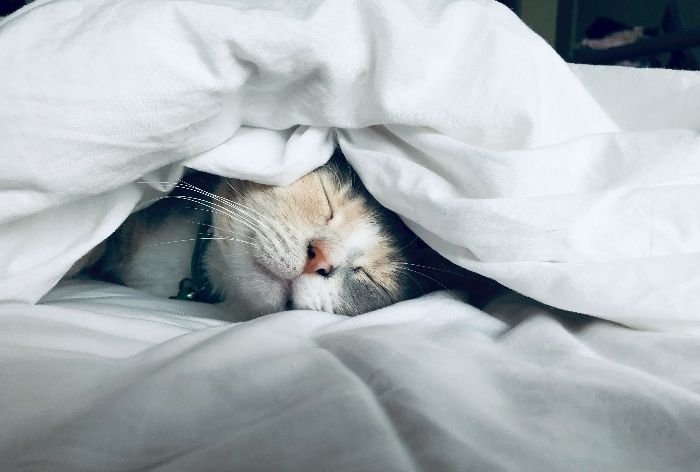
First and foremost, it’s important to address any pet-specific challenges that may arise during the cleaning process. This includes dealing with pet hair, stains, and odors. By using the right supplies and techniques, you can effectively tackle these challenges to ensure a thorough clean.
Throughout this section, we will provide you with expert tips on preparing for pet-specific cleaning challenges, including a comprehensive list of essential supplies for pet clean-up. We’ll guide you through the step-by-step process of eliminating pet odors and stains, as well as techniques for fur removal from furniture and floors. Additionally, we’ll cover special considerations for outdoor areas and cleaning pet accessories.
By the end of this guide, you’ll have all the knowledge and tools necessary to navigate the end-of-tenancy pet clean-up process with ease. Let’s get started on ensuring a pet-free and clean property!
In order to effectively clean up after your pets at the end of a tenancy, it’s important to be prepared for the unique challenges that pet owners face. From pet hair and stains to odors, there are specific supplies you’ll need to ensure a thorough clean. Here’s a detailed list of essential pet cleaning supplies:
While having the right supplies is crucial, it’s equally important to have a clear plan of action. Referring to an end-of-tenancy cleaning checklist can help you stay organized and ensure that you don’t miss any important tasks. A thorough cleaning checklist will cover all the areas of your home that need attention, including those that are often overlooked.
By following a checklist, you can systematically clean each room and address specific pet-related cleaning challenges. It will help you prioritize tasks, manage your time effectively, and ensure that every aspect of the end-of-tenancy clean-up is completed to a high standard.
If you’re a pet owner, you know how challenging it can be to keep your home clean and odor-free. Pet odors and stains can be particularly stubborn and difficult to eliminate. However, with the right techniques and tools, you can effectively tackle these issues and restore your home to its fresh and clean state. In this section, we will provide you with a step-by-step guide on how to eliminate pet odors and stains from various surfaces, including carpets, upholstery, and hard floors.
Fur is a common issue for pet owners, and it can accumulate on furniture and floors, making your home look untidy. Here are some techniques to help you remove fur effectively:
In addition to removing fur, it’s important to deep clean your carpets and upholstery to eliminate pet odors and stains. Here’s how:
By following these techniques for fur removal and deep cleaning, you can ensure that your home remains fresh, clean, and free from pet odors and stains. Remember, regular maintenance and cleaning are key to keeping your home in top condition, even with pets around!
When it comes to end-of-tenancy pet clean-up, it’s important not to neglect the outdoor areas and pet accessories that may have been affected by pets. Properly cleaning and maintaining these areas can ensure a thorough and satisfactory clean, leaving no trace of pet-related issues behind.
One key aspect of cleaning outdoor areas is addressing any pet waste that may be present. It’s essential to remove pet waste promptly to prevent odors and maintain a hygienic environment. Use appropriate tools, such as gloves and waste bags, to safely clean up and dispose of the waste.
Aside from waste removal, it’s crucial to sanitize the surfaces in outdoor areas, such as gardens, balconies, and patios. Use pet-safe cleaning products to eliminate any lingering bacteria or odors. Pay special attention to areas where pets frequently spend time, as these may require more thorough cleaning.
In addition to outdoor areas, don’t forget about cleaning and maintaining pet accessories. Crates, litter boxes, and toys can accumulate dirt, germs, and pet hair over time. Regularly clean and disinfect these items to provide a clean and safe environment for your pet.
To provide a visual guide on how to clean outdoor areas and pet accessories, refer to the image below:
“Proper cleaning of outdoor areas and pet accessories is essential for a thorough end-of-tenancy pet clean-up. By addressing pet waste, sanitizing surfaces, and maintaining pet accessories, you can leave the property in a clean and satisfactory condition.”
As you near the end of your tenancy, it’s crucial to understand the importance of a final inspection. This process ensures that your property is not only pet-free but also clean to meet the expectations of your landlord or letting agent. During the inspection, any potential pet damage will be assessed, and it’s essential to address any repairs before the final assessment.
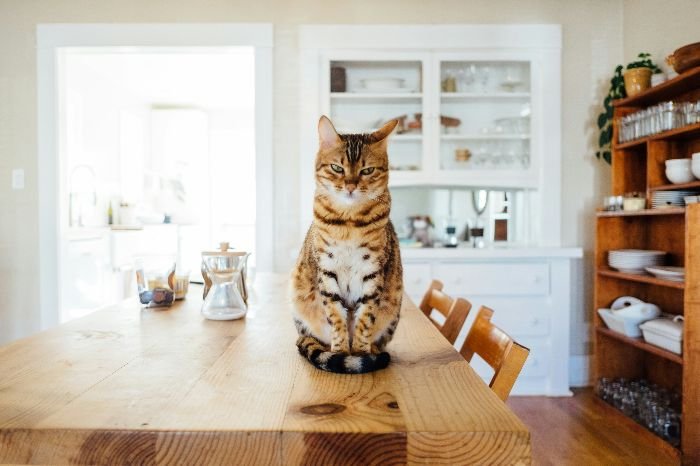
Repairing pet damage can range from simple fixes, such as repairing scratched surfaces or patching up small holes, to more extensive repairs like replacing damaged flooring or repairing furniture. Taking care of these repairs before the inspection can help you secure your security deposit and maintain a good relationship with your landlord or letting agent.
For a thorough and satisfactory end-of-tenancy clean, you may consider hiring professional cleaning services. Professional cleaners have the expertise and equipment to handle pet-related challenges effectively. They can eliminate stubborn pet odors, deep clean carpets and upholstery, and ensure all surfaces are spotless. Investing in these services can give you peace of mind and save you valuable time and effort.
Remember, a final inspection is your last chance to leave a positive impression and secure your security deposit. By ensuring the property is pet-free and clean, addressing any necessary repairs, and considering professional cleaning services, you maximize your chances of a successful end of tenancy.
End-of-tenancy pet clean-up refers to the process of thoroughly cleaning a rental property that has been occupied by pets before the end of the tenancy. It involves removing pet hair, stains, and odors to ensure the property is left in a clean and satisfactory condition to receive the full security deposit back.
Thorough cleaning at the end of a tenancy is important to meet the expectations of landlords and letting agents. It helps ensure that the property is in good condition for the next tenant and increases the chances of receiving the full security deposit back. Cleaning up after pets is especially crucial as pets can leave behind traces of hair, stains, and odors.
The end-of-tenancy pet cleaning process typically involves several steps. These include removing pet hair from furniture and floors, deep cleaning carpets and upholstery to remove stains and odors, cleaning outdoor areas affected by pets, and ensuring pet accessories such as crates and litter boxes are clean and in good condition. Following a pet cleanup checklist can help ensure all necessary tasks are covered.
Pet owners may face unique challenges during end-of-tenancy cleaning, such as dealing with pet hair, stains, and odors that may require extra cleaning efforts. They may also need to address any damage caused by pets, both indoors and in outdoor areas. Ensuring a pet-free and clean property for the final inspection can be another challenge pet owners may face.
To eliminate pet odors and stains, there are specific techniques you can use. For fur removal from furniture and floors, you can try using lint rollers, rubber gloves, or vacuum cleaners with pet hair attachments. Deep cleaning carpets and upholstery is vital to remove embedded pet hair and odors. Using pet-safe cleaning products specifically designed for odor and stain removal can be effective as well.
During the final inspection, it’s essential to ensure that the property is pet-free and clean. This may involve repairing any pet damage that may have occurred during the tenancy, such as scratched furniture or damaged carpets. Hiring professional cleaning services can help ensure a thorough and satisfactory clean for the end of tenancy, increasing the chances of receiving the full security deposit back.


