
- 07/10/2025
- Category: Expert Tips
- Author: Kristian Yordanov
- 60
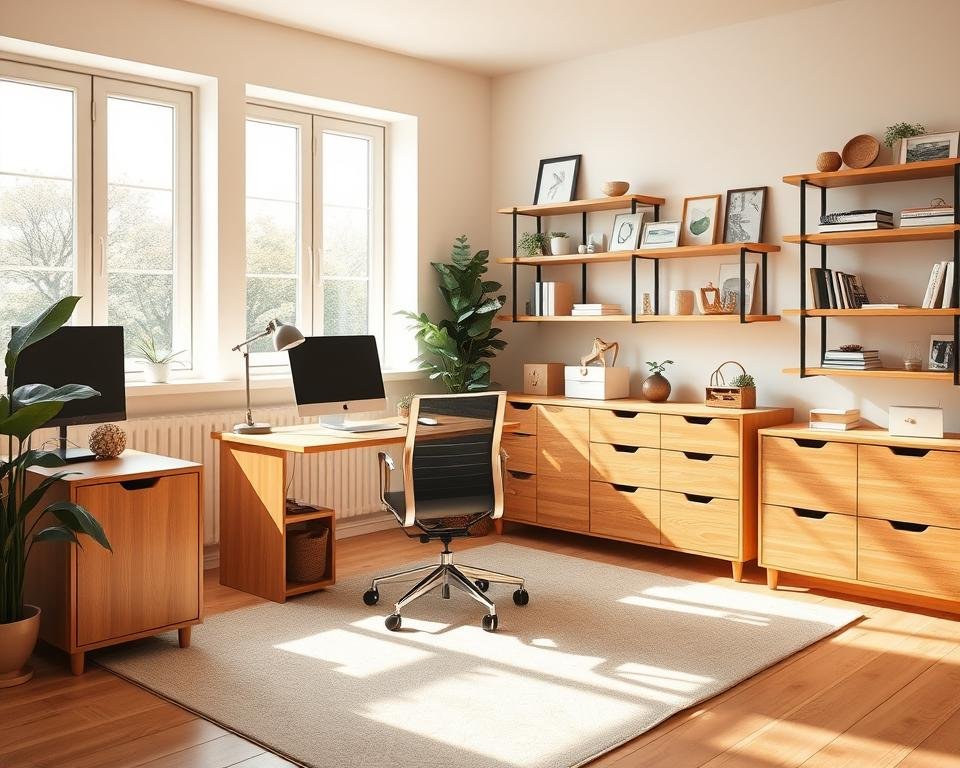
Ever thought about how furniture organisation affects your end of tenancy cleaning? The setup of your living space is key. It not only boosts cleaning team efficiency but also ensures you get your deposit back. We’ll share practical tips and strategies to help you organise your furniture before the cleaners arrive. This will lead to a smooth cleaning process and a pristine property.
The way furniture is arranged greatly affects the success of end of tenancy cleaning. Ensuring that professional cleaners have full access to all areas is crucial. This allows them to clean thoroughly and efficiently, covering every inch of the space.
For a room to be cleaned effectively, every area must be reachable. The right placement of furniture makes this possible, improving the cleanliness outcome. If certain spots are inaccessible, the cleaning quality may suffer, potentially jeopardising your deposit return.
Obstructive furniture can cause cleaners to miss important areas. This oversight might necessitate extra cleaning sessions, increasing both time and expense. By focusing on the best furniture arrangement, you avoid these problems and ensure a smooth cleaning process.
Begin by conducting a detailed room-by-room review of your furniture. This methodical approach helps you identify which items need to be moved and which can stay put. For example, heavy furniture like beds or large sofas might not need to be shifted if the surrounding areas are easily accessible for cleaning.
When assessing, focus on spotting heavy items crucial to each room. If they don’t block cleaning paths, leaving them in place can save time and effort. Prioritising these items ensures a smoother preparation phase and lessens the risk of damage to both the furniture and the floor.
It’s also vital to note fragile items and any furniture that’s been taken apart. Clearly mark these pieces, highlighting the need for extra care during cleaning. This step ensures delicate or easily damaged items get the attention they need, reducing the risk of accidents and keeping them in good condition.

Ensuring proper furniture spacing around high-clean areas is vital for a deep clean. It’s important to have enough room around windows, kitchen units, and bathroom fittings. This allows professional cleaners to reach these often-neglected spots easily.
Creating enough space around these areas improves cleaning access. It prevents dust or grime from building up in hard-to-reach spots. This approach not only leads to a cleaner result but also boosts the space’s visual appeal.
Accessing the areas behind and beneath large furniture is key. Moving sofas and beds from walls makes cleaning faster and more efficient. This focus on high-clean areas greatly enhances the effectiveness of end-of-tenancy cleaning.

Efficient cleaning demands careful organisation, notably with small furniture. Stacking lightweight chairs and side tables in a corner is a smart move. It clears clutter and allows the cleaning team to work without interruptions.
Gathering small furniture pieces optimises floor space. This consolidation makes it simpler for cleaners to reach every part of the room. It also avoids the delays caused by furniture movement during cleaning.
Clear pathways are crucial for efficient cleaning. With small furniture grouped, cleaners can move freely. This strategy boosts cleaning effectiveness, ensuring every area is well cleaned. The result is a spotless, welcoming space at the end of your tenancy.
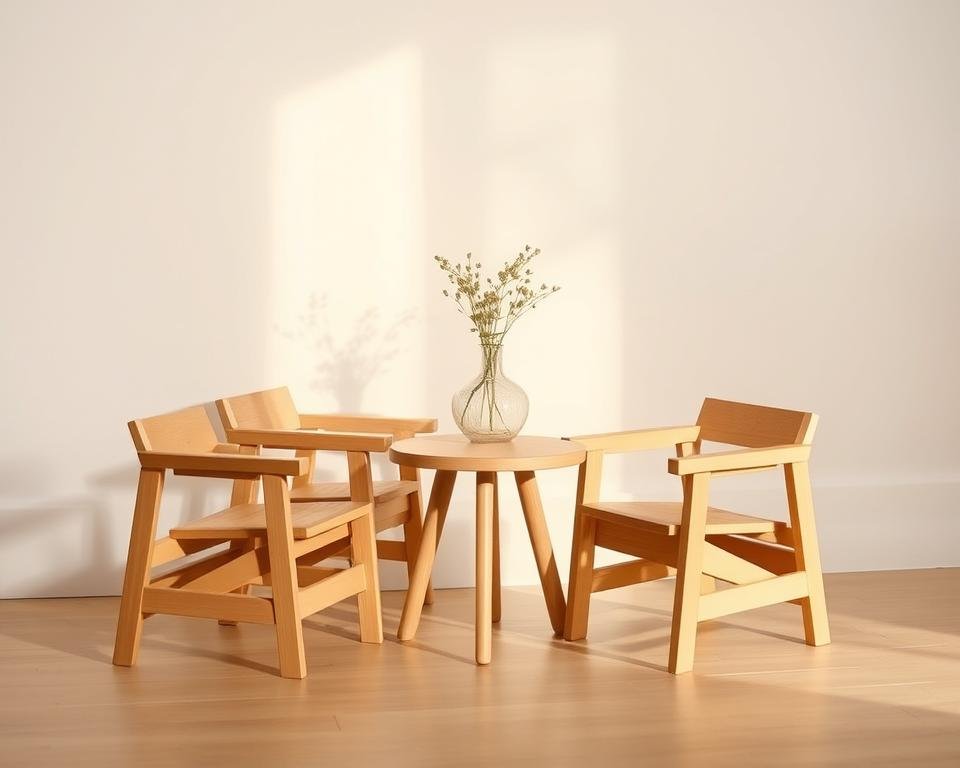
Preparing for a deep clean can be made easier by relocating furniture. Moving items to another room allows cleaning teams to access all areas effectively. This is crucial for a complete clean, ensuring surfaces are thoroughly cleaned without any obstructions.
It’s wise to move furniture from the room being deep cleaned. This creates a clear space, vital for a comprehensive clean. Such a move boosts the cleaning’s effectiveness, ensuring no spot is missed.
A clean surface is key to a fresh environment. It enables thorough vacuuming and floor washing, enhancing the property’s cleanliness. Cleaning without furniture in the way leads to a more effective end of tenancy clean.
Before the cleaning team arrives, it’s crucial to protect furniture that will stay in the property. Shielding these items from dust and cleaning agents helps maintain their condition. Simple yet effective steps can significantly enhance surface preservation.
Using cloth or plastic sheets as coverings for furniture acts as a protective barrier. This method prevents damage and dust accumulation during cleaning. It notably reduces the risk of stains or harm from cleaning products on your furniture surfaces.
Protecting your furniture’s integrity is essential. Cleaning products often contain harsh chemicals that can damage wooden surfaces or fabric upholstery. Implementing effective protection strategies ensures your belongings remain in top condition, even after the cleaning is done.
As you prepare for the deep clean of your property, having a final checklist is crucial. Taking inventory photos of your belongings is an effective practice. These photos serve as crucial records of your furnishings and spaces’ condition. They provide peace of mind and help address any future discrepancies.
Proactive cleaning communication with your team is equally important. Inform them about any immovable items that may hinder their tasks. This transparency manages expectations and ensures a seamless cleaning process. It allows the cleaners to focus on areas needing their attention.
By following these steps and preparing adequately, you’ll create an environment conducive to a thorough deep clean. Clear dialogue and helpful inventory photos will ensure a successful outcome for both you and the cleaning team.


