
- 28/02/2024
- Category: Expert Tips
- Author: Kris Foster
- 484
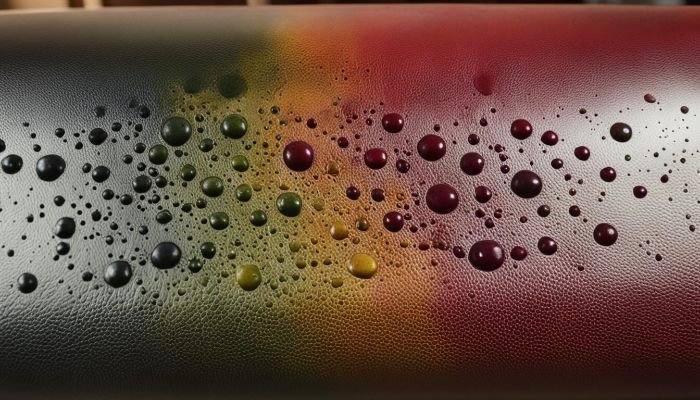
Did you know that leather furniture can be stained easily, even by the slightest spill? Whether it’s a coffee stain, ink mark, or greasy smudge, these blemishes can quickly ruin the appearance of your prized leather sofa or chair. But fear not! In this article, we will share expert tips and techniques to help you effectively remove stains from your leather furniture, restoring its original beauty. So, let’s dive in and discover how to conquer those pesky stains once and for all.
Leather furniture is available in various types, each with its own unique characteristics and cleaning requirements. Some common types of leather include aniline-dyed leather, pigmented leather, and semi-aniline leather. It is important to understand the specific type of leather you have in order to provide proper care and cleaning.
Aniline-dyed leather, for example, is known for its natural and luxurious appearance. It is important to handle this type of leather with care and use specialized cleaning products designed for aniline leather. On the other hand, pigmented leather, which is coated with a protective layer, is more durable and easier to clean.
Regardless of the type of leather, it is crucial to use appropriate cleaning methods to prevent damage. Using the wrong cleaning products or techniques can lead to discoloration, cracking, or other forms of damage.
Before starting the leather cleaning process, it is essential to properly prepare the surface. This involves removing any loose dirt or debris, as well as testing the cleaning products on a small, inconspicuous area to ensure compatibility.
Start by gently dusting the leather furniture with a soft cloth or brush to remove any loose particles. If there are stubborn stains or spills, use a slightly damp cloth to blot them, taking care not to rub or scrub vigorously, as this can damage the leather.
If the entire surface of the leather furniture needs cleaning, consider using a specially formulated leather cleaner. Follow the manufacturer’s instructions and use a soft cloth or sponge to apply the cleaner in gentle, circular motions. Wipe away the excess cleaner with a clean, dry cloth.
Having the necessary cleaning products and tools on hand is important for a smooth cleaning process. Some essential leather cleaning products include leather conditioners, leather wipes, and stain removers. Investing in high-quality, reputable brands will ensure effective and safe cleaning results.

When it comes to cleaning leather, it’s important to follow certain dos and don’ts to ensure that the leather stays in optimal condition. Here are some important guidelines to keep in mind:
By following these dos and don’ts, you can ensure that you clean your leather furniture effectively without causing any damage.
Not all leather stains require harsh chemicals or specialized cleaning products. There are gentle cleaning solutions that can be used for everyday stains. Here are a few natural stain removers that can effectively remove common stains from leather:
These gentle cleaning solutions are safe to use on most types of leather and can effectively remove everyday stains. However, it’s always important to test any cleaning method on a small, inconspicuous area first.

Certain types of stains, such as ink, grease, and beverage stains, can leave unsightly marks on leather surfaces. To effectively remove these stains and restore the appearance of your leather furniture, it is important to follow proper care and treatment methods. This section will provide detailed instructions on how to tackle these specific types of stains on leather.
When it comes to ink stains on leather, it is crucial to act quickly. Blot the stain gently with a clean cloth to remove any excess ink. Avoid rubbing the stain as it can spread further. Then, apply a small amount of mild soap or detergent mixed with warm water to a clean cloth and gently dab the stained area. Rinse the soap residue with a clean, damp cloth and dry the leather thoroughly.
Grease stains on leather can be stubborn, but they can be effectively treated with a few simple steps. Start by blotting the stain with a clean cloth to absorb any excess grease. Avoid using water on grease stains as it can spread the stain. Instead, sprinkle a small amount of cornstarch or talcum powder on the stain and let it sit for several hours to absorb the grease. Then, gently brush off the powder and wipe the area with a clean, damp cloth. Dry the leather thoroughly.
Beverage stains on leather can be challenging to remove, especially if they have set in. Start by blotting the stain with a clean, dry cloth to remove any liquid. Mix a small amount of mild soap or detergent with warm water and apply it to a clean cloth. Gently dab the stained area, taking care not to oversaturate the leather. Rinse the soap residue with a clean, damp cloth and dry the leather thoroughly.
Some stains on leather may be more stubborn and require additional steps or specialized products for effective removal. If you’re dealing with tough stains, it is recommended to consult a professional leather cleaner or upholstery expert who can offer the best advice and assistance. They have the expertise and knowledge to safely treat and remove stubborn stains without causing further damage to the leather.
Remember, it’s always important to test any cleaning solution or method on a small, inconspicuous area of the leather before treating the entire stain. This helps ensure that the solution does not interact negatively with the leather and cause any discoloration or damage.
Once you have successfully removed stains from your leather furniture, it is vital to provide proper aftercare to protect the material and maintain its condition. One essential step in leather aftercare is conditioning the leather after cleaning. Conditioning helps to keep the leather soft, supple, and resistant to future stains and damage.
To condition your leather furniture, choose a high-quality leather conditioner that is suitable for the type of leather you have. Apply a small amount of conditioner to a clean, soft cloth and gently rub it onto the surface of the leather. Make sure to cover the entire surface, including the back and sides of the furniture. Allow the conditioner to absorb into the leather for the recommended amount of time specified by the manufacturer.
After the conditioning agent has penetrated the leather, use a separate clean cloth to buff the surface gently. This helps to remove any excess conditioner and achieve a polished look. Conditioning your leather furniture regularly, according to the manufacturer’s instructions, will help to keep it in optimal condition and prolong its lifespan.
Preventing stains and damage to your leather furniture is an important aspect of leather care. By taking proactive steps, you can minimize the risk of unsightly stains and maintain the beauty and longevity of your leather furniture.
Removing stains from leather furniture requires the right knowledge, tools, and techniques. By following the best practices outlined in this article, you can effectively remove stains from leather and maintain its beauty for years to come.
Throughout this guide, we have discussed the different types of leather and their specific cleaning needs. We have also emphasized the importance of preparing the leather before cleaning to prevent further damage.
Additionally, we have provided general best practices for leather stain removal, including the dos and don’ts of leather cleaning. We have also shared gentle cleaning solutions that can be used for everyday stains, as well as tips for tackling specific types of stains such as ink, grease, and beverage stains.
Finally, we have highlighted the significance of aftercare in protecting leather furniture post-cleaning. Conditioning leather after cleaning helps keep it soft, supple, and resistant to future stains and damage. We have also provided preventative measures to minimize the risk of staining and damage to leather furniture.
By following these guidelines and incorporating them into your leather care routine, you can enjoy stain-free and pristine leather furniture for years to come.
To effectively remove stains from leather furniture, it is important to understand the different types of leather and their cleaning needs. Preparing the leather before cleaning is also crucial to avoid causing further damage to the material.
Leather comes in various types, such as aniline-dyed leather and pigmented leather. Each type has its own characteristics and requires specific care. Understanding the different types of leather and their cleaning needs will help ensure safe and effective stain removal.
Before cleaning leather, it is important to properly prepare the surface. This may involve cleaning the entire surface with a leather cleaner or removing any excess dirt or contaminants. Additionally, having the necessary cleaning products and tools on hand will make the process more efficient.
Not all leather stains require harsh chemicals. There are gentle cleaning solutions that can be used for everyday stains, such as natural stain removers. These solutions are safe to use on most types of leather and can effectively remove common stains.
After removing stains from leather, it is important to provide proper aftercare to protect the material and maintain its condition. Conditioning leather after cleaning helps to keep it soft, supple, and resistant to future stains and damage.


