
- 06/10/2025
- Category: Landlords
- Author: Kristian Yordanov
- 40
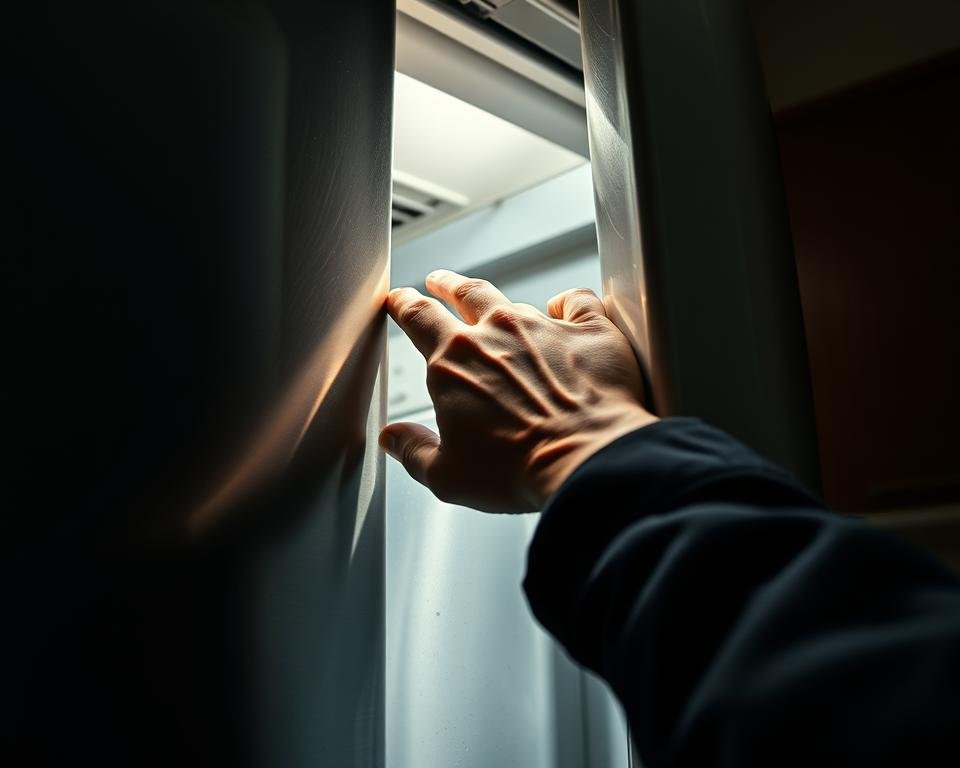
Ever pondered the secrets behind your kitchen appliances? For landlords, these hidden spots are key during inspections. These checks aren’t just about looks; they uncover crucial information on tenant responsibility and property condition. They also ensure compliance with the Homes (Fitness for Human Habitation) Act 2018.
By exploring the spaces behind appliances, landlords can spot neglect, pest issues, and heavy grime. Such findings can harm their investment and the living conditions for tenants.
The space behind appliances is often overlooked during routine cleaning, leading to potential issues related to property upkeep. Neglect in these hidden areas can foster an environment ripe for problems. This may impact both tenant satisfaction and landlord responsibilities.
Areas behind appliances frequently accumulate dirt and dust, overlooked by tenants. This lack of attention can conceal not only grime but also signs of disrepair that may worsen over time. Identifying these neglected spaces helps landlords address maintenance requirements. It ensures they uphold their commitment to ensuring a safe living environment.
Regular inspections behind appliances help landlords detect damage and pest issues early on. Pests can thrive in unseen spots, posing a challenge for property upkeep. By identifying these signs, landlords can fulfil tenant responsibilities and initiate pest control measures promptly. This fosters a healthier space for all residents.
Keeping the areas behind kitchen appliances clean is vital for a hygienic home. Appliances like fridges, washing machines, cookers, dishwashers, and tumble dryers often hide dirt and grime. Regular cleaning prevents unsanitary conditions and reduces pest risks.
Fridges can trap food particles and moisture, leading to bad smells and food safety issues. Washing machines harbour lint and residue, causing mildew. Cookers accumulate grease and food, posing fire hazards if not cleaned often. These appliances need careful maintenance to stay safe and functional.
Dishwashers also need thorough cleaning. Food debris behind them can cause bad smells and attract pests. Tumble dryers collect lint, a fire risk if not cleaned. Both appliances benefit from regular cleaning to ensure they work well and safely.
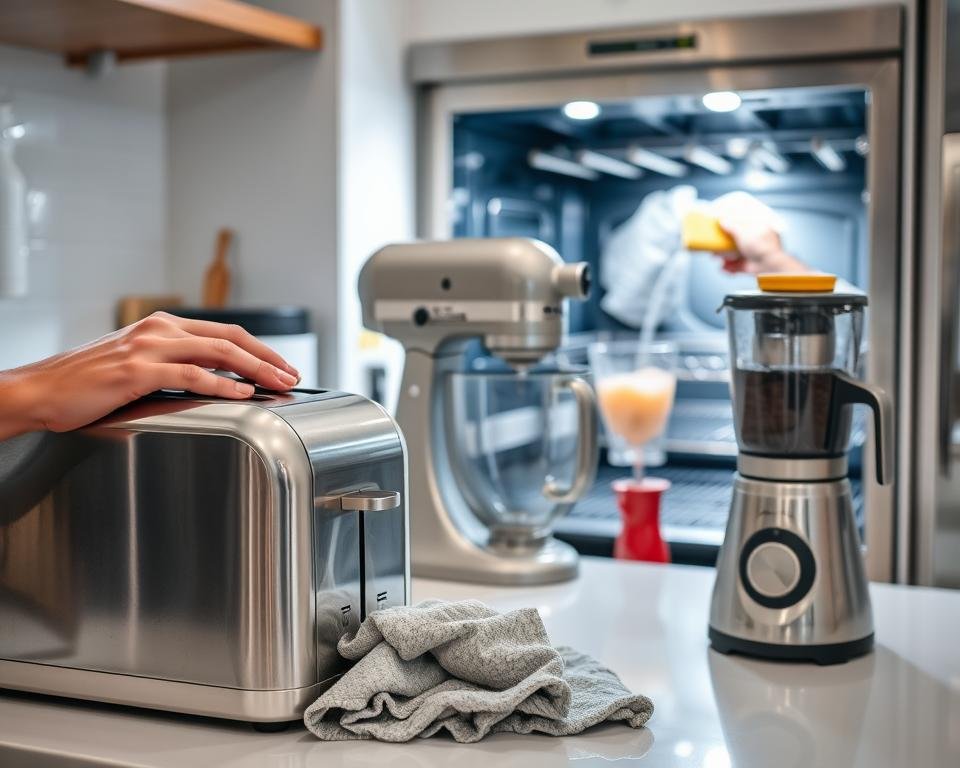
During the final inspection, landlords assess the property’s cleanliness against set standards. A well-maintained property reflects the tenant’s commitment. Attention to detail helps avoid deposit disputes and ensures a smooth transition.
Landlords scrutinise kitchens and living areas for neglect signs. Food crumbs, grease, or stains indicate poor property care. Keeping these areas clean is crucial for both appearance and hygiene.
Skirting boards, flooring, and walls are also under the microscope. They must be dust-free and mark-free. Thorough cleaning of these areas meets landlord expectations and underscores the need for cleanliness throughout the tenancy.
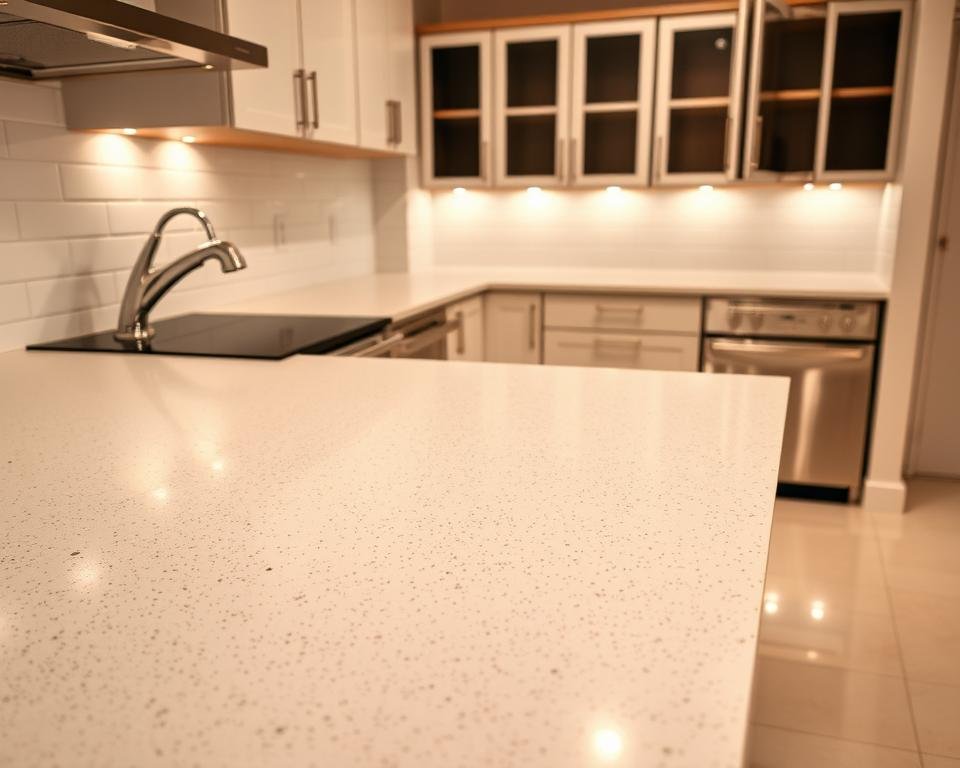
Cleaning goes beyond what we can see. The areas behind appliances are often overlooked. If ignored, these “missed cleaning zones” can lead to serious consequences, including deposit deductions. Many tenancy agreements outline cleaning duties. Failure to comply can result in financial penalties.
Landlords may classify uncleaned spaces behind appliances as missed cleaning zones. This classification can result in financial penalties for tenants, including deposit deductions. It’s vital for tenants to remember that all areas, including hidden ones, must be kept clean to meet cleanliness standards.
Ignoring cleaning duties can lead to unexpected charges for extra cleaning or pest control. If a landlord decides further action is needed due to unclean areas, it can significantly reduce the deposit. It’s essential for tenants to understand their rights regarding cleaning obligations to avoid these penalties and ensure a smooth tenancy end.
Cleaning behind large appliances, such as fridges and washing machines, demands careful attention. This is to prevent damage to both the appliances and the surrounding areas. A series of maintenance tips can guide you through the process, ensuring a clean and safe environment.
Before you start cleaning, make sure appliances are unplugged. This step is crucial to avoid any electrical risks while moving them. Use a sturdy dolly or appliance slider to shift the units, reducing strain on floors and preventing scratches. Always keep a clear path to avoid unexpected damage to walls or other fixtures during movement.
Having the right tools makes cleaning much easier. Basic essentials include brooms, vacuums, and extension hoses that can reach those tricky spots. For cleaning agents, a multi-surface spray is ideal for eliminating accumulated dust and grime efficiently. Combining safe cleaning methods with these tools will enhance the overall outcome and maintain a hygienic environment behind your appliances.
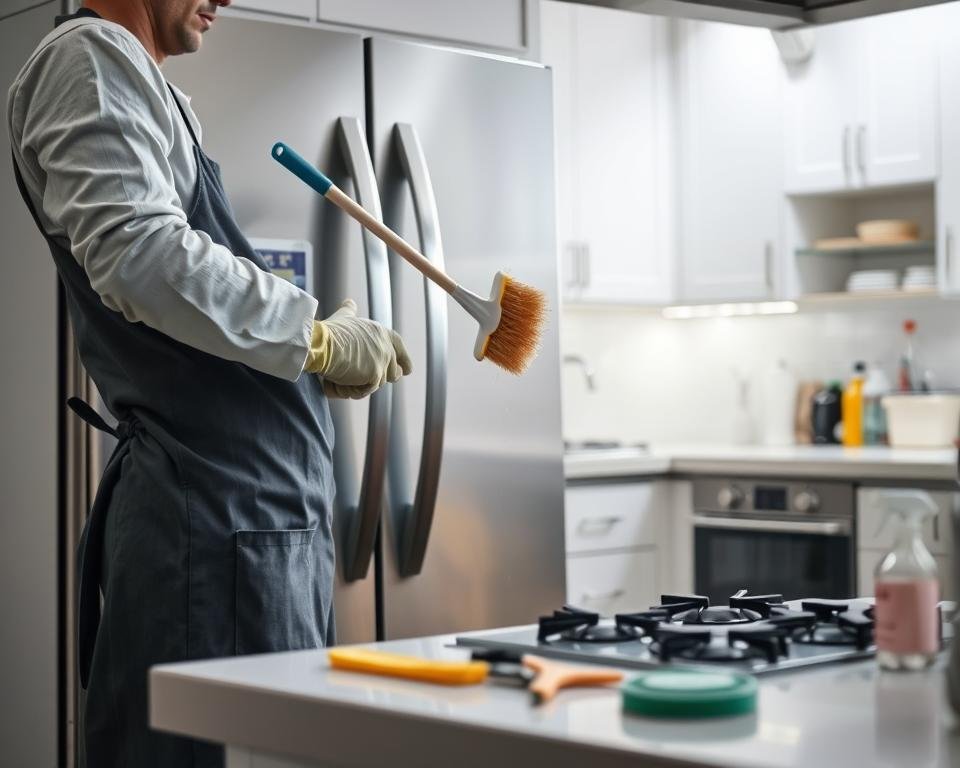
For landlords, knowing when to call in professional cleaners is key. Sometimes, getting to certain spots is hard or moving big items is risky. In these cases, hiring experts in property upkeep is wise. They ensure cleaning is done right, without damaging the property.
When reaching spots behind big appliances is tough, professional cleaning is a good idea. These teams have the skills and tools to safely access tight spots. Trying to do it yourself can lead to damage or costly repairs.
Many cleaning services offer deep-cleaning packages that cover areas behind appliances. This ensures a complete clean and keeps the property hygienic. Choosing these services helps landlords keep their properties clean, avoiding disputes and ensuring deposit retention.
When conducting the final property walkthrough, it’s crucial not to overlook corners and areas behind appliances. A detailed inspection is vital to confirm all dirt or debris has been removed. Landlords expect properties to be spotless before tenants leave. Moving appliances can reveal hidden dirt that might be missed.
Using a torch is an effective way to find any remaining dust, cobwebs, or hard-to-see spots. This simple tool helps light up dark areas, making it easier to identify any additional cleaning needs. Following these tips ensures a thorough clean, aligning with tenant guidelines for a smooth deposit return.
A detailed approach to the final walkthrough can avoid disputes over your security deposit. By thoroughly inspecting every corner, you meet landlord expectations and improve the property’s condition.


