
- 29/03/2025
- Category: Move In Out Service
- Author: Kris Foster
- 117

What if a tenant leaves a property in bad shape? The landlord’s rights about cleaning at the end of tenancy are key. They can affect how security deposits are handled and future rentals. With over half of disputes about cleaning, it’s crucial for landlords and tenants to know the rules.
In the UK, landlords expect a clean property at the end of tenancy. The Tenant Fees Act 2019 changed things, but landlords can still charge for cleaning. It’s a balance between rights and responsibilities. Clear talks can avoid disputes over deposits. For more on a smooth move out, check the benefits of hiring professional cleaners.
The laws about end of tenancy cleaning have changed a lot lately. The Tenant Fees Act 2019 has made big changes. It affects how landlords deal with cleaning in tenancy agreements. It’s key for landlords and tenants to know these rules to avoid problems when the lease ends.
Cleaning clauses in tenancy agreements say what the property should look like when you leave. Many landlords want a deep clean. But, the law says tenants can’t be charged for this unless the agreement says so. The Tenant Fees Act 2019 helps protect tenants and makes sure properties are clean.
When the lease ends, tenants must leave the property clean. They should match the standards in the inventory report. This means they need to:
Landlords should remember that tenants aren’t responsible for normal wear and tear. They shouldn’t have to do too much cleaning. Talking about cleaning expectations can help both sides do their jobs well and avoid arguments.
Landlords can take money from deposits for cleaning if the property isn’t clean enough. It’s important for tenants to know their cleaning duties to avoid extra costs. Having clear inventory evidence helps prove cleaning costs are fair.
To claim deposit deductions, landlords need strong evidence. This includes:
This evidence shows the property’s cleanliness before and after the tenant leaves. It makes the cleaning cost claims valid.
Landlords must follow deposit protection rules to avoid disputes. The Tenancy Deposit Scheme says deductions must match the cleaning needed. Claims should only cover necessary cleaning, not improvements.
Following these rules helps avoid disputes. It also makes it more likely to win a TDS adjudication if there’s a disagreement. Staying in line with these rules helps solve any issues about deposit deductions and cleaning costs.

Landlords need professional cleaning to make tenants happy and keep properties in good shape. This helps meet move-in standards. It also makes the landlord-tenant relationship clear, cutting down on misunderstandings.
Professional cleaning is key to getting rental properties ready for new tenants. It makes sure:
Clear talk about cleaning standards helps tenants move in smoothly. Professional cleaning helps by:
Proper documentation is key for smooth transitions and avoiding cleaning disputes. Clear standards in inventory reports and photos help landlords and tenants. They ensure the property is clean at the start and end of a lease.
Inventory reports are vital for everyone. They show the property’s state and cleanliness before a tenant moves in. This helps check how well the property was kept when the tenant leaves.
Landlords should make sure these reports are detailed. They should include descriptions of each room and any existing problems. Regular inspections can remind tenants to keep the property clean.
Photos are crucial during check-out. They support claims about the property’s condition. Taking photos before and after helps landlords prove their points when deducting deposits.
Photos can also help avoid disputes about cleaning. They show the property’s state clearly.
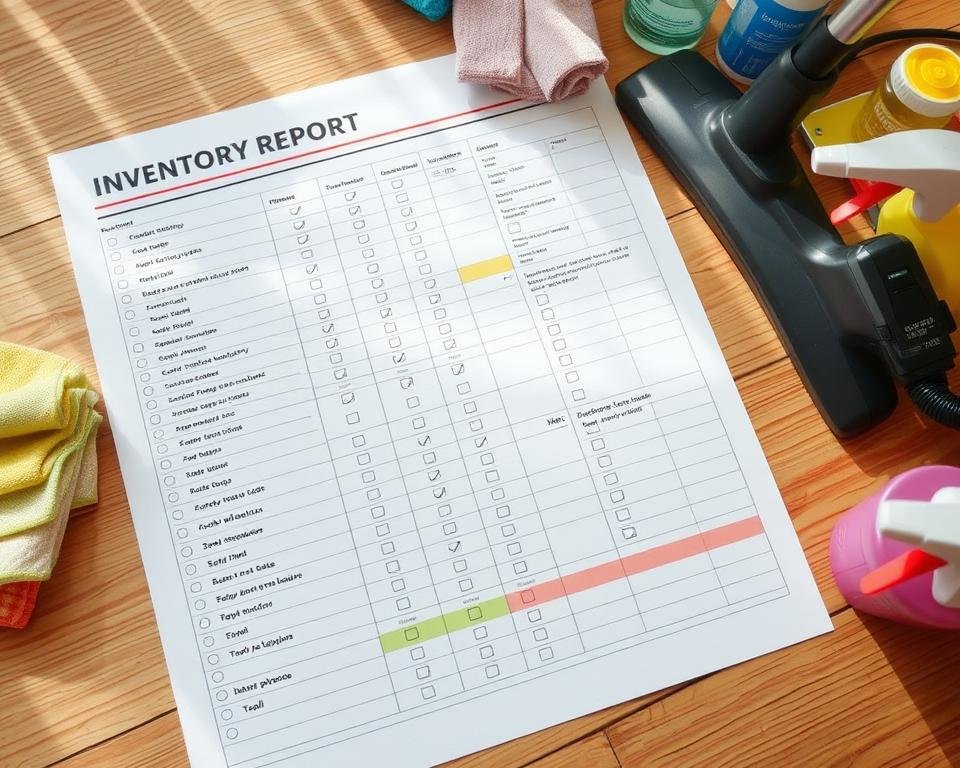
Half of all tenant deposits are lost in cleaning disputes. Clear documentation helps solve these issues easily. Landlords must return the property as it was before the tenant moved in.
For more on cleaning during tenancies, check out the detailed breakdown of cleaning duration factors.
Cleaning disputes between landlords and tenants need careful handling. The mediation process, especially through deposit protection schemes, helps solve these issues. Landlords can start dispute resolution by showing evidence that cleaning standards were not met. These schemes help find a peaceful solution, avoiding expensive and time-wasting legal battles.
Deposit protection schemes are key in mediation. They offer fair adjudication, letting both sides talk about cleaning standards. Landlords should document all cleaning actions and agreements with tenants first. This helps their case in mediation. Knowing your rights and duties in tenancy agreements is important.
When tenants question a landlord’s cleaning claims, follow these dispute resolution steps:
These steps help clear up who does what and improve communication. This can prevent misunderstandings. By tackling disputes early, landlords meet their duties and keep tenants happy, leading to better relationships in future tenancies.
Professional cleaning services are vital in the rental world. They help landlords prove their property is clean. This is key when there are arguments about cleanliness and deposit deductions.
Landlords must talk clearly with tenants about cleaning. Keeping tenants informed helps avoid disputes. If tenants know what’s expected, they’re more likely to keep the place clean.
Good communication stops cleaning disputes. Landlords should tell tenants what’s clean enough before they leave. This way, landlords protect their rights and keep a good relationship with tenants.
For better cleaning, consider professional services.


