
- 19/02/2024
- Category: House Cleaning
- Author: Kris Foster
- 548

Are you about to move out of your rental property? Getting your full deposit back depends on one crucial factor – the cleanliness of your kitchen. But how can you ensure a spotless kitchen that meets the expectations of your landlord? In this step-by-step guide, we’ll reveal the secrets to deep kitchen cleaning before the end of your tenancy. Discover the expert tips and techniques that will help you leave your rental property in pristine condition and secure that precious security deposit.
When it comes to the end of a tenancy, deep cleaning the kitchen is essential for both tenants and landlords. A clean kitchen not only ensures a positive handover experience but also contributes to the overall cleanliness and hygiene of the rental property.
In this section, we will provide an introduction to end-of-tenancy kitchen cleaning, highlighting the importance of a thorough clean for the security deposit. We will also outline the key areas and tasks that will be covered in the step-by-step guide, ensuring you have all the information you need to tackle this important task.
Before diving into the deep kitchen cleaning process, it is important to be prepared. This section will provide tenants with a checklist of cleaning supplies they will need, such as cleaning agents, scrub brushes, microfiber cloths, and gloves. It will also cover the importance of understanding the cleaning tasks ahead, including the time and effort required for each task.
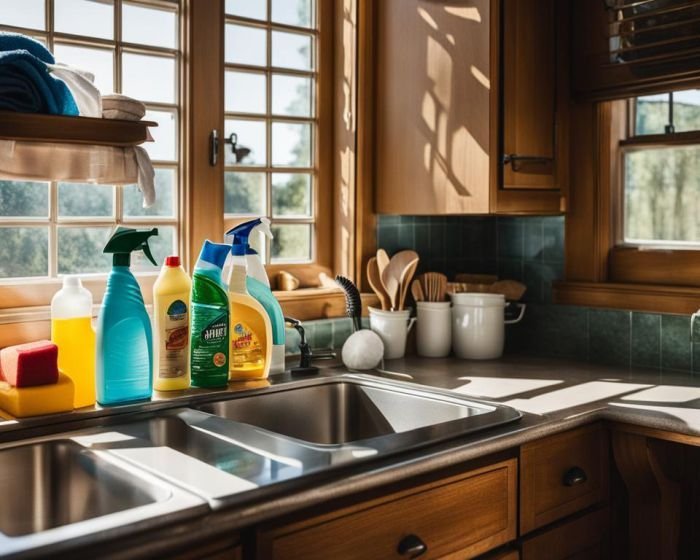
Being well-prepared with the necessary cleaning supplies and understanding the tasks ahead will set you on the right track for a successful deep kitchen clean. With these essential elements in place, you can confidently move on to the next section of the guide and begin the cleaning process.
In this section, we will provide a detailed step-by-step guide to deep cleaning your kitchen. It is essential to clean specific areas and elements thoroughly to ensure a spotless and hygienic kitchen. The following tasks will focus on cleaning appliances, countertops, cabinets, and floors. By following these steps, you can achieve a pristine kitchen free from dirt, grease, and stains.
Start by cleaning your appliances to remove any build-up or residue. Follow these steps:
Next, focus on cleaning your countertops to ensure a clean and sanitary workspace:
Now, let’s move on to cleaning your kitchen cabinets:
Lastly, we will focus on cleaning your kitchen floors:
By following this step-by-step guide, you can achieve a thoroughly cleaned kitchen, ensuring a fresh and inviting space for the next tenants or for your own use. Remember to pay attention to specific areas such as appliances, countertops, cabinets, and floors to eliminate any traces of dirt, grease, or stains.
When it comes to the end of a tenancy, it is crucial for tenants to adhere to the cleaning requirements outlined in the tenancy agreement. By consulting the agreement for specific cleaning clauses, tenants can ensure they meet or even exceed the professional standards expected by landlords.
To avoid any disputes and ensure a smooth handover process, tenants should carefully review the tenancy agreement and familiarize themselves with the cleaning obligations. Paying close attention to the cleaning clauses will help tenants understand what is expected of them in terms of maintaining the cleanliness of the rental property.
In some cases, the tenancy agreement may specify certain cleaning tasks that need to be carried out before vacating the property. This could include deep cleaning carpets, removing stains from upholstery, or ensuring all surfaces are thoroughly cleaned and free from dirt and grease.
By following the guidelines set forth in the tenancy agreement and fulfilling the cleaning obligations, tenants can significantly increase their chances of receiving their full deposit back. It is important to note that meeting or exceeding the professional standards not only benefits tenants but also contributes to maintaining the reputation of the rental property and the satisfaction of future tenants.
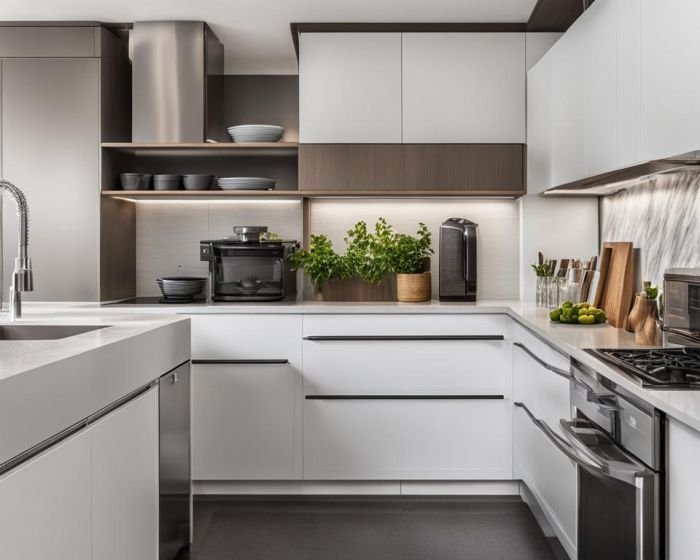
Cleaning an entire kitchen can be a time-consuming task, but with the right efficiency tips, tenants can ensure an effective and thorough clean in a reasonable amount of time. By managing time and efforts efficiently, tenants can achieve a spotless kitchen that meets the highest standards of cleanliness. Here are some tips to help:
Remember, efficient time management and attention to detail are key to achieving a spotless kitchen. By following these efficiency tips, you can save time and effort while maintaining a high standard of cleanliness.
In conclusion, a thorough clean of the kitchen is essential to ensure a successful end of tenancy and the return of your security deposit. By following the step-by-step guide provided and paying attention to detail, you can significantly increase your chances of passing the final inspection.
One important aspect to remember is to communicate with your landlord or letting agent throughout the cleaning process. This will help clarify any specific cleaning requirements outlined in the tenancy agreement and ensure that you meet or exceed the professional standards expected.
Additionally, it is crucial to devote time and effort to each cleaning task, focusing on specific areas such as appliances, countertops, cabinets, and floors. Remember, a deep clean goes beyond regular cleaning, so pay attention to hidden areas, remove stains, and eliminate any traces of dirt or grease.
Finally, as the handover date approaches, it is wise to perform final touches and a spot check to ensure the kitchen is spotless. Double-check all areas, tidy up any remaining mess, and make sure everything is in order for the final inspection.
By following these final tips and the comprehensive cleaning guide provided, you can confidently hand over a pristine kitchen, improve your chances of getting your full deposit back, and end your tenancy on a successful note.
Deep cleaning the kitchen is important at the end of tenancy to ensure a positive handover experience and maintain the overall cleanliness and hygiene of the rental property. It also plays a crucial role in getting the full security deposit back.
The key areas that should be deep cleaned in the kitchen include appliances (ovens, microwaves, refrigerators), countertops, cabinets, and floors.
Some essential cleaning supplies you will need for the deep kitchen clean include cleaning agents, scrub brushes, microfiber cloths, and gloves. Be sure to check the checklist provided in the guide for a complete list of supplies.
To meet or exceed professional cleaning standards, it is important to consult the tenancy agreement for specific cleaning clauses and guidelines. Following the step-by-step guide provided in this section will help you fulfill the cleaning obligations and avoid any disputes during the handover process.
Some efficiency tips for a thorough and timely kitchen clean include managing your time effectively, understanding the difference between deep cleaning and regular cleaning, and paying attention to final touches. These tips will help you achieve a spotless kitchen without wasting unnecessary time and effort.


