
- 18/03/2024
- Category: House Cleaning
- Author: Kris Foster
- 459
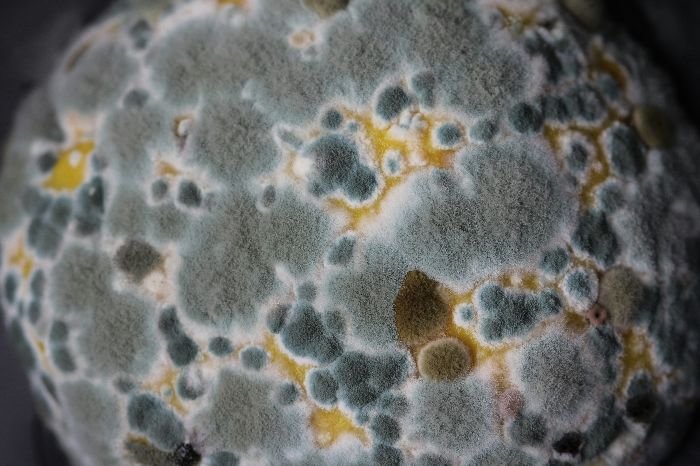
Did you know that mould and mildew can create billions of microscopic spores that can easily spread throughout your home? These tiny particles are not only unsightly but can also lead to serious health issues and damage to your property. In this article, we will explore effective strategies for preventing mould and mildew growth and provide guidance on how to clean and remove existing mildew. By following these tips, you can create a healthier home environment and protect your family from the harmful effects of mildew.
Mould and mildew are types of fungi that thrive in moist environments. They can be found in various areas of the home, including bathrooms, basements, and kitchens. Mould and mildew not only cause physical damage to surfaces but also pose health risks, especially for individuals with respiratory conditions.
Let’s discuss the importance of understanding and addressing the battle against fungus in your home to ensure a safe and healthy living environment. By taking proactive measures to prevent and combat mould and mildew, you can safeguard your home environment, protect your health, and prevent potential property damage.
To effectively prevent and clean mildew, it is crucial to understand their causes and consequences. Mould and mildew can thrive in areas with high humidity, moisture, and poor ventilation. When left unaddressed, they can pose significant risks to both your health and property.
Mould and mildew are not only unsightly but can also have serious consequences. Breathing in these spores or being exposed to mildew can trigger allergic reactions, respiratory issues, and even worsen existing conditions such as asthma. Additionally, fungus can damage the structural integrity of your home, leading to costly repairs and devaluation of your property.
To effectively combat mould and mildew, it is essential to identify the common damp areas in your home where they are likely to develop. By targeting these areas, you can take proactive measures to prevent their growth and minimize the risks they pose.
Here are some of the common damp areas where mould and mildew are prone to flourish:
By regularly monitoring and addressing these areas, you can significantly reduce the risk of fungus growth in your home.

In the next section, we will explore effective preventive measures to keep mould and mildew at bay. By implementing these strategies, you can maintain a mould-free home and safeguard your health and property.
Taking preventive measures is essential in keeping mould and mildew at bay. By implementing proactive strategies, you can minimize the risk of fungus growth in your home.
Effective mould prevention starts with maintaining proper ventilation throughout your home. Ensure that all areas, including bathrooms, kitchens, and basements, have adequate airflow to reduce moisture levels.
Controlling humidity is another crucial aspect of mould prevention. Use dehumidifiers in areas with high humidity, such as bathrooms and basements, to keep moisture levels in check.
Identifying and addressing sources of moisture is vital in preventing mildew. Regularly check for leaks and fix them promptly. Use waterproof sealants and paints in areas prone to moisture, like bathrooms and kitchens.
Proper insulation plays a significant role in mould prevention. Insulate your home to prevent condensation and reduce the chance of moisture buildup on walls and ceilings.
Regularly clean and maintain areas prone to mildew growth, such as bathrooms and kitchens. Use mould-resistant paints and cleaners to prevent their formation.
Keep your home clean and clutter-free. Dust and vacuum regularly to eliminate dust mites and prevent the accumulation of organic materials that can promote mould growth.
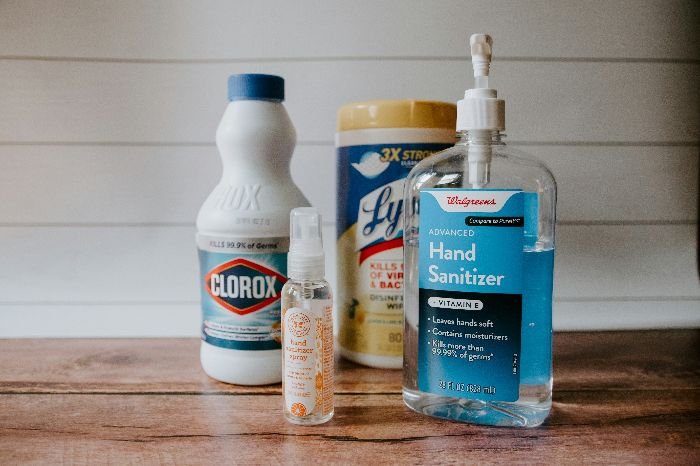
It’s important to take the necessary precautions before starting the cleaning process to ensure your safety. Always wear protective clothing such as gloves, goggles, and a mask to prevent exposure to mould spores. Additionally, open windows or use fans to ensure proper ventilation.
To effectively remove mould and mildew, follow these steps:
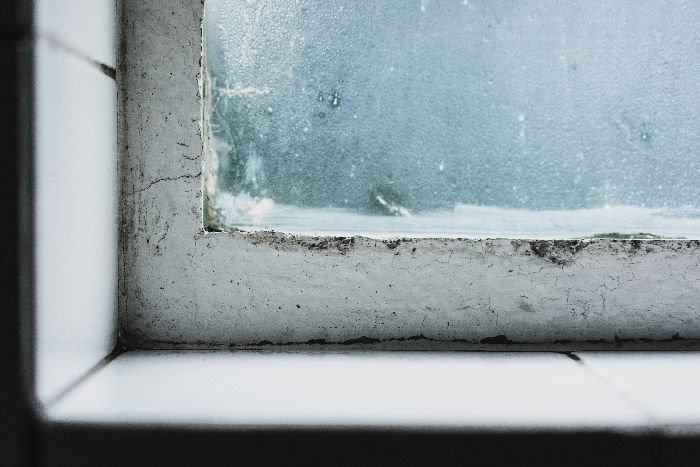
Inspect your home for visible signs of mildew, such as black or green patches on walls, ceilings, or other surfaces. Pay extra attention to areas with high humidity or water damage, such as bathrooms, basements, and kitchens.
Mix a solution of mild detergent or baking soda with warm water. Avoid using bleach as it can be harmful to surfaces and may not effectively remove fungus.
Scrub the affected areas with a sponge or brush soaked in the cleaning solution. Be thorough and take your time to ensure you remove all traces of mould and mildew. Rinse the surface with clean water and allow it to dry completely.
If the spores have contaminated fabrics or carpets, wash them in hot water with a mild detergent. For carpets, you may need to use a steam cleaner for deeper cleaning. Hang fabrics to air dry or use a dryer on a high heat setting.
For wooden surfaces affected by mildew, use a mixture of water and vinegar or hydrogen peroxide to clean the area. Scrub gently and wipe dry to prevent warping or damage.
To remove mould and mildew buildup in the bathroom, use a bathroom cleaner specifically designed to combat mould and mildew. Follow the instructions on the product and scrub the fixtures thoroughly. Rinse with water and dry the surfaces.
After completing the cleaning process, dispose of any contaminated cleaning materials or sponges in a sealed plastic bag to prevent the spread of spores.
Supply:
Tools:
Remember, mould and mildew thrive in moist environments, so it’s important to address any underlying moisture issues to prevent their recurrence. Regularly inspect your home for water leaks, ensure proper ventilation, and maintain dry conditions in damp areas.
Cleaning mould and mildew can be a challenging task, but by following this step-by-step guide and taking the necessary precautions, you can effectively eliminate these harmful fungi and maintain a clean and healthy living environment.
Creating a mould-free home is crucial for the well-being of your family and the longevity of your property. By implementing the preventive measures and cleaning techniques discussed in this article, you can significantly reduce the risk of mould and mildew recurrence.
Regular maintenance and vigilance are key in preventing the reappearance of fungus. Be sure to monitor your home for any signs of dampness or moisture, as these are the breeding grounds for mould and mildew. Promptly fix any leaks or water damage and ensure proper ventilation in all areas of your home, especially in areas prone to high humidity.
In addition to the preventive measures outlined, it is essential to maintain a clean and dry environment. Regularly clean and declutter your home to minimize the potential for mould and mildew growth. Pay special attention to areas such as bathrooms, basements, and kitchens, where moisture can accumulate. Use mould-resistant paint or coatings in these areas to provide an added layer of protection.
Lastly, consider using dehumidifiers and air purifiers to maintain optimal humidity levels and improve the air quality in your home. These devices can help remove excess moisture from the air and filter out airborne particles that can contribute to fungus growth.
By adopting these practices and making mould prevention a priority, you can maintain a mould-free home and ensure the health and well-being of your loved ones. Remember, prevention is always better than dealing with the consequences of mould and mildew infestation. Take action today and create a safe and healthy living environment for you and your family.
Mould and mildew are types of fungi that thrive in moist environments and can be found in various areas of the home, such as bathrooms, basements, and kitchens.
Mould and mildew can cause health issues, especially for individuals with respiratory conditions. They can also cause physical damage to surfaces in the home.
Fungus thrive in areas with high humidity, moisture, and poor ventilation. Common damp areas in the home where they are likely to develop include bathrooms and basements.
You can prevent mould and mildew growth by maintaining proper ventilation, controlling humidity levels, and removing sources of moisture. Implementing these proactive strategies is essential in keeping fungus at bay.
Apart from regular cleaning and removal of mould and mildew, maintaining a mould-free home involves implementing preventive measures, such as proper ventilation and moisture control. Regular monitoring of your home for signs of mould and mildew is also important.


