
- 10/10/2025
- Category: Expert Tips
- Author: Kristian Yordanov
- 81

How can property managers make cleaning a key part of living in a community? In today’s rental market, they do more than just lease and maintain properties. They also teach tenants to be responsible about keeping things clean. A clean property makes tenants happy and keeps them from moving out.
Studies show that a tidy entrance can make tenants happier. This happiness can lead to them staying longer. This article will explore ways for property managers to promote cleanliness. It aims to create a healthier living space, reduce arguments, and increase property value.
Knowing how tenants clean is key for good property management. Cleanliness affects many parts of a rental property. It makes tenants happy and helps keep the property in good shape.
A clean place looks better and lasts longer. Bad cleaning can cause damage and cost a lot to fix. This can make tenants unhappy.
Cleaning well can make a property last longer. Keeping things clean stops damage and makes important parts last longer. For example, regular checks and care can cut repair costs by 20%.
Talking clearly with tenants about cleaning can also help. It can cut down on problems by 60%. This helps keep the property in good shape.
Not cleaning often can cause problems between tenants and managers. Neglecting cleanliness can lead to complaints. This can harm a manager’s reputation.
Setting up cleaning routines can lower complaints by 25%. Using professional cleaners when tenants leave can also help. It can cut down on empty periods by 15% and attract better tenants.
It’s key to set clear cleaning expectations from the start for a smooth tenancy. Property managers can avoid confusion by adding cleaning rules to lease agreements. This way, tenants know their cleaning duties from the beginning.
This approach helps create a responsible relationship. It also stops arguments over cleaning issues.
Adding cleaning rules to lease agreements helps tenants know what’s expected. This includes regular cleaning tasks, items to clean often, and standards for moving out. Since many disputes are about cleaning, clear rules can prevent problems.
They also make moving out easier.
A move-in orientation is a great chance to talk about cleaning duties. Property managers can explain why keeping the place clean is important. They can also share tips and a checklist based on the inventory.
This makes tenants feel responsible. It keeps the property in good shape, avoiding problems like mould or pests.
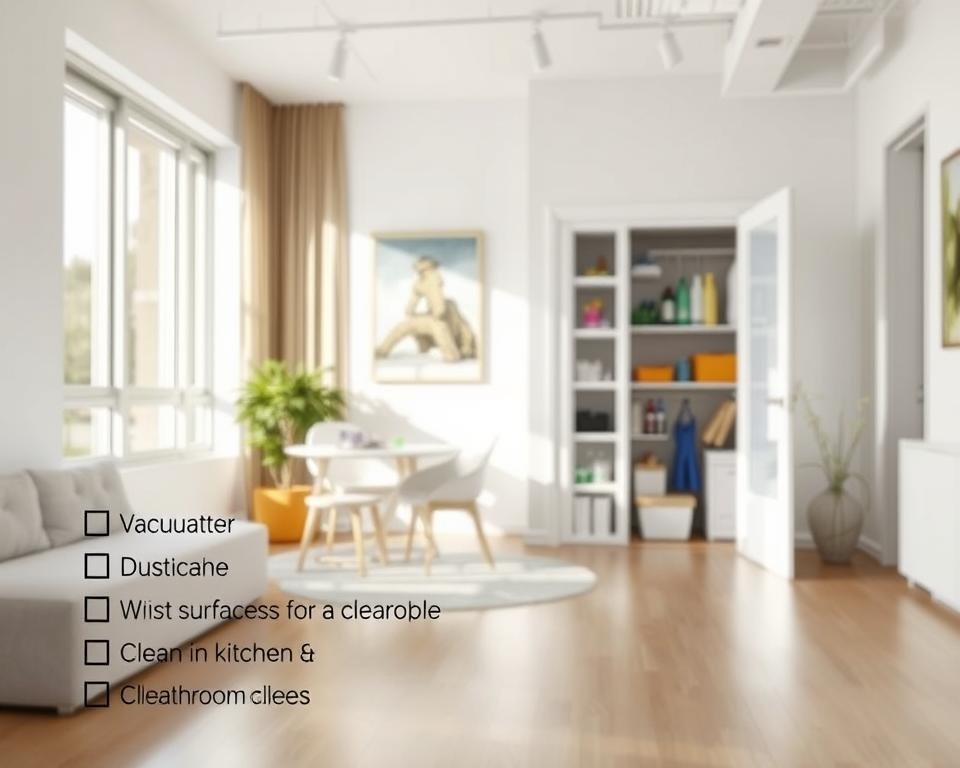
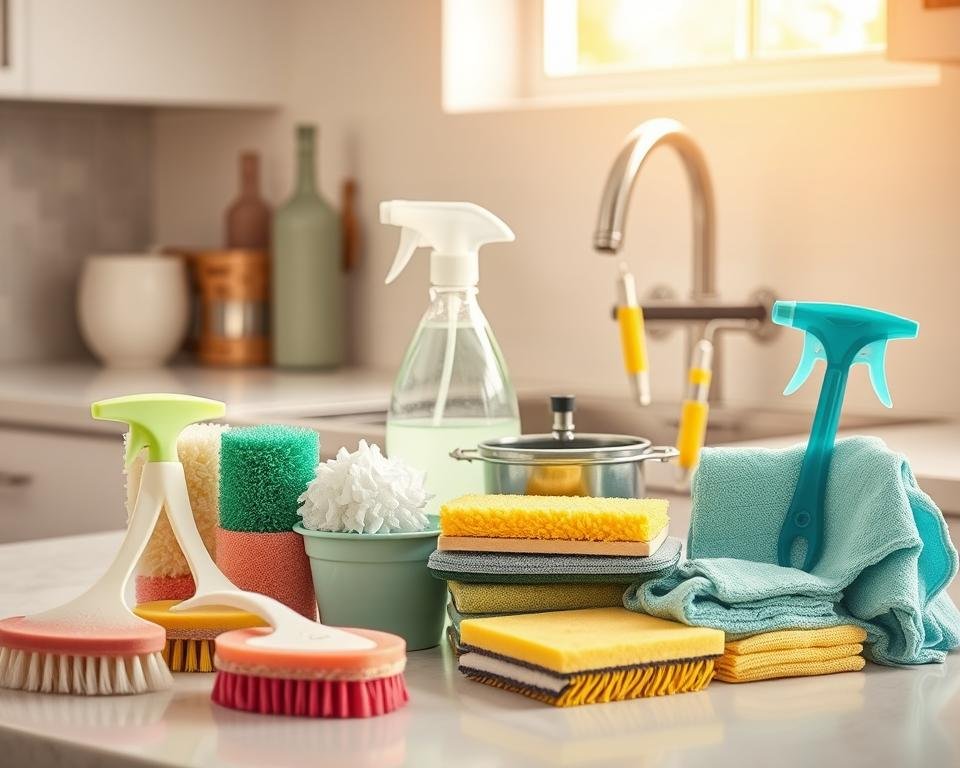
Giving tenants the right cleaning tools helps them keep their homes tidy. A detailed cleaning checklist is key. It shows them what to do and when. This way, they can keep their place clean and organised.
Using eco-friendly products is also a good idea. It makes their living space healthier and supports the environment. This is a big plus for property managers.
A good cleaning checklist helps tenants stick to their cleaning duties. It makes cleaning easier and more manageable. Here are some tasks to include:
Using a detailed checklist can make your property cleaner. It can also make tenants happier. In fact, properties with checklists see a 25% boost in tenant retention.
The products you choose affect your tenants’ health and the planet. Suggesting eco-friendly options can cut their chemical exposure by 50%. Look for brands like:
These recommendations help keep tenants safe and show you care. It builds trust and satisfaction between tenants and property managers.
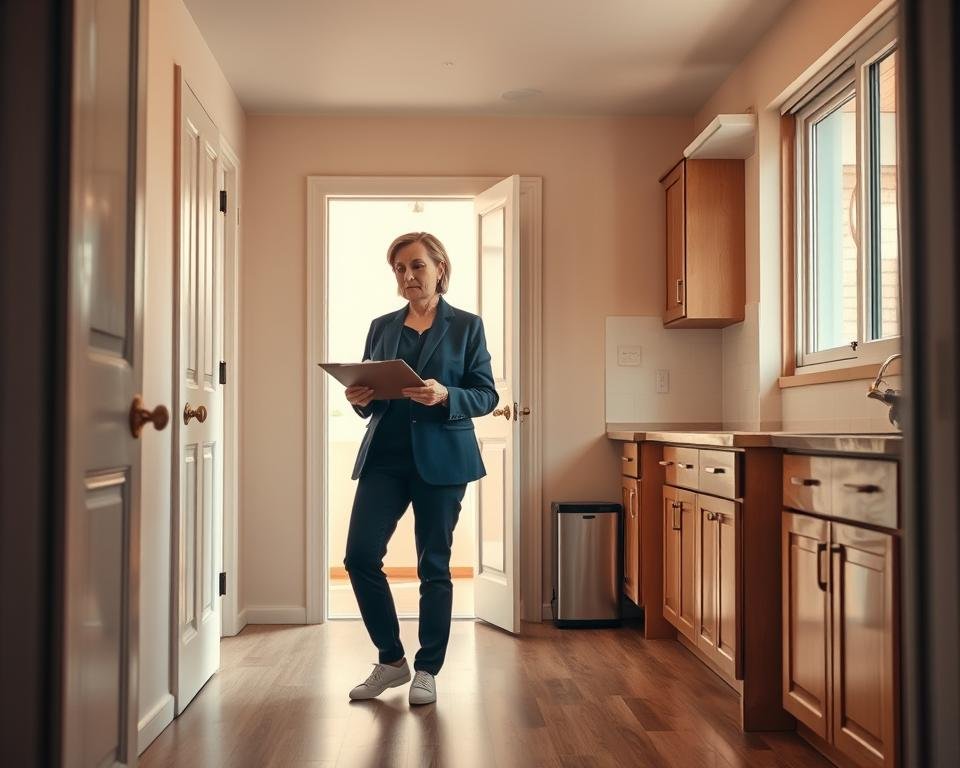
Keeping rental properties clean is key for happy tenants and well-kept homes. Regular checks are vital. Mid-tenancy inspections help spot cleaning issues early and talk to tenants about their duties.
These visits improve the property’s condition and build a strong landlord-tenant bond.
Inspections should happen at least twice a month. Some firms might do them every three months, but that’s not enough. More frequent checks help keep tenants happy and leases in order.
They show tenants how their cleaning efforts matter to their living space.
Fixing problems quickly is crucial. Inspections catch issues like damage and hygiene problems early. This stops them from getting worse.
Ignoring these can harm landlords. Early action keeps tenants happy and the property’s value up. It also helps plan for the future and ensures service contracts are followed.
Creating effective tenant incentives for cleanliness boosts pride and improves rental property upkeep. Offering security deposit incentives for a clean home is a good start. This approach motivates tenants to keep their homes clean, reducing damage risks.
Landlords can use security deposits to encourage tenants to care for their homes. If the property is left clean and undamaged, a part of the deposit is returned. This saves on turnover costs and maintenance, helping both tenants and property managers.
Cleaning discounts are a great incentive for tenants who find it hard to keep their homes clean. Working with local cleaning services to offer discounts benefits everyone. Tenants get affordable cleaning, and property managers save on cleaning fees, keeping properties in great condition.
Dealing with tenants who ignore their cleaning duties is a big challenge for property managers. Starting a conversation is key. It lets tenants explain their situation and find solutions together. Keeping records of these talks is important for future cleaning issues.
If cleaning problems keep happening, it’s time to use penalties as the lease says. This shows how serious cleanliness is and who’s responsible. Not keeping up with cleaning can mean losing some of the security deposit for cleaning or repairs.
If tenants still don’t clean up, getting professional cleaners might be the best option. Professional cleaners keep the place clean and protect the property’s value. Being proactive about cleaning helps keep the property in good shape and makes tenants happier.


