
- 07/04/2025
- Category: Expert Tips
- Author: Kris Foster
- 148
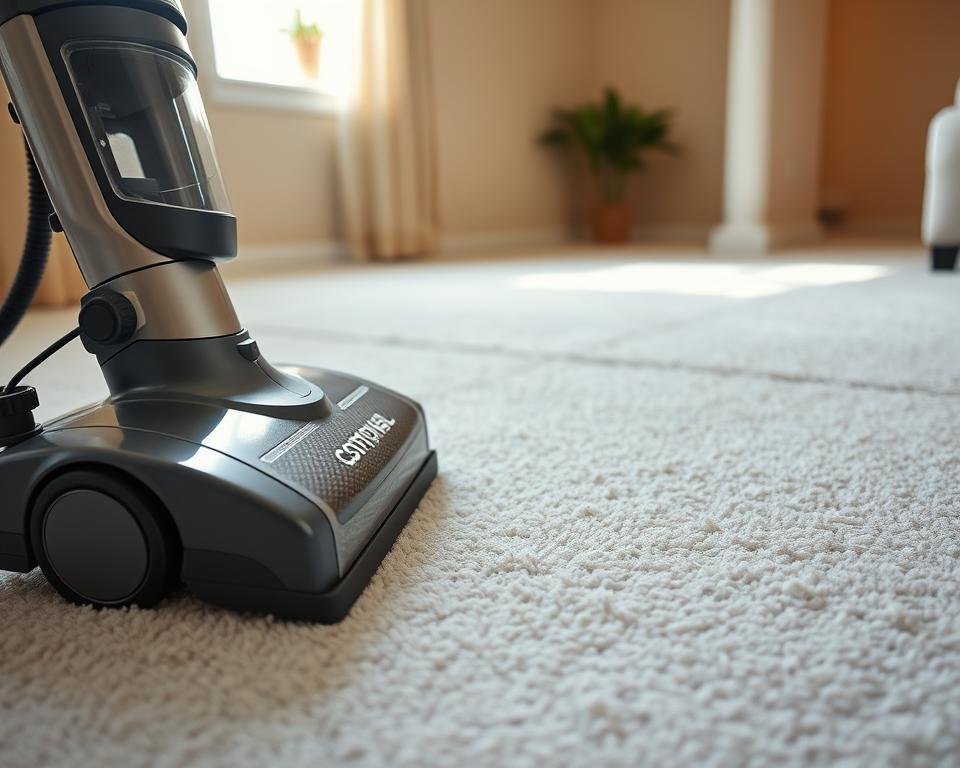
Carpet cleaning is key in getting deposits back when tenancies end. The state of the carpets can greatly affect how much is returned. Landlords expect the property to be as it was when the tenant moved in.
The Tenant Fees Act of 2019 changed things. Landlords can’t directly ask for cleaning costs. But, many tenants still choose to clean professionally to meet cleanliness standards. This choice is crucial for getting deposits back.
Many disputes over cleaning are handled by deposit protection services. If a property is left in great shape, the chance of getting the full deposit back is higher. Professional carpet cleaning can cut down on disputes by up to 70%.
Professional cleaning costs vary, from £50 to £500, depending on the carpet’s size and condition. Tenancy agreements often require properties to be returned in the same condition. Clean carpets are a big part of this. If carpets aren’t clean, tenants might lose some of their deposit.
Studies show that tenants who get professional cleaning get 95% of their deposits back. Those who don’t pay for cleaning might only get 70%.
The state of carpets greatly affects deposit deductions when tenants leave. Landlords check carpets closely during inspections. They see carpets as a key part of the property’s condition. Keeping carpets clean can prevent disputes and help get the full deposit back.
Landlords want carpets to be as clean as when tenants moved in. Dirty or stained carpets can mean immediate deductions.
Many carpet problems can cause disputes at the end of tenancy. These include:
Booking professional cleaning services early, during busy times, is wise. It ensures they are available and can fix these issues before they become bigger problems.
Deciding to clean or replace carpets is a big choice. Cleaning is usually cheaper than replacing. But, if carpets are badly damaged, replacing them might be needed, which costs more. Tenants should take good photos of the cleaned property to support their case in disputes. Keeping carpets clean throughout the tenancy helps avoid expensive replacements and disputes.
Carpets in rental homes face many issues that harm their look and life span. Knowing these common problems helps tenants and landlords keep carpets in good shape.
Stains from spills and pet accidents are big worries. They can be hard to get rid of and might need expensive replacements. Quick cleaning and stain treatment can stop lasting damage.
It’s important to tell the difference between normal wear and actual damage. Normal wear, like light fraying, is okay. But rips, burns, and deep stains are not and can cost deposit money. Tenants should take photos of carpets at the start to avoid arguments.
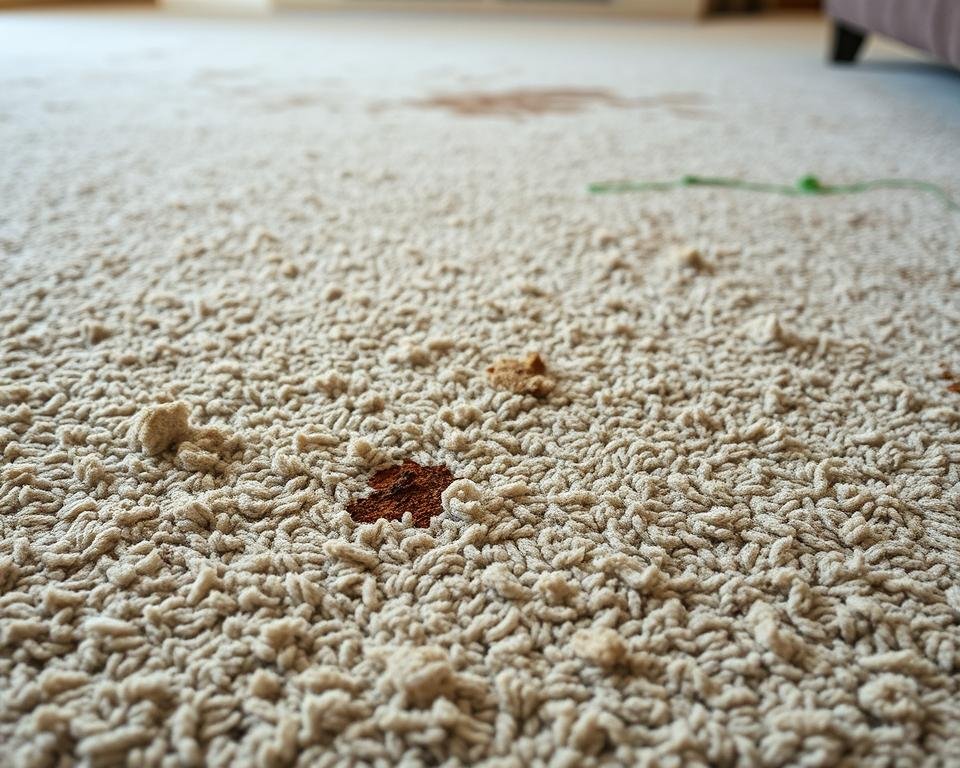
Odours in carpet fibres can really show up during inspections. They come from spills, pet accidents, and neglect. Vacuuming, spot cleaning, and deep cleaning can reduce these smells. Landlords and tenants should tackle any bad smells quickly to keep the place nice.
Choosing between professional and DIY carpet cleaning is key when moving out. DIY might seem cheap, but it rarely matches professional standards. Professional cleaning services can save you money and reduce stress.
Professional carpet cleaning removes stains 50% better than DIY. With advanced tools and skilled technicians, many services clean deep. This ensures a complete clean, crucial for passing inspections and saving on cleaning costs.
Experts can also cut down on bad smells by 80%, compared to DIY’s 40%. This makes a big difference in getting your deposit back.

70% of homeowners are unhappy with DIY cleaning due to poor equipment and solutions. Mistakes like over-wetting can make carpets soggy and smelly. Using the wrong products can also harm the carpet.
DIY machines often can’t clean as well as pros. They lack the power and right temperature, leading to longer, less effective cleaning. These errors can cost you your deposit.
If your carpets are badly stained, damaged, or smell, get professional help. Pros can remove more dirt and water, drying carpets faster. They use machines that clean without damaging the carpet.
For big homes, DIY cleaning can take over four hours. Pros do the job in under two, saving you time and energy. This protects your deposit too.
Landlords have clear expectations about carpet condition when a tenancy ends. It’s key for tenants to know these to avoid arguments and get their deposit back. Over half of disputes at the Tenancy Deposit Scheme (TDS) are about cleaning, showing how big of an issue it is.
Fair wear and tear means the normal wear from using a property. For carpets, this might be slight colour change or a few lost threads in busy spots. Landlords can’t charge for these natural changes. But, disputes can happen if there’s confusion about what’s fair.
How often carpets need professional cleaning is often in the tenancy agreement. It depends on how long you rent and how busy the place is. Usually, a yearly clean or at the end of the lease is needed. Sticking to this can meet the landlord’s expectations and avoid cleaning disputes.
Tenancy agreements are crucial for carpet care. They say who is responsible for keeping the carpet in good shape, considering wear and tear. The Tenant Fees Act of June 1, 2019, stops landlords from making tenants pay for cleaning. Following these rules helps keep carpets in good shape and reduces cleaning disputes.
To avoid losing your deposit over carpet issues, keep your carpets clean regularly. Spot cleaning and maintenance are key. They help keep your carpets looking good and meet your landlord’s standards.
Regular cleaning is a must for carpet care. Vacuuming often stops dirt from building up. This makes cleaning easier later on.
Quickly clean spills and stains to avoid damage. This habit can help you avoid losing your deposit.
Knowing how to tackle stains is important. For spills and pet stains, a mix of white vinegar, water, and mild detergent works well. Keeping your carpet clean before the final check can prevent disputes with your landlord.
Choosing the right cleaning products is crucial. Harsh chemicals can harm your carpet. Use products made for specific stains to keep your carpet in good shape and avoid deposit deductions.
When tenants leave, landlords must decide about carpet cleaning costs. They might take these costs from the deposit or handle them differently. With 70% of rentals needing professional cleaning before leaving, it’s key to know how to manage these costs.
Landlords often take carpet cleaning costs from deposits if the carpets are not clean. About 60% of landlords deduct from the deposit for carpet cleaning if it’s not up to standard.
40% of landlords say carpets are the top reason for deposit deductions. Courts say basic cleaning is normal wear and tear. But, if carpets are very dirty or damaged, landlords can charge tenants for cleaning.
Tenants should follow the cleanliness standards in their lease to avoid problems.
It’s important to know the difference between cleaning fees and damage charges. Cleaning fees are for basic cleanliness, while damage charges are for big repairs.
85% of carpet cleaners use special equipment to clean well. This helps 90% of tenants get their deposit back. Tenants must leave the place as clean as when they moved in, but can’t be charged for normal wear.
Disputes over cleaning fees are common, making up a big part of cases at the Tenancy Deposit Scheme.
The best thing for tenants is to document the carpets’ state at the start and keep them clean. Using professional cleaning services, even if it costs, can save money in the long run.


