
- 25/04/2024
- Category: How To
- Author: Kris Foster
- 456
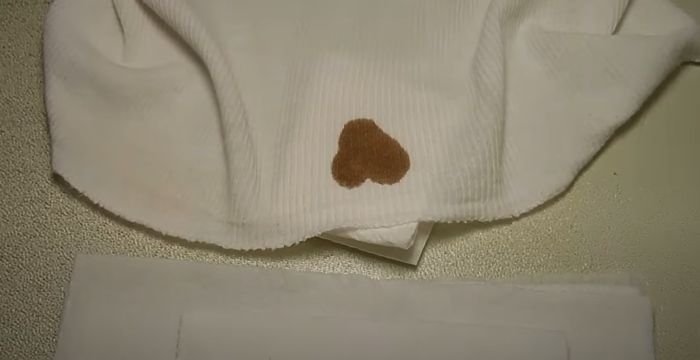
Did you know that grease and oil stains are responsible for a staggering 40% of all household stains? Whether it’s splattered cooking oil on your favorite shirt or grease smears on your kitchen countertops, these stubborn stains can be a real headache to remove. But fear not! In this article, we will share with you a comprehensive guide on effective grease and oil stain removal techniques, ensuring spotless results that leave your surfaces looking as good as new.
Grease and oil stains can be a real headache. Not only are they unsightly, but they can also be notoriously difficult to remove. These stubborn stains have a knack for appearing on a wide range of surfaces, such as clothing, carpets, and kitchen counters. Understanding the resilience of grease and oil stains is crucial when it comes to effectively tackling them.
Grease and oil stains have an annoying ability to cling to surfaces with tenacity. They seep into fabrics, penetrate deep into carpets, and stubbornly adhere to kitchen counters. Their resilience can make the stain removal process quite challenging.
One reason for their resilience is the molecular structure of grease and oil. These substances are composed of long hydrocarbon chains that possess strong attraction forces. This allows them to bond tightly with surfaces, making it difficult for traditional cleaning methods to break them down.
Additionally, grease and oil stains often contain proteins, pigments, and other substances that further enhance their resilience. These components can create complex chemical interactions with the surface they have stained, resulting in a more stubborn and difficult-to-remove stain.
However, understanding the resilience of grease and oil stains is the first step towards effective stain removal. With the right techniques and products, you can successfully battle these persistent stains and achieve spotless results.
When dealing with grease and oil spills, it is crucial to take immediate action to prevent the stains from setting. Acting promptly can make the stain removal process much easier and more effective. In this section, we will outline the initial steps you should take to address grease and oil spills effectively.
1. Absorb the Spill – The first step is to quickly absorb any excess grease or oil on the surface. Use paper towels, clean cloth, or absorbent materials to blot the spill gently. Avoid wiping or rubbing as it can spread the stain further.
2. Scrape the Residue – If there is any solid residue, gently scrape it off using a plastic spatula or a dull knife. Be careful not to scratch or damage the surface while doing so.
3. Treat the Stain – Once you have absorbed the spill and removed any solid residue, it’s time to treat the stain. Depending on the surface and the type of stain, you can try using household remedies such as dishwashing liquid, baking soda, or vinegar. Apply the chosen remedy to the stain and let it sit for a few minutes to loosen the grease.
4. Blot or Rinse – After treating the stain, blot the area again with a clean cloth or paper towels to absorb the loosened grease or oil. If the surface allows, rinse it with water to further remove the stain. Avoid using hot water as it can set the stain instead of removing it.
5. Launder or Clean – If the spill has occurred on clothing or fabric, follow the manufacturer’s instructions for laundering. Pre-treat the stain with a stain remover or a laundry detergent before washing. For other surfaces, use appropriate cleaning products or methods recommended for that specific material.
By taking these initial steps to address grease and oil spills, you can prevent the stains from setting and ensure easier stain removal later on. Remember, the key is to act quickly and gently to minimize the impact of the spill. In the next section, we will explore specific cleaning techniques for removing grease stains from kitchen surfaces.
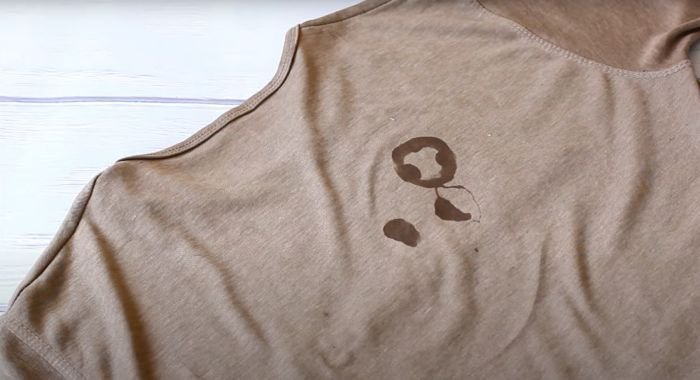
If you’re looking for natural and cost-effective solutions, DIY cleaning solutions are the way to go. These homemade remedies involve simple ingredients that you likely already have in your pantry. Here are a few tried-and-tested DIY cleaning solutions for kitchen grease stains:
These DIY cleaning solutions offer an eco-friendly and affordable way to tackle grease stains on kitchen surfaces.
If you’re dealing with stubborn grease stains that refuse to budge, commercial degreasers are your best bet. These products are specifically formulated to cut through tough grease and grime. When choosing a commercial degreaser, look for one that is designed for kitchen surfaces and safe to use on the material of your countertops or stovetops.
Follow the instructions on the product label and apply the commercial degreaser to the grease stain. Let it sit for the recommended time, then wipe away the grease with a clean cloth or sponge. Rinse the area thoroughly with water.
When using commercial degreasers, it’s important to ensure proper ventilation in your kitchen and follow all safety precautions. Use gloves and avoid contact with your skin or eyes. Always read and follow the instructions provided by the manufacturer.
With these DIY cleaning solutions and commercial degreasers, you can effectively remove grease stains from your kitchen surfaces. Choose the method that suits your preferences and needs, and say goodbye to those stubborn grease stains for good!
Fabrics, such as clothing and upholstery, are susceptible to grease stains. Fortunately, there are various techniques you can use to effectively remove grease from fabrics. Whether it’s a cooking mishap or an accidental spill, these methods will help you tackle stubborn grease stains and restore your fabrics to their pristine condition.
Before diving into the washing process, it’s important to pre-treat the grease-stained fabric. This step will help loosen and lift the grease from the fabric fibers, making it easier to remove during washing. Here are a few pre-treatment methods to try:
After pre-treating the fabric, it’s time to wash away the remaining grease. Here are some tips to help you effectively eliminate grease during the washing process:
By following these techniques and tips, you can successfully remove grease from fabrics, leaving them clean and stain-free.
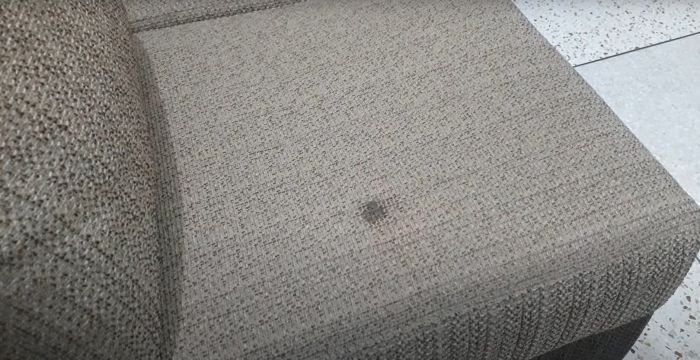
Taking proactive measures can help prevent future grease and oil stains from occurring. By implementing protective measures in your kitchen and following care tips for grease-prone fabrics, you can significantly reduce the chances of spills and stains.
When it comes to preventing grease and oil stains in the kitchen, a few simple steps can go a long way. Consider the following protective measures:
By implementing these protective measures, you can create a cleaner and more grease-resistant environment in your kitchen.
Grease-prone fabrics, such as clothing and upholstery, require special care to prevent stains and maintain their quality. Follow these care tips:
By following these care tips, you can extend the lifespan of your grease-prone fabrics and keep them looking clean and stain-free.
In conclusion, effective techniques for grease and oil stain removal are essential to maintain clean and spotless surfaces. By following the tips and methods outlined in this article, you can confidently battle and eliminate grease and oil stains, ensuring a refreshed and clean environment.
Whether it’s tackling stubborn grease stains on kitchen surfaces or removing grease from fabrics, the key lies in understanding the nature of these stains and using appropriate cleaning solutions. Pre-treating fabrics, such as clothing and upholstery, and using the right washing tips can help eliminate grease effectively.
Additionally, taking proactive measures to prevent future grease and oil stains is crucial. Implementing protective measures in the kitchen, such as using splash guards and regularly cleaning surfaces, can minimize spills and stains. Furthermore, following care tips for grease-prone fabrics, including regular cleaning and treating stains promptly, can help maintain their quality and prevent future stains.
By arming yourself with the knowledge and techniques shared in this article, you can confidently address grease and oil stains, ensuring your surroundings stay clean and inviting. Remember, with the right approach and determination, you can conquer any grease or oil stain, and enjoy a spotless environment.
There are several effective techniques for removing grease and oil stains. These include pre-treatment methods, using DIY cleaning solutions, and utilizing commercial degreasers.
There are various DIY cleaning solutions for removing grease stains from kitchen surfaces. These include using a mixture of baking soda and vinegar, or dish soap and warm water.
Yes, there are commercial degreasers specifically designed to tackle stubborn grease stains. These products can be found in most supermarkets or hardware stores.
To remove grease stains from fabrics, it is important to pre-treat the stain by applying a small amount of dish soap or laundry detergent directly to the affected area. Then, wash the fabric in the hottest water recommended for the fabric type.


