
- 05/03/2024
- Category: Expert Tips
- Author: Kris Foster
- 520
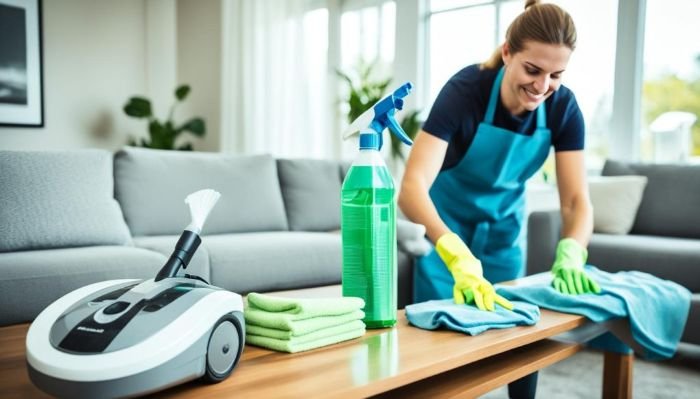
Do you struggle to keep your furniture and upholstery clean? Are you tired of spending money on professional cleaning services? Look no further! In this article, we will provide you with valuable DIY cleaning tips for furniture and upholstery. Discover how to keep your sofas and chairs looking fresh and spotless with these expert tips and techniques.
In this section, we will introduce you to the world of DIY furniture and upholstery cleaning. Taking care of your furniture is essential for maintaining its longevity and keeping your home looking clean and fresh. By implementing regular maintenance and utilizing DIY cleaning techniques, you can achieve remarkable results while saving both time and money.
Regular maintenance is the key to preserving the beauty and durability of your furniture. Over time, dirt, dust, and stains can accumulate on upholstery, leading to a dull and aged appearance. By incorporating a consistent cleaning routine, you can prevent this buildup and extend the lifespan of your furniture.
Regularly maintaining your furniture also helps to remove allergens such as dust mites, pet dander, and pollen. This is particularly important for individuals with allergies or asthma, as a clean and allergen-free environment can greatly improve their quality of life.
Additionally, by taking care of your furniture, you are safeguarding your investment. Furniture is often a significant financial commitment, and by keeping it clean and well-maintained, you can maximize its value and ensure it continues to provide comfort and style for years to come.
Opting for DIY furniture and upholstery cleaning offers numerous benefits for your home and lifestyle. Firstly, it gives you greater control over the cleaning process, allowing you to choose the products and techniques that best suit your needs. DIY cleaning solutions are often cost-effective and can be easily made using common household ingredients.
DIY cleaning also helps to minimize exposure to harmful chemicals found in some commercial cleaners. By using natural and eco-friendly ingredients, you can create a safe and non-toxic environment for your family and pets.
Furthermore, DIY cleaning allows you to address spills and stains promptly, preventing them from setting and becoming more challenging to remove. By tackling stains immediately, you increase the chances of successfully restoring your furniture to its original condition.
Lastly, taking a hands-on approach to cleaning can be a rewarding experience. As you witness the transformation of your furniture, you can feel a sense of pride and accomplishment, knowing that you have played a role in maintaining the beauty and cleanliness of your home.
With this newfound knowledge on the importance of regular furniture maintenance and the benefits of DIY cleaning, you are now ready to delve deeper into the world of furniture and upholstery care. In the following sections, you will learn about different types of upholstery materials, discover effective DIY cleaning solutions, and gain step-by-step guidance on how to clean your furniture like a professional.
When it comes to cleaning and maintaining your furniture, understanding the fabric is crucial. Different upholstery materials require specific care to ensure their longevity and appearance. In this section, we will explore the various types of upholstery materials and provide insights into how to identify them. We will also discuss the importance of reading and interpreting fabric care labels to ensure you use the appropriate cleaning methods.
Upholstery materials come in a wide range of options, each with its unique characteristics and cleaning requirements. Here are some common types of upholstery materials you may encounter:
By identifying the type of upholstery material used in your furniture, you can choose the appropriate cleaning methods and products to keep it looking its best.
Fabric care labels provide essential information on how to properly clean and care for your furniture. Understanding the symbols and instructions on these labels will help you avoid damaging the fabric. Here are a few commonly found fabric care symbols:
Take the time to read and understand the care labels on your furniture’s fabric. Following the recommended cleaning instructions will help preserve the fabric’s quality and appearance over time.

In this section, we will share effective DIY cleaning solutions for furniture and upholstery. Whether you prefer natural and eco-friendly mixtures or commercial cleaners, we have options to suit your cleaning needs.
Keeping your furniture and upholstery clean doesn’t have to involve harsh chemicals. With natural and eco-friendly cleaning mixtures, you can remove stains and odors while being environmentally conscious.
In addition to DIY solutions, commercial cleaners can provide effective results for different types of upholstery. These cleaners are specially formulated to tackle tough stains and restore the appearance of your furniture.
With DIY cleaning solutions and effective commercial cleaners, you can maintain the cleanliness of your furniture and upholstery. Choose eco-friendly options or opt for commercial cleaners designed for specific upholstery types, ensuring that your cleaning efforts yield exceptional results.
By following these detailed steps, you can effectively clean and refresh your furniture and upholstery on your own, ensuring they look their best for years to come.
Total Time: 2 hours
– Gather all your cleaning tools and supplies.
– Remove any loose items from the furniture, such as pillows, covers, or decorations.
– Thoroughly vacuum the furniture using the upholstery attachment to avoid fabric damage.
– Focus on crevices, under cushions, and other areas where dust and debris accumulate.
– Wipe down the furniture with a clean, dry microfiber cloth to catch any remaining dust particles.
– For wooden parts or details, use a soft brush attachment or a separate dusting cloth.
– Identify and treat stains by blotting with a white cloth soaked in a mixture of mild detergent and lukewarm water.
– Gently dab the stain without rubbing to avoid spreading. Use a clean, dry cloth to remove moisture.
– For a deeper clean, mix a solution of white vinegar and water in a spray bottle and lightly mist the fabric areas.
– Alternatively, for non-fabric parts, use an appropriate cleaner as per the material type (wood, metal, etc.).
– Gently scrub the treated areas with a soft-bristled brush if necessary, especially for tougher stains or soiled spots.
– Wipe down the entire piece with a damp cloth to remove any residue from the cleaning solutions.
– Use a steam cleaner with an upholstery attachment for a thorough deep clean, especially useful for fabric upholstery.
– Test the steam cleaner on an inconspicuous area first to ensure it does not damage the fabric.
– Allow the furniture to air dry completely, which can be expedited by opening windows or using a portable fan.
– Avoid using the furniture until it is fully dry to prevent any new dirt from sticking to damp areas.
– Once dry, do a final check for any missed spots or remaining stains.
– Vacuum lightly if necessary to restore the fabric’s texture after the deep clean.
Supply:
Tools:
Additional Tips:
Once you have successfully cleaned your furniture and upholstery, it’s essential to maintain and refresh their appearance to ensure their longevity. By following these daily tips for upholstery care, you can keep your furniture looking pristine and extend its lifespan.
To begin, make sure to regularly vacuum your furniture using a soft brush attachment to remove any loose dirt, debris, or pet hair. This helps prevent them from settling into the fabric and causing stains or odors over time. Additionally, avoid placing your furniture in direct sunlight, as it can cause fabric fading and deterioration.
One crucial aspect of upholstery care is addressing spills and stains promptly. Blot the affected area with a clean, absorbent cloth to soak up the liquid and prevent it from seeping deeper into the fabric. Avoid rubbing the stain, as it can spread and damage the upholstery. Instead, use a mild detergent mixed with water or a specialty upholstery cleaner that is suitable for your furniture’s fabric.
Furthermore, it’s beneficial to rotate cushions and pillows regularly to distribute wear evenly. This helps prevent one side from becoming worn out or compressed. Fluffing and plumping pillows also help maintain their shape and support. Lastly, consider using fabric protectors or covers to shield your furniture from spills, stains, and general wear and tear.
While regular maintenance can significantly prolong the life of your furniture, there are instances where professional upholstery cleaning services become necessary. If you encounter deep, stubborn stains that you can’t remove with DIY methods, it’s best to consult professionals who have specialized equipment and expertise to tackle these challenges.
Professional upholstery cleaning services are also recommended if you have delicate or vintage furniture that requires gentle handling. Their professional techniques ensure that your valuable pieces are cleaned effectively without causing any damage. Additionally, if your furniture has extensive soiling or odors that persist even after your DIY cleaning attempts, professionals can deep clean and deodorize them thoroughly.
In conclusion, regular maintenance and effective daily care are key to keeping your furniture and upholstery in tip-top condition. By incorporating these tips into your cleaning routine and knowing when to seek professional help, you can enjoy clean, fresh-smelling furniture that adds beauty and comfort to your home for years to come.
Some furniture DIY cleaning tips include regular vacuuming and dusting, using natural cleaning solutions, and spot cleaning stains as soon as they occur.
Regular furniture maintenance is important because it helps to prolong the life of your furniture, keeping it looking fresh and in good condition for longer.
The benefits of DIY cleaning for your home include cost savings, control over the cleaning products used, and the satisfaction of knowing you are taking care of your furniture yourself.
To identify different types of upholstery materials, you can look for visual cues such as texture and pattern, as well as checking fabric care labels or consulting a professional if you’re unsure.
Some natural and eco-friendly cleaning mixtures for furniture and upholstery include vinegar and water solutions, baking soda and water paste, and citrus-based cleaners.
Pre-cleaning essentials for cleaning furniture include thorough vacuuming to remove dust and debris, as well as dusting surfaces with a soft cloth or brush.
Some daily tips for upholstery care include regular fluffing and rotating cushions, avoiding direct sunlight to prevent fading, and promptly cleaning up spills or stains.


