
- 06/05/2025
- Category: Landlords
- Author: Kristian Yordanov
- 136
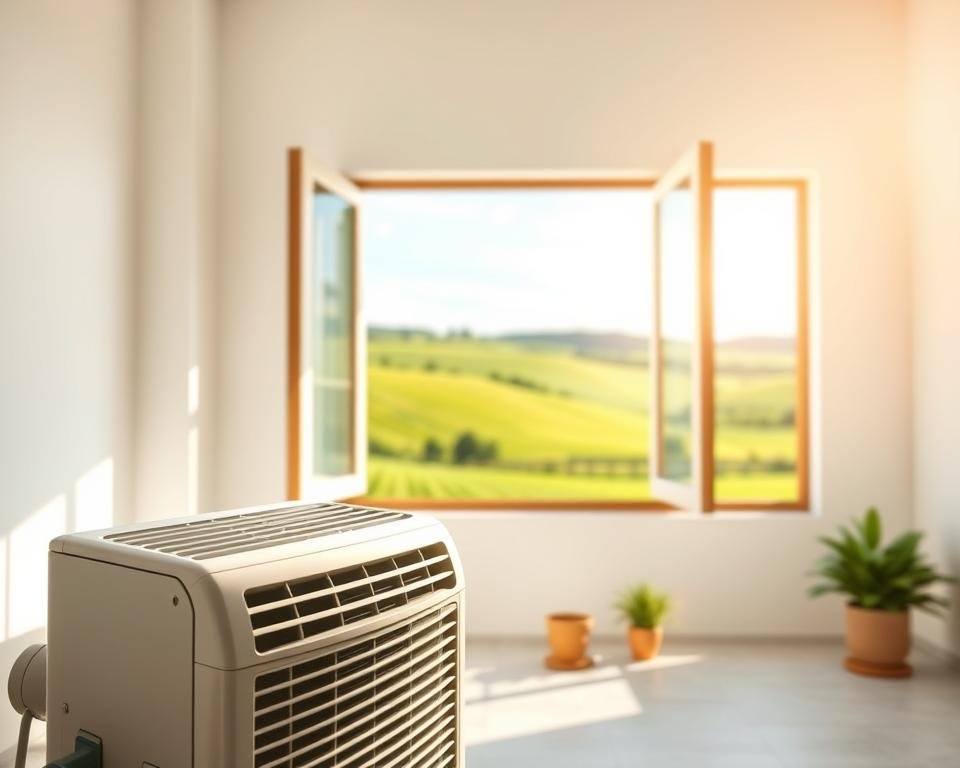
Have you ever pondered the impact of fresh air on a landlord’s cleaning standards? In today’s rental market, effective ventilation is not just a luxury; it’s a necessity. It ensures high property hygiene and tenant satisfaction. The UK government stresses that proper ventilation is key in fighting mould and damp. These issues can seriously harm tenant health and increase landlord liability.
Recent guidelines urge landlords to actively manage indoor air quality. This not only protects tenant well-being but also shields landlord interests.
Understanding the role of ventilation in rental properties is crucial for both tenant satisfaction and property upkeep. It not only improves a property’s appeal but also crucially aids in mould prevention.
A home that smells fresh makes a lasting impression on potential tenants. This pleasant scent indicates that the property is well looked after. By focusing on ventilation, landlords create welcoming spaces. This leads to tenant happiness and encourages them to stay longer. A clean, aromatic atmosphere is linked to quality living, making it essential for property management.
Without enough ventilation, moisture builds up, creating an ideal environment for mould and damp. These issues can harm both health and the property’s structure, posing significant risks for landlords. Properties with poor airflow often have bad air quality, which can cause respiratory problems for tenants. Recognising the importance of proper ventilation helps landlords avoid these risks, ensuring their tenants’ safety and comfort.
Properties often face various air quality challenges that can affect inspections. Lingering cooking odours and tobacco smells create an unpleasant atmosphere. These issues raise concerns about potential failures in cleaning standards. It’s vital to understand these challenges and their impact on tenant satisfaction and health.
Cooking odours can easily permeate fabrics, walls, and even ceilings, creating an unwelcoming environment. Tobacco smells present similar challenges, often lingering long after the source has been removed. Both types of odours can significantly detract from a property’s appeal. It’s crucial for landlords to address this aspect of air quality promptly.
Indoor dampness is another critical issue that can lead to mould growth and health concerns. Closed-up rooms often trap moisture and stale air, resulting in a musty smell. This environment not only attracts potential health risks but also contributes to significant cleaning issues during inspections.
Preparing for an inspection is more than just cleaning. It requires specific actions to effectively freshen indoor air. Simple inspection tips can make a property feel welcoming and well-maintained. Two effective methods include letting in fresh air and using natural air purifiers.
Letting fresh air circulate through the space is crucial before any inspection. Opening windows in every room allows stale air to escape and fresh outdoor air to enter. This natural ventilation reduces unpleasant odours and improves overall air quality. It creates a pleasant environment for prospective tenants or inspectors.
Using natural air purifiers is another effective way to freshen indoor air. Adding potted plants, such as spider plants or peace lilies, known for their air-purifying qualities, is beneficial. Alternately, placing bowls of vinegar around the property can help neutralise lingering smells. These methods not only improve air quality but also show a commitment to a healthy living environment.

Landlords often grapple with the task of keeping indoor air fresh. Air fresheners might seem like an easy fix for bad smells. Yet, their ability to truly eliminate odours is often in doubt. Using them to mask smells can inadvertently highlight the presence of underlying issues if the fragrances are too strong.
Choosing subtle scents can make a space feel inviting without raising eyebrows. Strong fragrances from air fresheners can, on the other hand, make tenants suspicious. They might wonder about the property’s cleanliness. Finding the right balance is crucial to maintaining a fresh atmosphere without appearing to hide problems.
It’s vital to tackle the root cause of odours for real air quality improvement. Instead of solely relying on air fresheners and scented products, landlords should adopt strategies that enhance ventilation and cleanliness. Natural methods, like ensuring good airflow and regular cleaning, can effectively remove bad smells. They also contribute to a healthier indoor environment.
Professional cleaning services are crucial for maintaining optimal air quality. They use specialised techniques to target various air impurities. This leads to a significant improvement in air quality within properties.
Steam cleaning is a highly effective method. It refreshes carpets and targets deep-seated dust, allergens, and odours. The steam penetrates fabrics and fibres, breaking down grime and sanitising surfaces. This results in a cleaner living environment, promoting healthier air for tenants.
Professional cleaning also involves disinfecting vents and high-traffic areas. This practice limits dust and allergen build-up, improving indoor air quality. Regular maintenance of these spaces creates a fresher atmosphere, reducing health risks for occupants. Engaging professionals in these techniques enhances property cleanliness and boosts tenant satisfaction.
Odour issues often lead to tenant complaints, affecting both comfort and financial responsibilities for landlords. These complaints stem from unpleasant smells that can damage a property’s reputation. They also lead to difficult discussions about deposit deductions. Identifying the sources of these odours is crucial for effective property management.
Tenants frequently report odour issues from various sources, making them a major concern for landlords. Keeping open communication about air quality and cleanliness can reduce these complaints. Landlords who quickly address smell-related issues create a more harmonious living space. This is vital for keeping tenants happy.
Common sources of unpleasant odours include pet bedding, kitchen waste, and damp areas. These can lead to deposit deductions if properties are not kept clean. By effectively managing potential odour sources, landlords can avoid expensive cleaning charges. This helps in building a better relationship with tenants.
As the property inspection day draws near, ensuring the air remains fresh is crucial for landlords. Simple yet effective strategies can significantly impact how your property is viewed. By implementing these fresh air tips before the inspection, you can greatly improve your home’s atmosphere. This makes it more inviting and well-maintained for potential viewers.
One key strategy to ensure your property is ready for inspection is to avoid cooking pungent foods the night before. Aromas from ingredients like fish, garlic, or certain spices can linger, potentially leaving a bad impression. By carefully planning your meals in advance, you can create a more neutral and fresh environment.
Regularly emptying rubbish bins and ensuring proper ventilation is also vital for a pleasant indoor atmosphere. Keeping waste bins clean and removing rubbish helps eliminate odours and promotes a healthier living space. Periodically opening windows to let in fresh air can also greatly improve the property’s appeal during inspections.


