
- 22/02/2024
- Category: Expert Tips, House Cleaning
- Author: Kris Foster
- 520
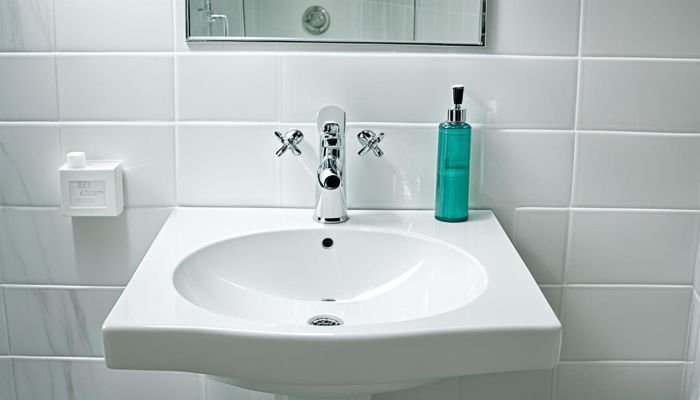
Maintaining a clean and hygienic bathroom is essential for any homeowner. But how do you achieve a spotless bathroom without spending a fortune on professional cleaners? The answer lies in expert DIY cleaning strategies specifically designed for tiles and grout. In this comprehensive guide, we will share top-notch techniques, step-by-step instructions, and the best cleaning products to transform your bathroom into a sparkling oasis.
From understanding the essentials of bathroom sanitization to tackling tough grime, we’ve got you covered. Discover how to choose the right cleaning products, learn professional techniques for home bathroom cleaning, and find out how to maintain a spotless bathroom even in areas with hard water. Get ready to revolutionize your cleaning routine and enjoy a bathroom that shines with cleanliness.
In this section, we will introduce the concept of comprehensive DIY bathroom cleaning and its importance in maintaining a clean and hygienic space. A clean bathroom is essential for promoting good health and preventing the spread of germs and bacteria. With the right cleaning techniques and products, you can achieve a spotless and inviting bathroom that enhances the overall hygiene of your home.
Cleaning your bathroom might seem like a daunting task, but breaking it down into manageable steps can make the process more efficient and effective. By following DIY cleaning strategies, you can save time and money while ensuring the cleanliness and freshness of your bathroom.
One of the fundamental components of DIY bathroom cleaning is bathroom sanitization. Sanitization involves the removal of harmful germs, bacteria, and viruses from surfaces to prevent the spread of illnesses and maintain a hygienic environment.
When cleaning your bathroom, it’s important to disinfect frequently touched surfaces, such as faucets, doorknobs, and light switches. These areas can harbor germs and bacteria and should be thoroughly cleaned and disinfected regularly. Additionally, ensure that you are using the appropriate cleaning products that are effective against a wide range of pathogens.
Preventing the buildup of dirt, soap scum, and mould is also crucial for bathroom sanitization. Regular cleaning and proper ventilation can help minimize these issues and keep your bathroom looking clean and fresh.
By understanding the essentials of bathroom sanitization and incorporating them into your cleaning routine, you can create a clean and hygienic space that promotes wellbeing and comfort for you and your family.
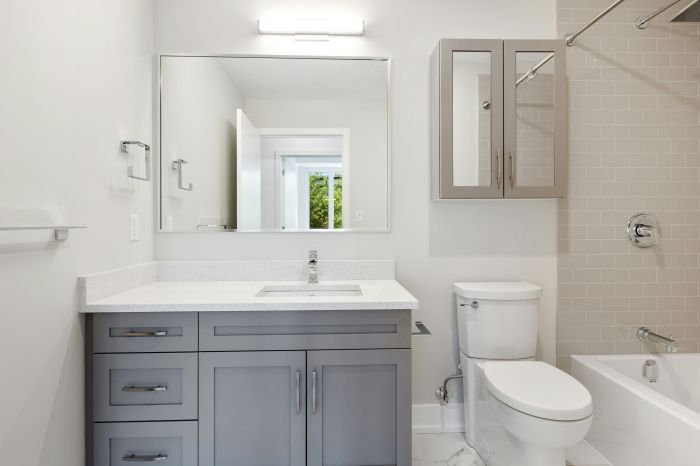
Deep cleaning your bathroom is crucial for maintaining a hygienic and sparkling environment. This guide will take you through a detailed process to target tough grime on tiles and grout, ensuring your bathroom shines from top to bottom.
1.1. Gather all necessary cleaning supplies – Ensure you have a scrub brush, microfiber cloths, a suitable tile and grout cleaning solution, and protective gloves ready.
1.2. Choose the right cleaning solution – Opt for a cleaner that is both effective against tough grime and safe for your specific types of tiles and grout.
2.1. Spray the cleaner onto tiles and grout – Focus on areas with visible grime and stains.
2.2. Let the solution sit – Allow it to penetrate the dirt and grime for a few minutes to loosen them up.
3.1. Scrub the tiles and grout – Use the scrub brush on tiles and a small brush or grout cleaning tool for grout lines. Apply firm pressure to tackle stubborn stains.
3.2. Address tough stains – For persistent grime or stains, consider repeating the process or using a stronger cleaner designed for deep cleaning.
4.1. Rinse with clean water – Remove any cleaning solution residue.
4.2. Wipe surfaces dry – Use a damp microfiber cloth for a thorough clean and dry finish.
5.1. Be mindful of the material – Some tiles, like natural stone, require gentler cleaners to avoid damage.
5.2. Follow manufacturer’s instructions – For specific tile and grout types, consult the manufacturer’s guidelines or seek professional advice for the best cleaning approach.
Supply:
Tools:
Following this guide will help ensure your bathroom is not only clean but also hygienic. Regular deep cleaning, especially targeting tough grime on tiles and grout, is essential for maintaining the overall cleanliness and aesthetics of your bathroom space. Always adapt cleaning techniques and solutions to your bathroom’s specific materials to prevent damage and achieve the best results.
Deep cleaning your bathroom is essential to maintain a spotless and hygienic space. In this step-by-step guide, we will cover each area of the bathroom, including the shower, bathtub, toilet, sink, and floors. Our focus will be on tackling tough grime on tiles and grout, ensuring a thorough clean that leaves your bathroom looking pristine.
To begin, gather all the necessary cleaning supplies, including a scrub brush, microfiber cloths, a cleaning solution suitable for tiles and grout, and protective gloves. It’s important to choose a cleaning solution that is effective against tough grime and safe to use on your specific tile and grout surfaces.
Start by spraying the cleaning solution onto the tiles and grout, focusing on areas with visible grime and stains. Allow the solution to sit for a few minutes to loosen the dirt and tough grime. Use a scrub brush to scrub the tiles and grout, applying firm pressure to remove stubborn stains. For grout lines, you may need to use a small brush or a grout cleaning tool to get into the crevices and corners.
After scrubbing, rinse the tiles and grout with clean water to remove any residue from the cleaning solution. Use a damp microfiber cloth to wipe down the surfaces and ensure a thorough clean. For areas with areas tough grime or stains that are difficult to remove, you may need to repeat the process or try a stronger cleaning solution specifically designed for deep cleaning.
It’s important to note that different types of tiles and grout may require specific cleaning techniques. For example, natural stone tiles may need a gentler cleaning solution without any acidic ingredients that could cause damage. Always refer to the manufacturer’s instructions or consult a professional if you’re unsure about the best cleaning approach for your specific tiles and grout.
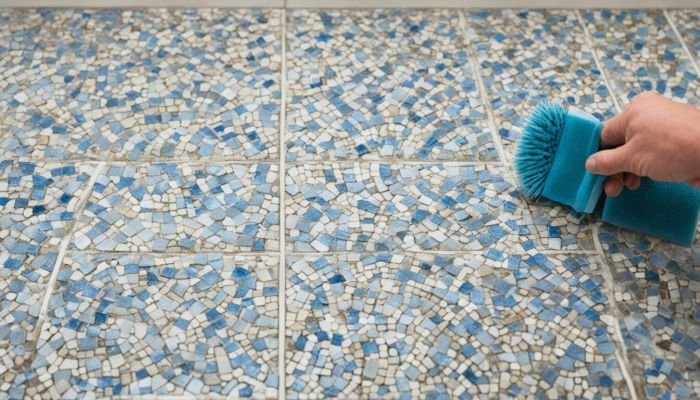
By following this step-by-step guide, you can effectively target tough grime on tiles and grout and achieve a deep clean in your bathroom. Remember to regularly maintain cleanliness in your bathroom to prevent the buildup of grime and make the cleaning process easier in the future.
Choosing the right cleaning products is essential for effective bathroom cleaning. In this section, we will recommend the best DIY cleaning products for your bathroom, including natural alternatives and commercially available options. We will also provide guidance on how to choose and use effective disinfectants and cleaners, considering factors such as surface compatibility and environmental impact.
When it comes to keeping your bathroom clean and germ-free, selecting the right disinfectants and cleaners is crucial. Here are some guidelines to help you make informed choices:
By selecting the right cleaning products and using them correctly, you can ensure that your bathroom remains clean, hygienic, and free from harmful bacteria.
Cleaning your bathroom doesn’t have to be a daunting task. With the right professional techniques, you can easily achieve a spotless and hygienic bathroom. In this section, we will explore detailed approaches to scrubbing and sanitizing various bathroom surfaces, including tiles, grout, fixtures, and mirrors.
To ensure a thorough clean, begin by gathering your cleaning supplies. You’ll need a scrub brush or sponge, a non-abrasive cleaner suitable for your bathroom surfaces, and a disinfectant. It’s important to choose products that are safe to use and effective in removing dirt and germs.
Start by scrubbing the tiles and grout. Use a brush or sponge along with a suitable cleaner to remove any dirt or stains. Pay close attention to areas with heavy traffic or buildup. A gentle scrubbing motion will help lift dirt and grime, leaving your tiles looking fresh and clean. For stubborn grout stains, you may need to use a specialized grout cleaner or create a paste with baking soda and water.
Next, move on to the fixtures and mirrors. Use a non-abrasive cleaner and a soft cloth to wipe down faucets, handles, and other metal surfaces. For mirrors, a glass cleaner or a mixture of vinegar and water can effectively remove smudges and streaks.
Sanitize all surfaces to ensure your bathroom is not only clean but also free from harmful germs. Apply a disinfectant to high-touch areas such as doorknobs, light switches, and countertops. Let the disinfectant sit for the recommended time before wiping it away.
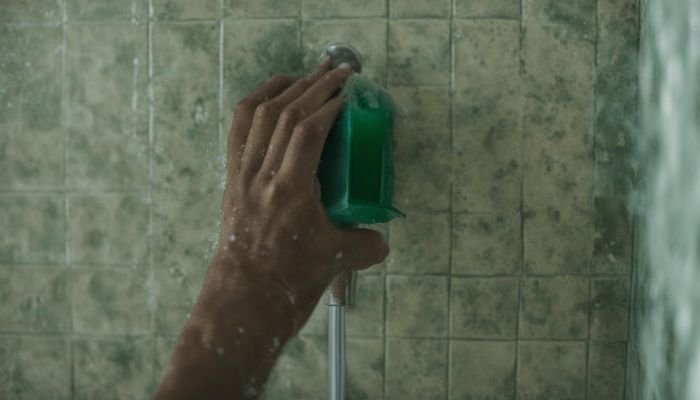
By incorporating these professional techniques into your regular cleaning routine, you can maintain a high level of cleanliness in your home bathroom. Remember to clean your bathroom regularly to prevent the buildup of dirt and grime. With these strategies, you’ll have a sparkling, spotless bathroom that you can be proud of.
Maintaining the cleanliness of your bathroom can be a daunting task, especially in areas with hard water like London. The high mineral content in hard water can lead to limescale buildup, leaving unsightly stains on your fixtures and surfaces. However, with the right daily and weekly cleaning routines, you can keep your bathroom spotless and prevent the negative effects of hard water.
When it comes to daily cleaning, it’s important to focus on the areas that are most prone to limescale buildup. Start by wiping down your shower walls, bathtub, and sink with a damp cloth to remove any residue. Use a mild bathroom cleaner to combat the effects of hard water and prevent limescale from forming. For daily maintenance, consider using a spray cleaner specifically formulated to tackle limescale and prevent its buildup.
In addition to your daily cleaning routine, it’s essential to incorporate a weekly deep cleaning session to tackle more stubborn limescale deposits. Begin by spraying a limescale remover on your showerhead, faucets, and other fixtures. Allow the cleaner to sit for a few minutes to dissolve the limescale, then scrub the surfaces with a soft-bristled brush or sponge. Rinse thoroughly to remove any residue.
When cleaning your bathroom surfaces, it’s crucial to choose the right cleaning products that are effective against limescale and safe for your fixtures. Consider using a vinegar and water solution for natural cleaning or look for commercially available cleaners specifically formulated for hard water. Be sure to follow the instructions on the product label and take necessary precautions such as wearing gloves and ensuring proper ventilation.
| Daily Cleaning Tasks | Weekly Cleaning Tasks |
|---|---|
| Wipe down shower walls, bathtub, and sink | Apply limescale remover to showerhead, faucets, and fixtures |
| Clean and disinfect toilet | Scrub tiles and grout to remove limescale buildup |
| Empty and clean trash bins | Deep clean shower enclosure or bathtub |
| Refresh towels and bathmat | Clean and polish mirrors |
By incorporating these daily and weekly cleaning strategies, you can effectively combat limescale and maintain a spotless bathroom even in London’s hard water. Remember to stay consistent and make bathroom cleaning a regular part of your routine to achieve long-lasting cleanliness.
In conclusion, achieving a spotless bathroom is within reach for every homeowner. By following the expert DIY cleaning strategies and professional techniques outlined in this article, you can maintain a clean and hygienic bathroom that shines with cleanliness.
Regular cleaning and maintenance play a crucial role in ensuring a spotless bathroom. By incorporating these practices into your cleaning routine, you can prevent the buildup of dirt, soap scum, and mould, and keep your bathroom looking fresh and inviting.
Remember to choose the right cleaning products for your bathroom, considering factors such as surface compatibility and environmental impact. Whether you opt for natural alternatives or commercially available options, using effective disinfectants and cleaners will help you achieve optimal results.
Implementing the professional techniques shared in this article, such as detailed approaches to scrubbing and sanitizing, will further enhance the cleanliness of your bathroom. These techniques can help you tackle tough grime on tiles, grout, fixtures, and mirrors, ensuring every surface shines with cleanliness.
By making these strategies a part of your cleaning routine and paying special attention to areas with hard water, you can maintain a spotless bathroom that stands the test of time. Enjoy the comfort and cleanliness of a sparkling bathroom by incorporating these expert tips into your cleaning routine.
Maintaining a clean bathroom is essential for any homeowner to ensure hygiene and comfort. A clean bathroom helps prevent the spread of germs, reduces the risk of infections, and creates a pleasant environment for personal care.
Bathroom sanitization involves disinfecting surfaces and preventing the buildup of dirt, soap scum, and mold. Disinfectants kill germs and bacteria, while regular cleaning helps maintain cleanliness and prevent the growth of harmful substances.
Deep cleaning your bathroom involves thorough cleaning of each area, including the shower, bathtub, toilet, sink, and floors. This includes removing tough grime from tiles and grout. Follow our step-by-step guide for detailed instructions on achieving a deep clean in your bathroom.
We recommend using natural alternatives such as vinegar, baking soda, and lemon juice for an eco-friendly approach. However, commercially available cleaning products specifically designed for bathroom use can also be effective. Choose products that are suitable for your surfaces and have proven disinfecting properties.
Professional techniques can elevate your bathroom cleaning routine. Scrubbing and sanitizing various bathroom surfaces, including tiles, grout, fixtures, and mirrors, require specific approaches. Follow our detailed instructions for professional techniques to achieve a higher level of cleanliness.
Areas with hard water, like London, require specific strategies to tackle limescale buildup. We provide daily and weekly cleaning routines designed to address the challenges posed by hard water. Follow our strategies to ensure long-lasting cleanliness in your bathroom.


