
- 02/03/2024
- Category: Expert Tips
- Author: Kris Foster
- 473
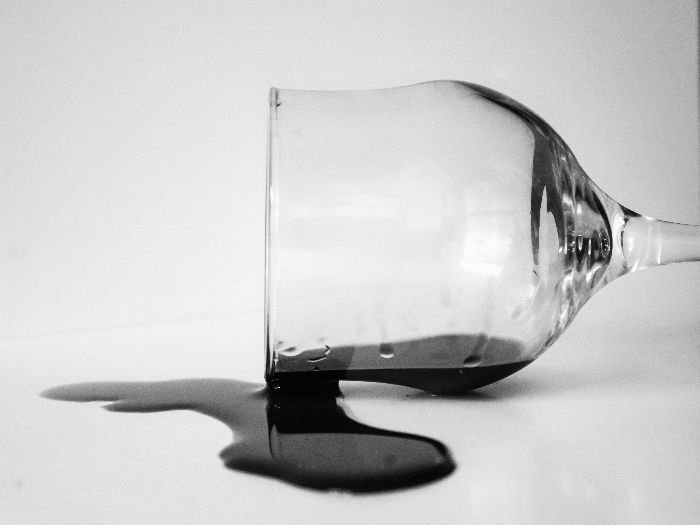
Did you know that wine stains are one of the most common household stains in the United Kingdom? In fact, studies show that over 40% of UK households have dealt with wine stains on their clothing, carpets, or furniture. The struggle to remove these stubborn marks can be frustrating, but fear not, because we’ve got you covered with our top DIY solutions for removing wine stains. In this article, we’ll share essential tips and tricks for tackling wine stains, so you can confidently save your textiles from these unsightly blemishes.
When it comes to wine stains, quick action is key. The longer the stain sits, the harder it becomes to remove. In this section, we’ll explore the best DIY strategies for tackling fresh red wine spills. From quick response strategies to surface-specific solutions, we’ll provide you with the knowledge and techniques to effectively remove wine stains from different surfaces in your home.
When dealing with a fresh red wine spill, it’s important to act swiftly. First, grab a few paper towels or a clean cloth and gently blot the stain. Avoid rubbing or scrubbing the stain, as this can spread it or push it deeper into the fabric or surface. By blotting the stain, you are absorbing as much of the wine as possible, helping to prevent it from setting in.
Once you’ve blotted the stain, you can take further action depending on the surface. For clothing, pretreat the stain with a mild detergent, dish soap, or hydrogen peroxide before washing as usual. For carpets, you can mix a solution of dish soap and water, apply it to the stain, and blot until the stain disappears. With furniture, check the manufacturer’s guidelines and use an appropriate upholstery cleaner or consult a professional if needed.
Each surface requires a tailored approach when it comes to wine stain removal. Here are some effective surface-specific solutions:
Clothing: For fabric garments, you can create a DIY stain remover by mixing equal parts dish soap and hydrogen peroxide. Apply the mixture to the stain, let it sit for a few minutes, and then launder as usual.
Carpets: Sprinkle a generous amount of salt onto the stain while it’s still wet. The salt will help absorb the wine. After a few minutes, vacuum up the salt, and if needed, you can follow up with a carpet cleaner designed for removing stains.
Furniture: For upholstery, start by blotting the stain with a clean cloth or paper towels. Then, mix a small amount of dish soap with water and apply it to the stain using a sponge or cloth. Blot the area until the stain is lifted, and allow it to air dry.
With these surface-specific solutions and quick response strategies, you’ll be armed with the knowledge to tackle red wine stains effectively. Remember, the key is to take action as soon as possible to prevent the stain from setting in. Now, let’s explore some kitchen magic and everyday items that can work wonders in removing wine stains.
Did you know that you can find effective wine stain removal solutions right in your kitchen? In this section, we’ll reveal the kitchen magic that can help you perform wine stain alchemy. We’ll dive into the versatility of baking soda and how it can be used to remove wine stains from various surfaces. Additionally, we’ll explore the counterintuitive approach of using white wine to rescue red wine stains. You’ll be amazed by the power of these everyday items to tackle wine stains with ease.
When it comes to DIY wine stain removal, baking soda is a true hero. Its ability to absorb and neutralize odors makes it a versatile solution for various surfaces. Begin by blotting up as much wine as possible using a clean cloth or paper towel. This will prevent the stain from spreading. Then, sprinkle baking soda generously over the stain and let it sit for about 10 minutes to absorb the moisture. Afterward, carefully vacuum or brush away the baking soda residue.
If the wine stain persists, create a baking soda paste by mixing equal parts baking soda and water. Apply the paste to the stain and gently scrub it using a soft brush or cloth. Let it sit for another 10 minutes before rinsing it off with cold water. The baking soda will help lift the stain, leaving your surface clean and fresh.
Whether it’s carpets, upholstery, or clothing, baking soda is a go-to solution for DIY wine stain removal.
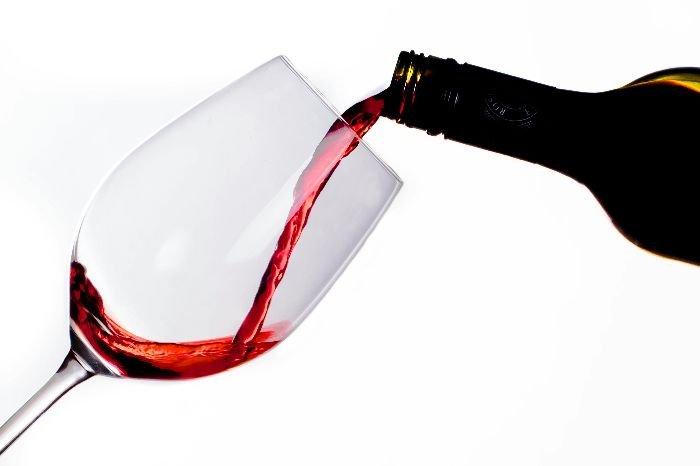
It may seem counterintuitive, but white wine can actually be used to rescue red wine stains. When red wine is spilled, quickly pour white wine over the stained area. The white wine’s acidity will help to neutralize the red wine pigment, making it easier to remove the stain later on.
After pouring the white wine, blot the stained area gently with a clean cloth or paper towel to absorb as much liquid as possible. Then, follow the appropriate stain removal technique for the surface involved. This two-step process can significantly improve your chances of completely eliminating the red wine stain.
So, instead of panicking when red wine spills happen, reach for a bottle of white wine and let it work its magic.
When it comes to removing red wine stains, Londoners have perfected some ingenious DIY techniques. In this section, we’ll share with you their tried and tested stain removal hacks that are sure to impress. By utilizing these London-tested methods, you can effectively eliminate red wine stains and restore the beauty of your textiles.
Salt, a pantry staple, can work wonders in tackling red wine stains. Simply sprinkle a generous amount of salt onto the fresh stain, allowing it to absorb the wine. This technique is particularly effective for fabrics like clothing and carpets. Let the salt sit for a few minutes, and then gently blot the area with a clean cloth or paper towel. The salt will draw out the wine, leaving your textiles looking fresh and stain-free.
If you’re looking to add a touch of elegance to the process of stain removal, cornstarch is your secret weapon. Create a paste by mixing cornstarch with water until you achieve a thick consistency. Apply the paste to the red wine stain and let it dry completely. Once dry, gently brush off the cornstarch residue and marvel at the vanishing stain. This technique works wonders for delicate fabrics and upholstery, eliminating red wine stains with finesse.
So, whether you opt for the power of salt or the cornstarch conundrum, these London-tested DIY stain removal hacks will help you say goodbye to red wine stains. Get ready to restore the beauty of your textiles and impress your dinner guests with your stain-removing prowess.
You can try several DIY solutions to remove wine stains. Quick response strategies for fresh spills include dabbing the stain with paper towels or a clean cloth and avoiding scrubbing to prevent spreading. Salt or baking soda can be used to absorb the wine before applying a surface-specific solution. Additionally, explore the versatility of baking soda and the counterintuitive approach of using white wine to remove red wine stains. Discover DIY stain removal hacks using salt and cornstarch that have been effective for many.
Act quickly with fresh red wine spills to prevent the stain from setting. Dab the stain with paper towels or a clean cloth rather than scrubbing, which can worsen it. Salt or baking soda can be applied to absorb the wine before you treat the stain with a tailored solution.
For clothing, a mixture of dish soap and hydrogen peroxide can be effective. Carpets may respond well to a blend of dish soap and water or a vinegar solution. Furniture stains can be treated with a concoction of dish soap, water, and hydrogen peroxide to lift the wine.
Baking soda can be used on various surfaces to remove wine stains. Create a paste with baking soda and water, apply it to the stain, let it dry, then brush or vacuum the residue. Baking soda is excellent for absorbing the wine and lifting the stain.


