
- 06/03/2024
- Category: Expert Tips
- Author: Kris Foster
- 432
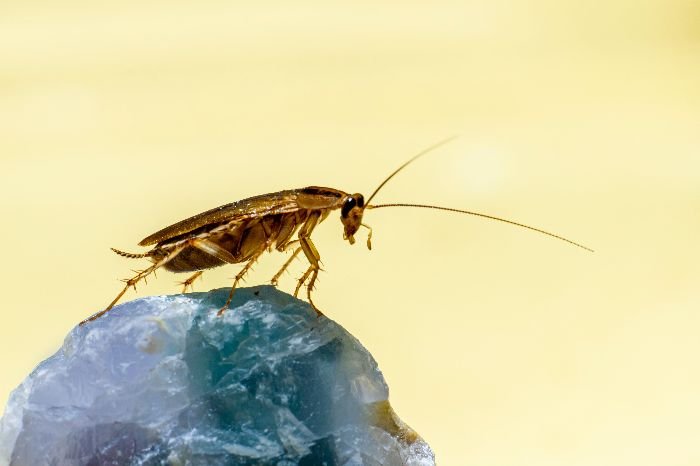
Did you know that pest infestations in rental properties can lead to tenant complaints and deposit disputes? In fact, according to a recent study, pest-related issues were the cause of 60% of deposit disputes in the UK. Dealing with pests can be a major headache for landlords and letting agents, but with the right DIY pest control strategies, you can maintain a pest-free property during the end of tenancy.
When it comes to maintaining rental properties, pest control is a crucial aspect that cannot be overlooked. Effective pest control not only prevents property damage but also helps minimize tenant complaints and deposit disputes. As a landlord or letting agent, it is essential to address pest infestations quickly and efficiently, especially during the end of tenancy period.
Pest control plays a vital role in maintaining rental properties. By proactively managing pests, landlords can prevent potential hazards and protect the value of their properties. When pests infiltrate a rental property, they can cause significant damage to structures, furnishings, and even electrical systems. Additionally, pests such as rodents and insects can carry diseases, putting the health and well-being of tenants at risk.
Moreover, tenant complaints related to pest infestations can tarnish the reputation of a property and negatively impact occupancy rates. This can result in financial losses and difficulties in finding new tenants. By prioritizing pest control, landlords can ensure a clean, safe, and pest-free living environment for their tenants, enhancing tenant satisfaction and reducing turnover.
When it comes to pest control in London homes, it is essential to be able to identify common pests that are prevalent in the area. By recognizing the signs of pest infestations, landlords and tenants can take prompt action to prevent further damage and effectively eliminate pests. Some common pests found in London homes include:
By being aware of these common pests and their behaviors, landlords and tenants can take necessary precautions and implement effective pest control methods to maintain a pest-free environment in London homes.
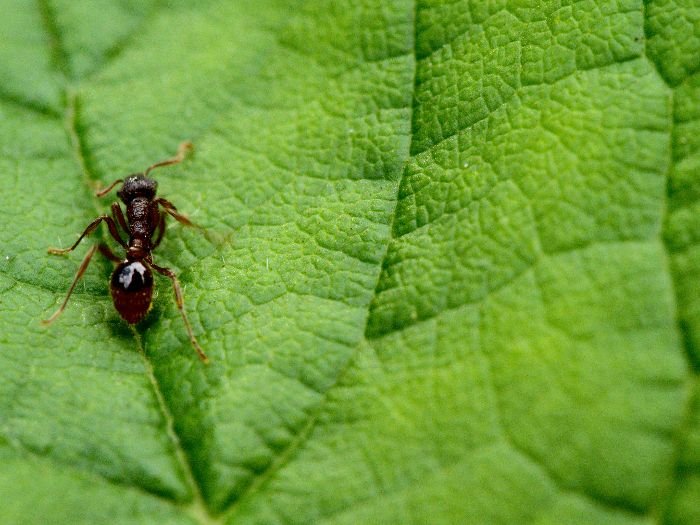
Before starting the end-of-tenancy cleaning, it is essential to identify signs of pest infestations. By being aware of these signs, you can take appropriate measures to address them effectively. Some common signs of pest infestations include:
By paying attention to these signs, you can be proactive in addressing pest infestations and ensure a clean and pest-free living environment.
Before implementing pest control measures, it is crucial to prepare your space appropriately. This ensures that the chosen pest control methods are more effective and yield long-lasting results. Here are some essential steps to prepare your space for effective pest control:
By following these pre-cleaning preparation steps, you can enhance the effectiveness of your pest control efforts and create an environment that is less attractive to pests.
When it comes to combatting common pests, DIY pest control strategies can be highly effective. Not only are they cost-saving, but they also provide homeowners with the opportunity to tackle pest infestations using natural remedies and safe commercial pest control products. In this section, we will explore some natural remedies for combatting common pests and highlight the importance of using commercial products safely.
One of the advantages of DIY pest control is the availability of natural remedies that can effectively deter pests. Peppermint oil, for example, can be used to repel mice and spiders. These pests have a strong aversion to the scent of peppermint, making it an ideal natural repellent. Simply place peppermint oil-soaked cotton balls in areas where pests are frequently seen.
Another natural remedy involves using a vinegar solution to deter ants. Create a mixture of equal parts vinegar and water, then spray it in areas prone to ant activity, such as entry points or countertops. The strong odor of vinegar disrupts their pheromone trails, preventing them from entering your home.
For bed bug control, essential oils are widely used due to their insecticidal properties. Tea tree oil and lavender oil, for example, have been found to be effective in repelling and killing bed bugs. Mix a few drops of the essential oils with water and spray the solution on bed frames, mattresses, and other infested areas.
While natural remedies can be successful in combating pests, there are instances where commercial pest control products are necessary. When using these products, it is crucial to prioritize safety by following the provided guidelines and instructions.
Start by reading the product label carefully and understanding the recommended usage and precautions. Ensure that the product is intended for the specific pest you are targeting. Remember to wear appropriate protective gear, such as gloves and a mask, when handling chemical-based products.
When applying commercial pest control products, avoid overuse or excessive application. Using more than the recommended amount may not provide better results and can pose unnecessary risks to your health and the environment. Always store these products in a safe place, away from children and pets.
By using natural remedies and commercial pest control products safely, homeowners can effectively combat common pests, ensuring a pest-free environment.
When it comes to effective pest control during end-of-tenancy cleaning, it is essential to focus on high-risk areas that are prone to infestations. These areas include the kitchen and bathroom, which are considered hotspots for pests.
The kitchen and bathroom are areas where pests often find abundant sources of food, water, and shelter. Regular cleaning and maintenance of these spaces are crucial in preventing pest infestations.
To effectively clean the kitchen, start by removing all food debris and crumbs from countertops, cabinets, and appliances. Pay extra attention to areas behind and underneath appliances, as these are common hiding spots for pests. Ensure proper storage of food items in tightly sealed containers to avoid attracting pests.
In the bathroom, regularly clean and sanitize all surfaces, including sinks, toilets, and showers. Keep drains clear and in good condition to prevent moisture buildup, which can attract pests like silverfish and cockroaches.
By thoroughly cleaning and maintaining these high-risk areas, you can reduce the likelihood of pests taking up residence in your rental property.
While it’s easy to focus on visible areas of the property, it’s important not to overlook attics, basements, and storage areas. These areas are often neglected but can serve as potential breeding grounds for pests.
Start by decluttering and organizing these spaces to eliminate hiding spots for pests. Seal any cracks or openings that may serve as entry points for pests. Regularly inspect and maintain insulation in attics to prevent rodents from nesting. Keep basements dry and well-ventilated to deter mold growth and pests. In storage areas, use sealed containers to store items and keep them elevated off the floor.
By taking preventive measures in attics, basements, and storage areas, you can help prevent hidden infestations and maintain a pest-free environment in your rental property.
Once the end-of-tenancy cleaning is complete, it is crucial to follow post-cleaning pest prevention tips to maintain a pest-free environment. By implementing these strategies, you can ensure that pests stay at bay and protect your property from infestations.
One of the most effective ways to prevent pests is by maintaining daily habits that discourage their presence in your space. Regular cleaning is essential, as crumbs and food residues can attract pests. Make sure to clean up spills promptly, sweep the floors, and wipe down surfaces regularly.
Proper food storage is also crucial in keeping pests away. Store food in tightly sealed containers to prevent access for pests such as ants, rodents, and insects. Dispose of garbage regularly, ensuring that bin lids are securely closed to prevent pests from foraging.
Additionally, maintaining a clean and tidy space can deter pests. Declutter areas where pests can find hiding spots, such as stacks of cardboard boxes or piles of clothing. Regularly vacuuming and dusting will help eliminate food sources and potential habitats for pests.
While DIY pest control strategies can be effective in many cases, there are situations where professional pest control services are necessary. If you are dealing with severe infestations or specialized treatments, it is recommended to seek the help of professionals. They have the knowledge, experience, and resources to effectively eliminate pests from your property.
If you notice persistent pest activity despite your efforts or if you encounter pests that may pose health risks, it is advisable to call professional pest control services. They can assess the situation, identify the underlying causes of the infestation, and provide targeted treatments to eliminate pests completely.
Remember, prompt action is crucial when it comes to pest control. The sooner you address pest issues, the easier and more cost-effective it will be to manage them. By staying proactive and knowing when to seek professional help, you can ensure a pest-free environment for your property and maintain the satisfaction of your tenants.
Pest control is important in maintaining rental properties as it helps prevent property damage, tenant complaints, and deposit disputes. Pests can cause damage to the property and lead to tenant dissatisfaction, which can result in disputes over the security deposit.
Common pests found in London homes include rats, mice, wasps, fleas, insects, cockroaches, and bed bugs. Identifying these pests is essential for effective pest control during end-of-tenancy cleaning.
Signs of pest infestations include droppings, nests, excess nesting material, chewed furniture, rustling noises, holes in walls and flooring, strange smells, and insect trails. It is important to identify these signs before starting the end-of-tenancy cleaning to address any pest issues effectively.
To prepare your space for effective pest control, start by cleaning and decluttering the area. Seal off entry points where pests can enter the property and address any potential breeding grounds for pests, such as standing water or food sources.
High-risk areas such as the kitchen and bathroom are hotspots for pests. It is important to focus on cleaning these areas thoroughly to prevent pest infestations. Additionally, attics, basements, and storage areas are often overlooked but can be potential breeding grounds for pests, so taking preventive measures in these areas is crucial.
After completing the end-of-tenancy cleaning, it is important to implement post-cleaning pest prevention tips to ensure a pest-free environment. This can include adopting daily habits such as regular cleaning, proper food storage, and maintaining a clean and tidy space. However, if you’re dealing with severe infestations or situations that require specialized treatment, it is advisable to call professional pest control services.


