
- 14/02/2024
- Category: Expert Tips
- Author: Kris Foster
- 557

Did you know that in London, tenants lose an average of £523 from their deposit due to mistakes in DIY end-of-tenancy cleaning?
End of tenancy cleaning is a critical task that can determine whether tenants will receive their full deposit back. However, many tenants make common mistakes that can result in lost deposits or even legal action, leaving them out of pocket and stressed.
In this article, we will explore the most common mistakes in DIY end-of-tenancy cleaning and provide valuable tips to help you avoid them. By being aware of these mistakes and taking steps to prevent them, you can ensure a hassle-free move out and increase your chances of receiving your full deposit.
When it comes to end-of-tenancy cleaning, there are certain neglected areas that require special attention to ensure a thorough clean. These commonly overlooked spots can make a significant difference in the overall cleanliness of the property and have a direct impact on the return of your deposit. In this section, we will unveil the key areas that are often neglected and provide you with essential tips on how to effectively clean them.
These areas may seem insignificant at first glance, but neglecting them can result in a less-than-ideal cleaning outcome and potential deductions from your deposit. Let’s dive into each of these neglected nooks and explore how to tackle them efficiently.
By incorporating these cleaning tips into your end-of-tenancy routine, you can ensure that no nook goes neglected and increase your chances of a successful deposit return.
Using the wrong cleaning products or techniques can have detrimental consequences. Firstly, it can lead to damage to surfaces, causing scratches, stains, or discolouration. Secondly, improper cleaning can leave streaks or marks on various surfaces, making them appear unclean and unappealing. Lastly, using ineffective products or techniques may result in the inadequate removal of stains or grime, leaving surfaces dirty and unsightly.
It is crucial for tenants to understand the potential consequences of using the wrong cleaning agents and techniques. By being aware of these pitfalls, they can take the necessary precautions to avoid them and ensure a successful end-of-tenancy clean.
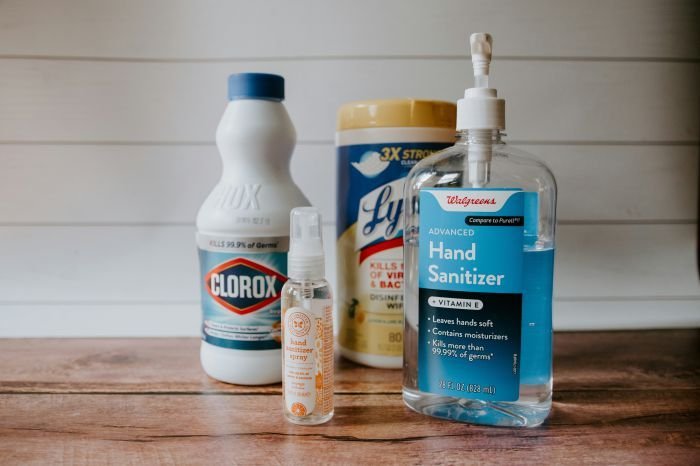
Choosing the right cleaning agents for different surfaces and materials is key to achieving a thorough and effective clean. Here are some essential cleaning products and techniques to consider:
By selecting the right cleaning products and employing effective techniques, tenants can ensure a successful end-of-tenancy clean and minimize the risk of damage or inadequate results.
Many tenants wonder how to achieve professional-level cleaning results at home. By comparing their cleaning efforts to professional standards, tenants can identify areas for improvement and ensure a more thorough end-of-tenancy clean. Additionally, implementing meticulous DIY cleaning can significantly increase the chances of a full security deposit return.
When it comes to end-of-tenancy cleaning, striving for professional standards means aiming for the same level of cleanliness as a professional cleaning service would provide. This requires meticulous attention to detail and a comprehensive approach to cleaning all areas of the rental property.
To compare your cleaning efforts to professional standards, it is helpful to create a checklist of the tasks and areas that professionals typically focus on. This can include deep cleaning carpets, removing stains from upholstery, ensuring spotless windows and mirrors, and thoroughly sanitizing kitchens and bathrooms.
This comparison will help you identify any areas that may have been overlooked or not cleaned to the same standard as a professional would. By addressing these areas, you can raise the overall quality of your DIY end-of-tenancy cleaning.
One of the main reasons tenants opt for DIY end-of-tenancy cleaning is to maximize their chances of receiving their full security deposit back. By taking the time to clean the property thoroughly and meet professional standards, tenants can significantly increase their chances of a successful deposit return.
Landlords and letting agencies expect a property to be returned in the same condition as it was rented out, including cleanliness. By achieving professional-level cleaning at home, tenants demonstrate their commitment to leaving the property in an impeccable state.
This not only enhances the likelihood of the deposit being returned in full, but it also leaves a positive impression on landlords, which can be valuable for future references or rental applications.

By comparing your cleaning efforts to professional standards and implementing meticulous DIY cleaning, you can raise the bar for your own cleaning success. Not only will this increase your chances of receiving your full deposit back, but it will also leave you with a sense of accomplishment and satisfaction knowing that you have achieved a high standard of cleanliness.
Rushing through the end-of-tenancy cleaning process can have significant consequences on the overall outcome. When time is not managed effectively, there is a higher risk of missing important areas, failing to pay sufficient attention to detail, and making costly mistakes. It is crucial to approach the cleaning process with patience and a well-organized time management strategy to ensure a flawless DIY clean.
When rushing through the end-of-tenancy cleaning, it is easy to overlook certain areas that require thorough cleaning. Neglected spots can result in a subpar cleaning outcome and potential deductions from your deposit. Inadequate attention to detail can leave behind dirt, grime, or stains that are easily detectable, leading to a dissatisfied landlord or letting agent. Additionally, rushing increases the likelihood of making mistakes, such as using improper cleaning techniques or damaging surfaces, which can leave a lasting impact on the final inspection.
To avoid the risks associated with rushing, implementing effective time management strategies is key. Here are some tips to help you manage your time effectively and achieve a successful end-of-tenancy clean:
By implementing effective time management strategies, you can reduce the risks associated with rushing and ensure a stress-free and successful DIY end-of-tenancy clean.
Ensuring a successful end-of-tenancy clean is essential for tenants who want a hassle-free move out and the return of their full deposit. By following these tips, tenants can achieve a spotless handover and increase their chances of a successful deposit return.
To begin, it’s important to avoid common mistakes that can result in lost deposits or legal action. Taking the time to thoroughly clean neglected areas, such as ovens, extractor hoods, behind appliances, skirting boards, window frames, and light fittings, is crucial for a thorough clean.
Using the right cleaning products and techniques for different surfaces is also vital. Incorrect products or techniques can lead to damage, streaks, and ineffective stain or grime removal. By understanding the consequences of using the wrong products and learning about essential cleaning products and techniques, tenants can avoid these pitfalls.
Aiming for professional standards and comparing cleaning efforts to those of professionals can make a significant difference. It allows tenants to identify areas for improvement and ensure a more thorough end-of-tenancy clean, increasing the chances of receiving the full deposit back.
Finally, effective time management is crucial. Rushing through the cleaning process can result in missed areas, inadequate attention to detail, and increased chances of making mistakes. By implementing time management strategies, tenants can ensure a flawless DIY clean.
In conclusion, by avoiding common mistakes, paying attention to neglected areas, using the right products and techniques, aiming for professional standards, and managing time effectively, tenants can achieve a spotless handover and improve their chances of a successful deposit return.
Some common mistakes to avoid in DIY end-of-tenancy cleaning include neglecting certain areas, using the wrong cleaning agents or techniques, not aiming for professional standards, and rushing through the cleaning process.
Areas commonly overlooked in end-of-tenancy cleaning include ovens, extractor hoods, areas behind appliances, skirting boards, window frames, and light fittings.
To effectively clean commonly overlooked spots, such as ovens, extractor hoods, areas behind appliances, skirting boards, window frames, and light fittings, it is important to use appropriate cleaning products and techniques specific to each area. We provide tips to ensure a thorough cleaning of these specific areas in our guide.
Using the wrong cleaning agents or techniques can result in damage to surfaces, streaks, and ineffective removal of stains or grime.
Choosing the right cleaning products and techniques for a successful end-of-tenancy clean involves understanding the specific cleaning requirements for different surfaces and materials. We provide a guide on selecting the right products and techniques to avoid potential pitfalls in our comprehensive cleaning guide.
To raise your cleaning standards to match those of professionals, you can compare your cleaning efforts to professional standards, learn from their techniques and practices, and implement meticulous DIY cleaning. This will also increase your chances of receiving your full deposit back.
Rushing through end-of-tenancy cleaning can lead to missed areas, inadequate attention to detail, and increased chances of making mistakes that could result in deductions from your deposit.
Effective time management strategies are crucial for a successful end-of-tenancy cleaning process. We provide tips on how to manage time effectively to ensure a flawless DIY clean in our comprehensive cleaning guide.


