
- 29/02/2024
- Category: Expert Tips
- Author: Kris Foster
- 451
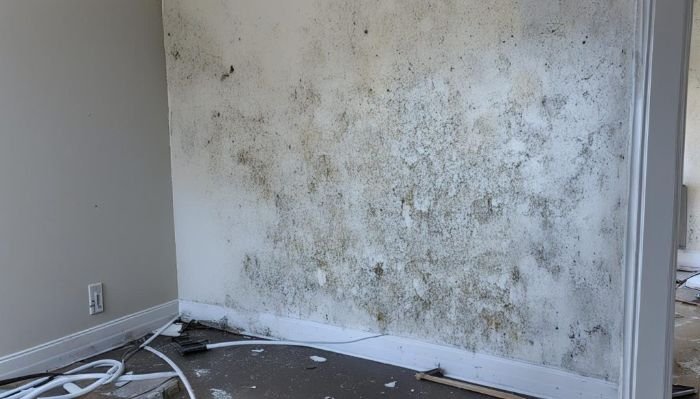
Did you know that water damage is one of the most common and costly issues homeowners face? In fact, according to recent studies, water damage is responsible for a staggering 23% of property insurance claims in the United Kingdom.
Whether it’s a burst pipe, a leaky roof, or flooding from heavy rainfall, water damage can wreak havoc on your property and pose significant health and safety risks. That’s why it’s crucial to be equipped with the right knowledge and strategies to deal with water damage effectively.
In this section, we will provide expert advice and practical tips for dealing with water damage. Discover the steps you can take to address water damage quickly and effectively, including recognizing the signs of water damage and common culprits behind it. By following these tips and tricks, you can minimize the damage and restore your property.
We will discuss the challenges you may face when cleaning up water damage. We understand that dealing with water damage can be overwhelming, but with the right knowledge and approach, you can effectively restore your property. Let’s begin by recognizing the signs of water damage.
When it comes to water damage, early detection is key. By recognizing the signs of water damage, you can take prompt action to minimize the impact. Here are some common signs to look out for:
Understanding the common causes of water damage is crucial in preventing future incidents. Here are some of the most frequent culprits:
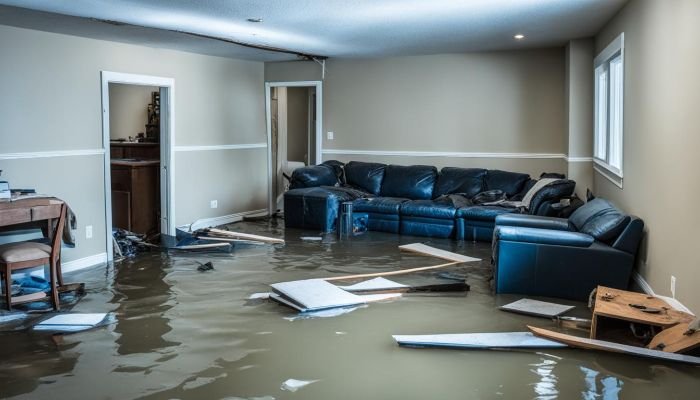
By addressing these signs and causes of water damage, you can take appropriate action to mitigate further harm. Let’s move on to the next section where we will discuss quick response strategies for effective water damage restoration.
In the event of water damage, time is of the essence. Acting quickly can help minimize further damage to your property and expedite the restoration process. In this section, we will outline the immediate steps you should take after discovering water damage and provide emergency drying techniques for rapid restoration.
By following these immediate steps, you can limit the spread of water damage and lay the foundation for a successful restoration process.
Once you’ve taken the initial steps, it’s crucial to dry out the affected areas as quickly as possible. Here are some emergency drying techniques that can help:
Remember, time is critical when dealing with water damage. By implementing these emergency drying techniques, you can hasten the restoration process and minimize potential long-term consequences.
In London, as with any other city, water damage can pose significant risks to properties. The city’s unique weather patterns contribute to specific challenges that property owners must be prepared for. In this section, we will explore the weather-specific water damage risks in London and provide valuable insights on how to prevent and address them effectively.
Rainy days are a common occurrence in London, and they can lead to various water damage issues if not addressed promptly. Excessive rainfall can result in flooding, especially in areas prone to poor drainage. Water intrusion through leaky roofs, windows, or foundations is also a concern during heavy rainfall.
To prevent and address water damage on rainy days, consider the following tips:
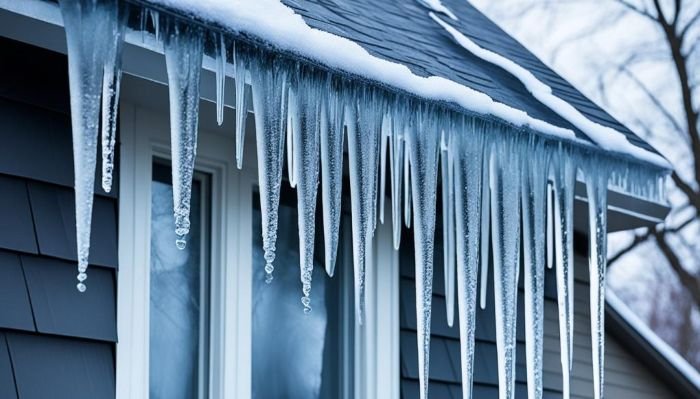
Winter in London brings its own set of challenges when it comes to water damage. Freezing temperatures can cause pipes to burst and ice dams to form. Both of these issues can lead to extensive water damage if not properly addressed.
To protect your property against cold-weather water issues, consider the following strategies:
In order to effectively mitigate water damage, it is crucial to have access to specialized tools and equipment. These tools enable efficient water extraction and aid in the drying process, ensuring the restoration of your property. In this section, we will explore some high-tech solutions for water extraction and discuss the importance of dehumidifiers and fans in the drying process.
When it comes to water extraction, advanced technology plays a vital role in expediting the process. High-tech tools such as industrial-grade pumps and vacuums are designed to quickly remove large volumes of water from affected areas. These powerful tools can efficiently extract water from carpets, flooring, and other surfaces, preventing further damage and facilitating a faster restoration process.
In addition to industrial-grade pumps and vacuums, innovative techniques like infrared imaging can be utilized to detect hidden moisture. Infrared cameras can identify areas where water may have seeped into walls, ceilings, or other concealed spaces. By pinpointing these areas, restoration professionals can take targeted action to dry out the affected spaces thoroughly.
After water extraction, proper drying is crucial to prevent mold growth and further structural damage. Dehumidifiers and fans play a vital role in this process. Dehumidifiers remove excess moisture from the air, reducing humidity levels and accelerating the drying of surfaces and materials.
Fans, on the other hand, promote air circulation and evaporation, helping to speed up the drying process. By strategically placing fans in the affected areas, you can enhance airflow and facilitate effective drying. It is important to note that the type and size of dehumidifiers and fans may vary depending on the extent of the water damage.
When selecting drying equipment, consider factors such as the size of the affected area, the humidity level, and the type of materials that need to be dried. Consulting with water damage restoration professionals can help you determine the most suitable equipment for your specific situation.
By utilizing specialized tools such as high-tech water extraction equipment, dehumidifiers, and fans, you can effectively mitigate water damage and expedite the drying and restoration process.
In this section, we will share pro tips for preventing water damage in your home or property. By following these preventive measures, you can significantly reduce the risk of water damage and protect your property in the long run.
One of the most effective ways to prevent water damage is through routine inspections. Regularly checking for potential sources of water damage allows you to catch issues early before they worsen. Here are some key areas to focus on during your inspections:
By regularly conducting these inspections, you can identify and resolve potential water issues before they escalate and cause significant damage.
Another crucial aspect of preventing water damage is weatherizing your property. London experiences a variety of weather conditions, and taking steps to protect your property from these elements can help prevent water damage. Here are some London-tested techniques:
These weatherizing techniques can help fortify your property against water damage caused by harsh weather conditions.
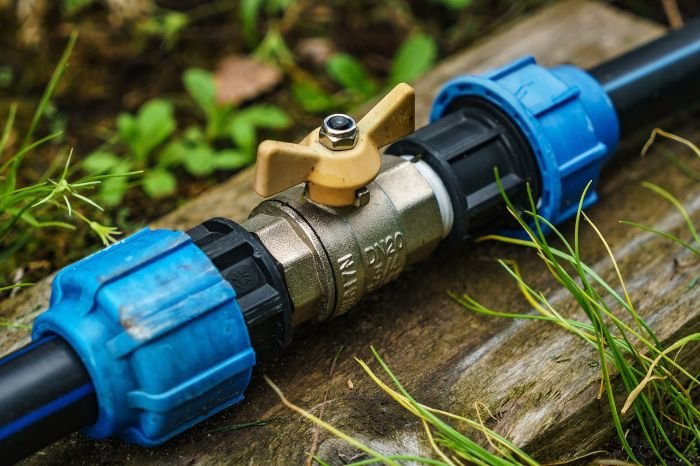
In conclusion, we have discussed various tips and tricks for effectively dealing with water damage. It is crucial to take immediate action when faced with water damage in order to minimize the extent of the damage and restore your property as quickly as possible.
Throughout this article, we have highlighted the importance of recognizing the signs of water damage and identifying the common culprits behind it. By being proactive and addressing these issues promptly, you can prevent further damage and costly repairs.
Remember, when it comes to water damage restoration, professional assistance is invaluable, especially for extensive damage. Their expertise and specialized tools can help expedite the restoration process and ensure thorough cleanup and drying.
By implementing the tips and tricks outlined in this article, you can confidently navigate the challenges of water damage and protect your property. Remember, time is of the essence, so take immediate action if you suspect any water damage in your home or property. By doing so, you can safeguard your investment and maintain a safe and healthy living environment.
Signs of water damage can include discolored walls or ceilings, musty smells, or warped flooring.
Common culprits behind water damage can include leaky pipes, roof issues, or natural disasters.
After discovering water damage, it is important to shut off the water source, turn off electricity, and assess the extent of the damage.
Yes, using fans, dehumidifiers, or professional drying equipment can help expedite the restoration process.
To prevent and address water damage during rainy days, it is important to take steps such as ensuring proper drainage, sealing windows and doors, and inspecting gutters regularly.
To protect your property against cold-weather water issues, it is important to insulate pipes, seal any cracks or gaps, and remove snow and ice buildup from your roof.


