
- 23/09/2025
- Category: Move In Out Service
- Author: Kristian Yordanov
- 72
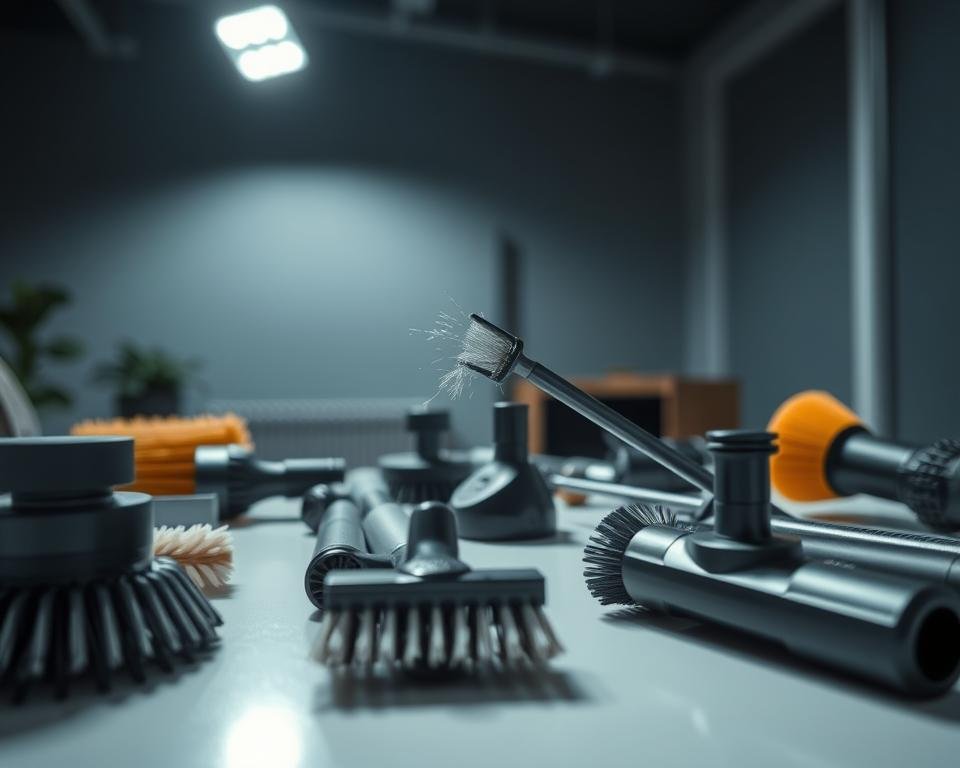
Ever thought about the hidden dirt and dust in your home or office? These spots are often missed by regular cleaning. They can be hotspots for allergens and grime, affecting our health and hygiene.
Using advanced cleaning methods for these areas is key. It helps keep our living or working spaces clean and healthy. The right cleaning tools make this task easier and improve cleanliness and efficiency.
Hard-to-reach areas play a big role in end of tenancy cleaning. They can hide a lot of dirt that’s not seen during regular cleaning. If these areas are not cleaned well, it can lead to disputes over deposits and the property’s condition.
Rental properties often have hidden dirt and dust in places like behind appliances and under furniture. This dirt makes the place look unclean and can affect how the property looks during inspections. It’s important to clean every corner well to avoid disputes over the deposit.
Not cleaning high-traffic areas can be bad for health. Kitchens and bathrooms can become full of bacteria and allergens. It’s important to clean these areas well to keep future tenants healthy.
Cleaning tight spaces has become easier thanks to new tools. These tools are designed to be efficient, easy to use, and effective. They help us clean even the hardest-to-reach areas well.
High-powered steam cleaners are key for deep cleaning. They remove dirt and germs effectively. The Vax ONEPWR Glide 2 Hard Floor Cleaner is a top choice, scoring 97 out of 100.
It has a large 0.75L capacity and weighs 5.4kg. It’s great for big jobs and has a 20-minute battery life.
Extendable and flexible brushes help reach high places like ceiling corners and windowsills. They let you adjust your cleaning reach. This makes cleaning tight spaces easier and more effective.
Robotic cleaners are changing how we clean tight spots, like under furniture and baseboards. The Shark Hydrovac Cordless Hard Floor Cleaner WD210UK is a great example. It’s priced at £210 and scores 96 out of 100 in tests.
It has a 0.5L water tank and weighs 3.95kg. It offers 25 minutes of battery life, making cleaning hard spots easier.
Electrostatic sprayers are great for disinfecting hard-to-reach areas. They use electrostatic technology to cover all surfaces, even in tight spots. These sprayers are perfect for keeping places clean and hygienic.
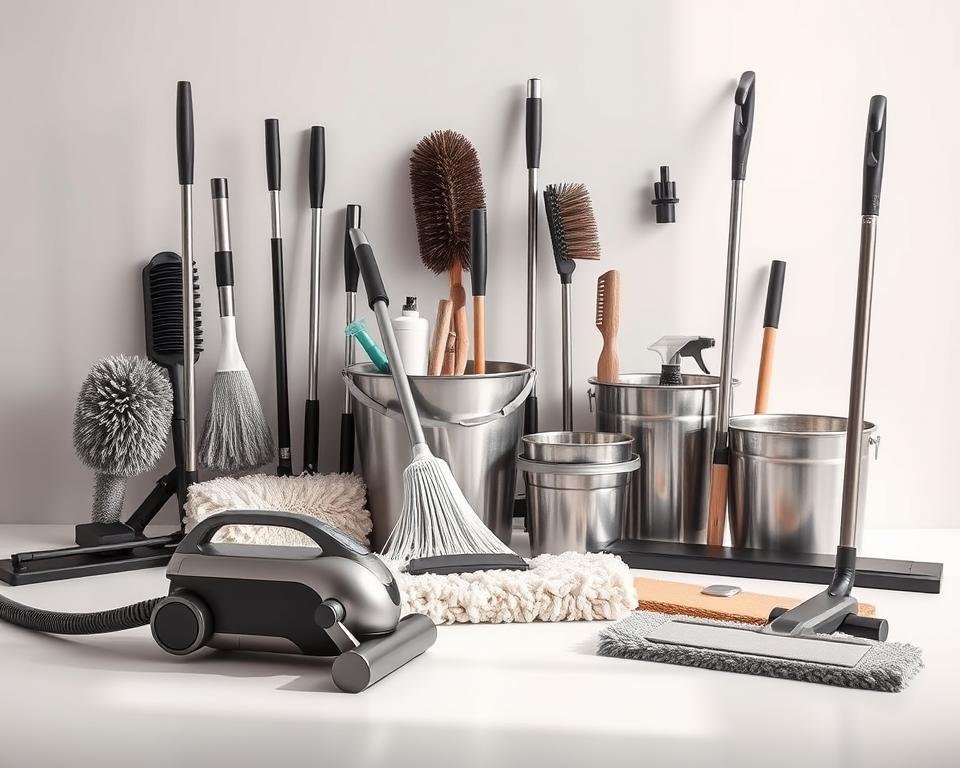
Cleaning your home goes beyond just the surfaces you can see. It includes special areas that need extra care. By focusing on these spots, you make your home cleaner and healthier.
It’s surprising how much dust and grime builds up behind and under appliances like fridges and ovens. Cleaning these areas regularly can cut down dust on coils by up to 50%. This boosts your appliances’ efficiency and extends their life.
Ceiling corners, fans, and light fixtures collect about 30% more dust and cobwebs than lower parts. These areas can affect air quality. They need special cleaning tools for thorough cleaning.
Window tracks, frames, and blinds can hold dust and allergens, affecting air quality. Regular cleaning in these spots prevents dust buildup. This makes your living space cleaner and healthier.
Skirting boards and narrow gaps attract debris and dust, leading to maintenance problems. About 40% of homes ignore these areas. Regular cleaning is key to preventing buildup.
Cleaning hard-to-reach areas needs the right tools and techniques. Using microfiber dusters is key for precision cleaning. They trap dust without spreading it around. Safe methods for reaching high and low spots are also important.
Professional cleaners use advanced methods. This ensures these tricky spots get the cleaning they need.
Microfiber dusters are great at catching dust. They fit into tight spots and are perfect for high surfaces. This way, they help keep the air clean, which is vital in small spaces.
Safe techniques are essential for cleaning high and low spots. Telescopic cleaning poles, like those in the SkyVac range, can reach up to 40 ft. This avoids the need for ladders and reduces fall risks.
Regular training on using these tools is important. It makes cleaning safer and more efficient, even when working in teams.
Professional cleaners use top-notch tools for a thorough clean. The SkyVac 150, for example, has a HEPA filter to catch dust in the air. Their skills and training mean every spot gets the attention it deserves.
This dedication to cleanliness gives property owners peace of mind. It shows that hard-to-reach areas are well taken care of.
Cleaning is changing fast, thanks to new technologies. We’re seeing big changes in how we clean hidden areas. This is because people now care more about staying clean and healthy.
Places like hospitals and hotels need to be very clean. This is because cleanliness is not just a want, but a must. Now, robots are helping us clean better and faster.
AI robots are changing how we clean. They use smart algorithms to get the job done right. These robots can adjust to different surfaces and conditions, making cleaning more effective.
Robotic vacuums are becoming more popular. They use sensors to find dirt and plan their cleaning. This means they use less resources but still keep things spotless.
Smart sensors are also making a big difference. They find dirt and allergens in places we can’t see. This helps us clean more efficiently and saves time.
With these new tools, cleaning is getting better and easier. We’re moving towards a future where keeping things clean is less of a hassle. This opens up a new chapter in keeping our spaces clean and healthy.
Advanced cleaning techniques use special methods and tools. They help remove dirt, dust, and grime from hard-to-reach spots. This is key for keeping places clean and healthy in homes and offices.
Cleaning hard-to-reach areas is vital during end of tenancy cleaning. Hidden dirt and dust can build up, leading to bond money deductions. These spots can also be unhealthy and affect the property’s cleanliness.
For cleaning tight spaces, use high-powered steam cleaners for deep cleaning. Extendable and flexible brushes help reach ceiling corners. Robotic cleaners and electrostatic sprayers are also great for thorough disinfection.
Use microfiber dusters for precise dust capture. Employ safe methods for reaching high and low spots, like ladders or extension poles. Consider hiring professional cleaners with advanced tools for a thorough clean.
Technology is changing cleaning with AI and robotics. Robotic cleaners do detailed cleaning tasks well. Smart sensors detect dirt and allergens, helping target cleaning efforts.


