
- 09/03/2024
- Category: Move In Out Service
- Author: Kris Foster
- 467
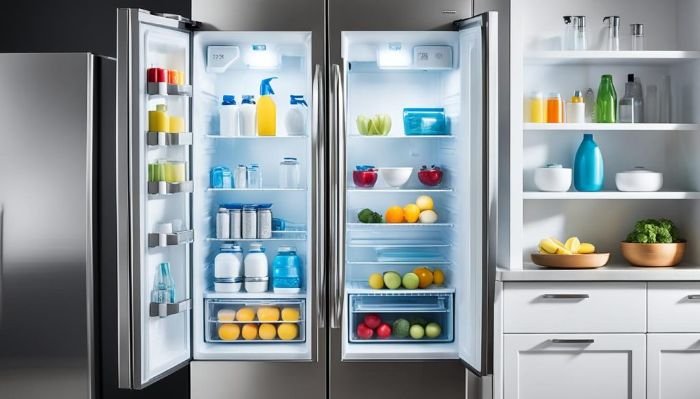
Moving out of a property requires thorough cleaning, especially when it comes to appliances. Cleaning appliances before moving out not only ensures a smooth transition for the next occupants but also helps you avoid fines or deductions from your security deposit. In this comprehensive guide, we will provide you with step-by-step instructions on how to deep clean key appliances and cover final touches to ensure every appliance shines and is ready for the next tenant.
Before diving into the deep cleaning process, it’s important to gather the necessary tools and supplies. Your essential cleaning kit should include items such as microfiber cloths, sponges, all-purpose cleaner, vinegar, baking soda, dish soap, gloves, and a vacuum cleaner. These items will help you effectively clean and sanitize your appliances.
Having the right cleaning supplies on hand ensures that you can tackle dirt, grime, and stains on your appliances with ease. Microfiber cloths and sponges are gentle yet effective in removing stubborn residue. All-purpose cleaner is versatile and can be used on various surfaces, while vinegar and baking soda are natural cleaning agents that work wonders on tough stains and odors.
Dish soap and gloves are essential for washing removable parts and protecting your hands during the cleaning process. Lastly, a vacuum cleaner equipped with appropriate attachments will help you remove dust and debris from hard-to-reach areas.
With your appliance cleaning kit ready, you’ll be well-prepared to tackle the deep cleaning process and restore your appliances to their pristine condition.
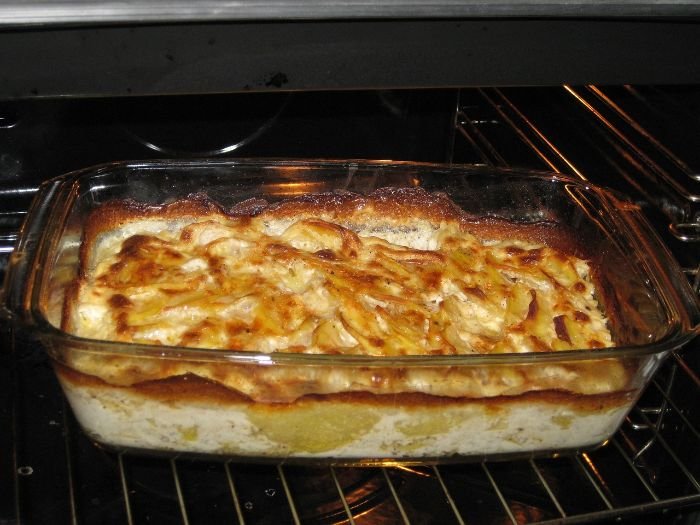
Cleaning your oven is essential to maintain its performance and ensure a safe cooking environment. Follow these steps to effectively tackle grease and grime:
Cleaning your refrigerator regularly helps maintain food freshness and creates a hygienic environment. Follow these steps to ensure your refrigerator stays clean:
Regularly cleaning your washing machine and dishwasher helps maintain their efficiency and keeps your laundry and dishes fresh. Follow these steps for proper cleaning:
Once you have deep cleaned your appliances, it’s important to cover the final steps to ensure they are ready for the next tenant. This section will provide guidance on cleaning the exterior surfaces of appliances, checking for damages, and conducting a thorough inspection to ensure everything is in proper working order before you move out.

After completing the deep cleaning process for each appliance, take the time to wipe down the exterior surfaces. Use a microfiber cloth and a non-abrasive cleaner to remove any dirt, fingerprints, or smudges. Pay attention to handles, control panels, and other areas that are frequently touched. Wipe gently to avoid scratching or damaging the surface.
As part of the move-out inspection, thoroughly inspect each appliance for any damages or malfunctions. Look for cracks, dents, loose knobs, or any signs of wear and tear. If you notice any issues, it’s crucial to address them before you leave the property. Document the damages and notify your landlord or property manager as soon as possible.
Before leaving the property, perform a final inspection of all the appliances. Test each one to ensure they are in proper working order. Check if the lights turn on, the doors close securely, and the appliances perform their intended functions. Take note of any issues or concerns that need to be addressed.
When it comes to move-out cleaning, ensuring that your appliances are thoroughly cleaned is essential. While cleaning appliances yourself can be effective, there are several advantages to hiring professional cleaning services.
One of the main benefits of professional cleaners is their expertise and experience in deep cleaning appliances. They have the knowledge and skills to tackle even the toughest stains and grime, leaving your appliances spotless. With their attention to detail and access to professional-grade cleaning products, professional cleaners can achieve results that may be challenging to replicate on your own.
Another advantage of hiring professionals is the time and effort you’ll save. Cleaning appliances can be time-consuming and physically demanding, especially if you have multiple appliances to clean. By entrusting the task to professionals, you can focus on other important aspects of your move-out process, such as packing and organizing.
Furthermore, opting for professional cleaning services can provide you with peace of mind. Moving out can be a stressful time, and knowing that your appliances are cleaned to a high standard by professionals can alleviate some of that stress. Additionally, professional cleaners often offer guarantees or warranties on their services, ensuring that you are satisfied with the results.
In conclusion, while cleaning appliances yourself can be a viable option, hiring professional cleaning services for move-out cleaning offers numerous benefits. From their expertise and efficiency to the time saved and peace of mind obtained, professional cleaners can ensure that your appliances are cleaned to a high standard, making the entire move-out process smoother and more convenient.
It is recommended to thoroughly clean your appliances before moving out to ensure a smooth transition for the next occupants.
You will need a microfiber cloth, sponges, all-purpose cleaner, vinegar, baking soda, dish soap, gloves, and a vacuum cleaner for effective cleaning and sanitizing of appliances.
Cleaning appliances before moving out ensures a smooth transition for the next occupants and helps you avoid fines or deductions from your security deposit.
The final touches and inspection section of this article will guide you on cleaning the exterior surfaces, checking for damages, and conducting a thorough inspection to ensure everything is in proper working order before you move out.
While cleaning appliances yourself can be effective, hiring professionals can ensure a more thorough and efficient cleaning process. The importance of professional cleaning services is discussed in the conclusion section of this article.


