
- 01/10/2025
- Category: Landlords
- Author: Kristian Yordanov
- 70
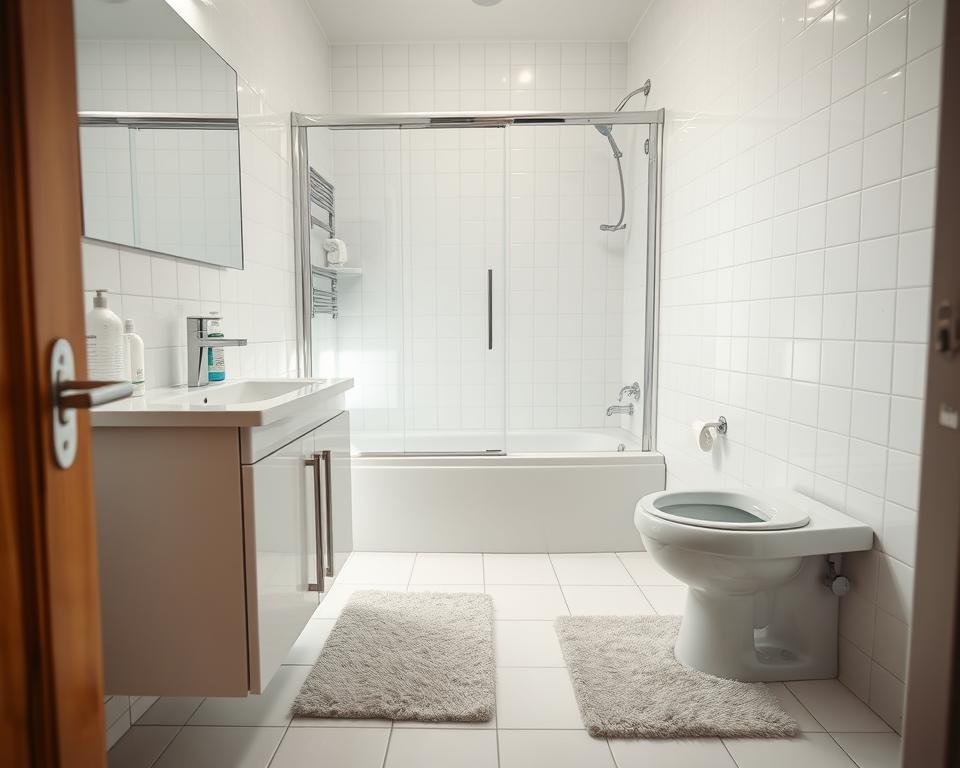
Ever pondered what landlords really look for in bathroom cleanliness at tenancy’s end? Grasping these standards can be the difference between a full deposit return and deductions. The bathroom is a key area in tenancy inspections, reflecting daily use and impacting the overall cleanliness assessment. This piece will outline the critical cleaning standards to make your end-of-tenancy cleaning less stressful.
Bathrooms are under intense scrutiny during tenancy inspections due to their frequent use and the risk of hygiene issues. These include mould risk and bacteria proliferation. Landlords enforce strict hygiene standards to ensure these areas meet cleanliness requirements. This effort not only addresses health concerns but also enhances the living environment for tenants.
The combination of moisture and warmth in bathrooms creates an ideal environment for mould and mildew. Regular inspections are crucial to identify and mitigate these risks. This prevents them from escalating and causing health issues for tenants. Adhering to hygiene standards is vital for a safe living space. Neglecting these can lead to costly repairs and damage the tenant-landlord relationship.
The condition of a bathroom can greatly affect the deposit return at the end of a tenancy. Landlords focus on cleanliness and maintenance, as neglect can result in deductions. To avoid deductions, tenants must maintain their bathroom’s appearance, ensuring it is free from dirt or damage. Regular cleaning and upkeep are key to securing a full deposit return.
Maintaining your bathroom’s cleanliness is key, focusing on shower cleaning, bath upkeep, and tiling hygiene. Landlords set high standards for these aspects, expecting tenants to maintain them impeccably. Regular care boosts the bathroom’s look and prevents damage over time.
Effective shower cleaning means removing limescale, soap scum, and grime. Tenants must focus on these, as they can stain tiles and harm bathroom fixtures. Neglecting grout can lead to expensive repairs and affect the property’s other areas.
Sealants around baths and showers prevent water damage. Clean, intact silicone edges maintain structure and improve bathroom appearance. Regular checks are crucial, ensuring mould and cracks are avoided. A thorough inspection and consistent upkeep can save both landlords and tenants from future headaches.
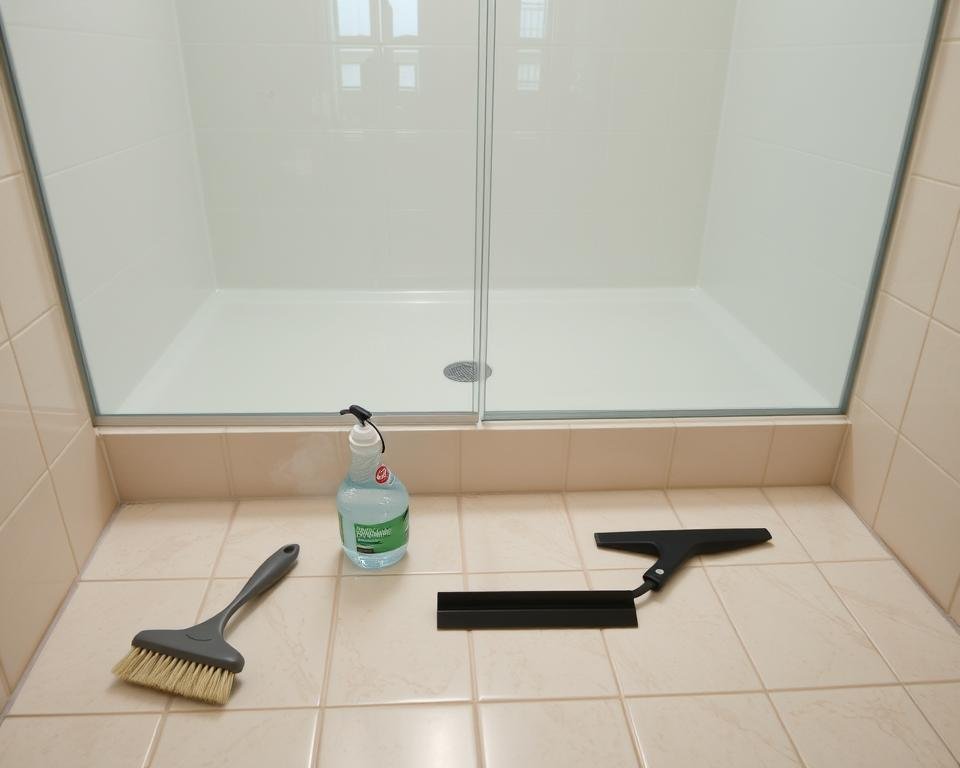
Maintaining high toilet cleaning standards is crucial for tenants to meet landlord expectations. A professionally cleaned toilet shows thoroughness in sanitation and hygiene. It ensures every part of the fixture is spotless and free from unpleasant odours. Knowing what a ‘professionally cleaned’ toilet entails can help tenants avoid issues during inspections.
Landlords expect a comprehensive cleaning approach when they mention professionally cleaned toilets. This includes disinfecting the bowl, lid, seat, and exterior surfaces. Effective cleaning solutions and proper scrubbing techniques are vital. They help eliminate all traces of prior use, showing a commitment to cleanliness.
Persistent odours and stains can result in significant deductions from deposits. Tenants must address all visible marks and neutralise any lingering smells. Adhering to toilet cleaning standards is essential. It shows care for the property and can impact deposit return positively.
Landlords expect high standards in sink cleaning, taps maintenance, and mirror polishing. Ensuring these areas meet expectations is key for a smooth tenancy inspection. A well-maintained bathroom shows good housekeeping and helps secure full deposit refunds.
Spot-free taps require diligent maintenance to remove limescale and water spots. They should shine brightly, enhancing the bathroom’s welcome. Mirrors must also be polished thoroughly. Any streaks or smudges can leave a negative impression during inspections.
Clear drains are essential for functionality and hygiene. Blocked drains indicate negligence, leading to poor landlord evaluations. Splash marks around sinks must be removed, presenting a clean surface. These details in sink cleaning show a commitment to rental standards.
Keeping flooring clean and walls in good condition is key to bathroom upkeep. Landlords expect high standards in these areas, which can affect inspection outcomes. Clean grout lines and dust-free corners show attention to detail and promote hygiene.
Clean grout lines improve the look of flooring and walls. Regular cleaning stops mildew and grime build-up, keeping things clean and looking good. Dust-free corners also boost the bathroom’s appearance. Ignoring these areas can lead to deductions from deposits during inspections.
Ventilation inspections are vital. Fans and extractor covers gather dust and grime. Keeping them clean ensures they work well and meet health standards. This maintenance helps with air circulation, making the bathroom feel fresher.
Cleaning oversights in bathrooms can lead to significant tenant deposit deductions. This is true for areas that often go unnoticed. Despite the focus on prominent surfaces, certain fixtures and spaces require just as much attention. This ensures a successful inspection.
Shower curtains frequently accumulate mould, making regular cleaning or replacement essential. Blinds are another area vulnerable to dust and grime build-up, which landlords may scrutinise. Light fixtures can also trap dirt, reducing their effectiveness. Thoroughly cleaning these components ensures they meet hygiene standards. This prevents unexpected deductions from the tenant’s deposit.
Skirting boards often hide layers of dust that contribute to an unkempt appearance. Areas behind radiators are notorious for collecting dirt, which might escape a routine clean. Ignoring these spots can result in costly cleaning oversights, as landlords prioritise these sectors during their assessments. By addressing these commonly overlooked areas, tenants can protect their deposits and maintain a high standard of living conditions.
Meeting the cleaning expectations of landlords can be a significant challenge, often requiring more than just DIY cleaning standards. Tenants might underestimate the depth needed for a professional clean. This oversight can lead to missed areas and improper cleaning product usage, which are critical for maintaining hygiene and avoiding deposit deductions.
Many tenants believe a quick clean is enough, but landlords demand a level of detail that’s hard to achieve without the right tools and expertise. A superficial clean might overlook essential spots like taps and behind toilets, areas that professional cleaners focus on. This discrepancy can result in disputes over deposit deductions, causing undue stress for tenants who thought they had done their job.
Choosing professional cleaning services ensures a thorough clean and brings peace of mind. These experts have the experience to make a bathroom spotless, meeting and often surpassing landlord standards. Tenants save time and avoid the stress of potential deposit disputes, making professional cleaning a smart and efficient choice for securing financial returns at tenancy’s end.
Landlords expect the bathroom to be free from limescale, soap scum, and grime. Showers, baths, sinks, and toilet areas must be disinfected. All surfaces should be immaculate to avoid deductions from your deposit.
A dirty bathroom can result in significant deductions from your deposit. Landlords conduct inspections. Any visible grime or neglected areas can lead to a reduction in the amount returned to you.
Bathrooms are scrutinised due to their high usage and hygiene risks. They are prone to mould and bacteria. A clean bathroom is essential for health standards and property maintenance.
‘Professionally cleaned’ means every surface, including the toilet bowl, lid, seat, and exterior, is thoroughly disinfected. It must be free from stains and odours, meeting high cleanliness standards expected by landlords.
Ensure your sink and taps are spot-free and limescale-free. Mirrors should be polished to remove smudges. This attention to detail is crucial for passing inspections and securing your deposit.
Commonly forgotten tasks include cleaning shower curtains, blinds, and light fixtures. It’s also important to ensure skirting boards and the areas behind radiators are dust-free. Neglecting these areas can lead to costly deposit deductions.


